
The popular advice is to make every low calorie smoothie do everything at once. That approach usually produces a thin drink that's too light for recovery, too sweet for appetite control, or too caffeinated for a late session. A better method is to match the smoothie to the training day and the job it needs to perform.
This collection separates eight options by protein density, carbohydrate timing, satiety, caffeine use, collagen positioning, texture, and preparation demands. You'll find a green recovery drink, berry training fuel, collagen-focused options, appetite-management blends, a casein-based smoothie, and coffee or matcha routines for busy mornings. Each recipe starts with calories and macros, then covers ingredients, best-use context, trade-offs, preparation, and how a coach or fitness app can apply it.
Calories vary sharply with serving size and formulation. A Cornell fruit smoothie analysis listed 210 calories for a half-recipe serving, while other historical entries range from 162 calories per cup to 292 calories per cup, showing why portion and ingredient logging matter (Alberta Health Services fruit smoothie analysis). For broader weight-management habits, pair a suitable smoothie with a structured guide to healthy weight loss.
If you want a broader primer on building balanced smoothies, the Harvard T.H. Chan School of Public Health overview on smoothies is a useful starting point.
The article closes with a Summary of 70 to 110 words and a Frequently Asked Questions section with answered reader questions.
Table of Contents
- 1. Green Protein Power Smoothie
- 2. Berry Antioxidant Metabolism Smoothie
- 3. Vanilla Cinnamon Collagen Protein Smoothie
- 4. Tropical Fat-Loss Metabolism Smoothie
- 5. Chocolate PB Satiety Smoothie
- 6. Matcha Energized Metabolism Smoothie
- 7. Cottage Cheese Protein Smoothie
- 8. Coffee Collagen Cold Brew Smoothie
- 8 Low-Calorie Smoothie Comparison
- Build a Rotation That Supports Adherence
- Frequently Asked Questions
1. Green Protein Power Smoothie
At 120 calories, this is the most practical choice when protein matters more than carbohydrate loading. Use spinach, Greek yogurt, plant-based protein powder, ice, and a controlled portion of frozen banana. The combination keeps the drink compact while giving it a thicker, more breakfast-like texture than a fruit-and-liquid blend.
The best application is post-workout recovery or a pre-logged breakfast for a busy professional. A client finishing an early workout can blend it within the first part of the morning instead of improvising with a pastry or skipping food. It also fits a calorie-deficit phase when the athlete wants to retain a familiar protein routine without turning a drink into a large meal.
Practical rule: Keep the protein powder unflavored if this smoothie needs to rotate through several meal plans. The same base can take on different flavors without changing the preparation system.
Freeze spinach with water in ice cube trays. That creates consistent portions and improves texture without relying on a large handful of fresh leaves that may vary from day to day. Prepare frozen banana slices once a week and store them in labeled bags, especially when a coach wants clients to reproduce the same recipe during photo or barcode logging.
Ground flaxseed can be added as a separately logged option. The planned serving keeps the smoothie at no more than 130 calories with that addition. Coaches can photograph the prepared drink inside a fitness app, giving clients a visual reference for volume, color, and texture. The app record matters because branded protein powders and yogurt can change the final calculation. For a broader overview of protein quality and daily intake planning, see the Cleveland Clinic guide to how much protein you need.
2. Berry Antioxidant Metabolism Smoothie
This 95-calorie berry blend has a different job. It's a light, whole-food option for a pre-workout prompt or a mid-morning snack when a client needs fluid and carbohydrate without a heavy dairy or protein-powder base. Frozen berries, coconut water, and a small sweetness adjustment create a bright texture that's easy to drink before movement.
Use it around a morning run or during a high-volume training week when the priority is accessible carbohydrate and hydration. It isn't the right recovery drink by itself because it doesn't prioritize protein. That limitation is useful, not a flaw. A coach can assign it before training and place a separate protein-containing meal after the session.
Frozen berries are convenient for adherence because the bag stays ready for use. Portion weekly freezer bags during a quiet preparation block instead of measuring fruit while rushing to a meeting. Coconut water can also be frozen into ice cubes, which reduces preparation work and keeps the smoothie cold without diluting it immediately.
- Sweetness adjustment: Replace honey with a quarter banana if the client prefers a fruit-based option, then log the actual ingredients rather than assuming the swap is calorie-free.
- Texture control: Stir or shake the finished smoothie for about 30 seconds so the blended fiber stays distributed.
- Coaching application: Ask clients to photo-log the berry drink during a carbohydrate-focused training phase, so the coach can distinguish planned fueling from untracked snacking.
The survey evidence is useful for positioning. In an Australian adult survey, 84% of respondents perceived smoothies as nutritious, while frequent consumers commonly connected them with fruit and vegetable intake, nutrient intake, and being healthy (Flinders University smoothie attitudes survey). That makes nutrient cues more persuasive than calling a drink merely “light.” For readers who want practical fruit intake guidance, the CDC page on how much fruit you need each day adds useful context.
3. Vanilla Cinnamon Collagen Protein Smoothie
This 110-calorie smoothie is for clients who want a structured snack with a collagen routine, not a complete high-protein meal. Blend collagen peptides with cold liquid first, then add vanilla, cinnamon, ice, and the remaining ingredients. Giving the collagen about 30 seconds to disperse before the full blend reduces clumping and makes the drink easier to repeat.
Its strongest use is post-workout or between training sessions, particularly for someone who already has a protein-rich meal elsewhere in the day. The vanilla-cinnamon profile helps mask a neutral collagen taste, while the spice gives the drink a more deliberate flavor than plain water and powder.
Collagen shouldn't be treated as interchangeable with every complete protein source. The fitness decision here is routine and positioning. A client in a shoulder-focused program may pair the drink with form coaching, mobility work, and an established eating plan rather than using it as the sole recovery nutrition.
Joint-focused nutrition works best when it supports a broader training plan. The smoothie can make the routine easier to follow, but it can't replace progressive exercise or technique work.
Batch the collagen and cinnamon into small containers. That removes a decision from busy mornings and makes coaching prescriptions easier to follow. A coach can attach a short form-review clip in the app, then place the smoothie beside the movement assignment as part of a repeatable post-session routine. Cinnamon should be adjusted gradually for taste, since a flavor clients dislike will undermine compliance regardless of its nutrition profile. If you want a general backgrounder on collagen supplements, the Johns Hopkins Medicine overview of collagen is a helpful reference.
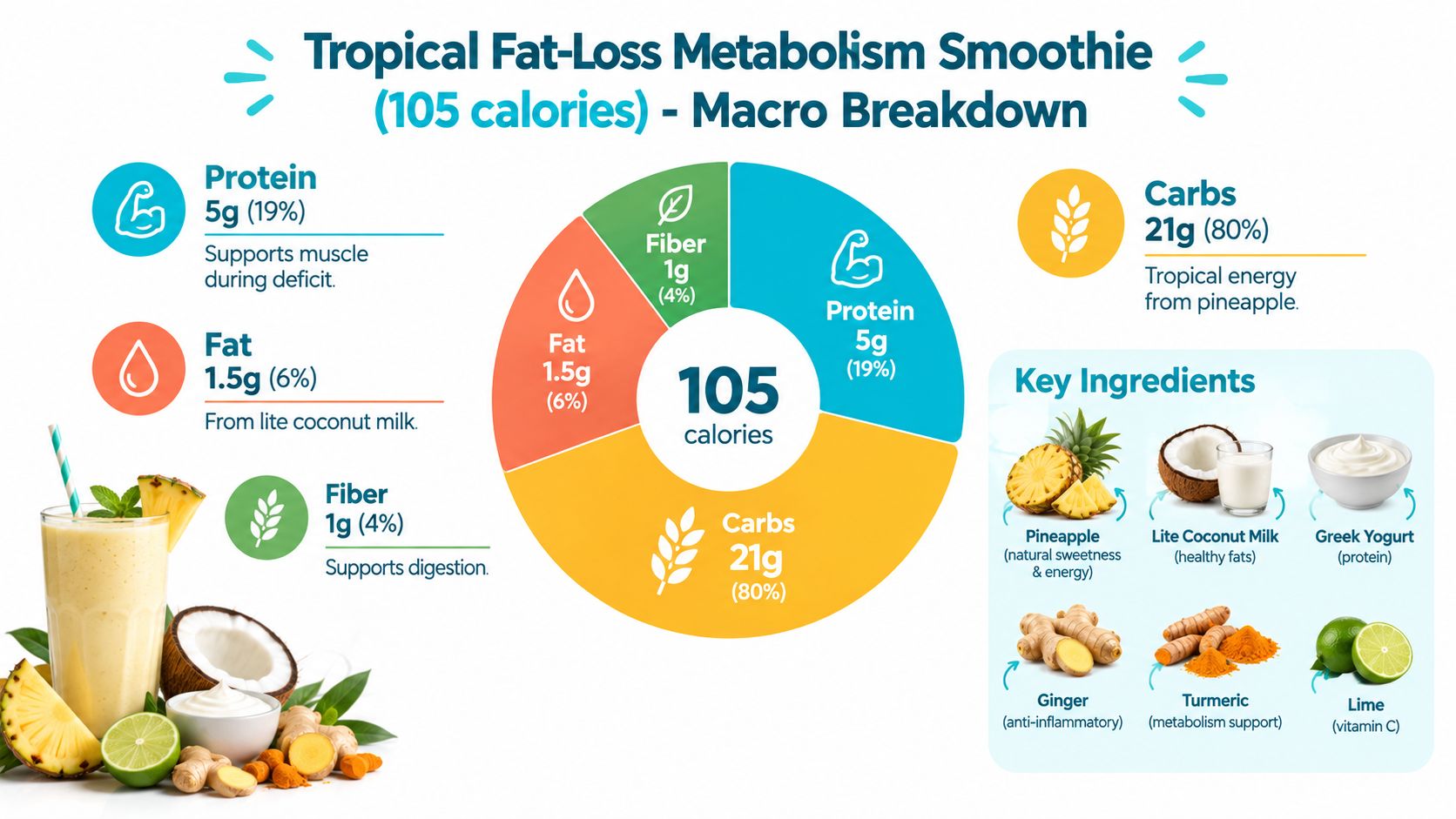
4. Tropical Fat-Loss Metabolism Smoothie
The 105-calorie pineapple and ginger blend belongs before a meal, not after a hard training session. Its practical role is appetite management during a calorie deficit. Schedule it 60 to 90 minutes before lunch when a client tends to arrive at the meal overly hungry, or use it in the afternoon when evening snacking is the recurring problem.
Fresh pineapple, ginger, ice, and a suitable liquid create a bright drink that feels more indulgent than its calorie budget suggests. The trade-off is that this is not a high-protein recovery option. It works when the main meal still supplies the protein and fiber the smoothie lacks.
Start ginger at a quarter teaspoon for clients who aren't accustomed to its intensity. Fresh ginger is usually the better flavor choice, while older ground ginger may taste flat. Prepare pineapple portions weekly and refrigerate them for quick blending. The recipe should be evaluated by whether it prevents chaotic eating later, not by whether it sounds like a “fat-burning” product.
- Before lunch: Use the scheduled window so the drink overlaps with the client's typical hunger period.
- During a deficit: Keep the main meal intact instead of treating the smoothie as permission to eliminate lunch.
- For coaching: Track photo logs as an adherence marker, but don't claim that consistent consumption alone causes successful fat loss.
Sugar deserves attention even when the fruit is natural. WHO recommends keeping free sugars below 10% of total energy intake, with a further reduction below 5% offering additional health benefits (WHO guideline on sugars intake). WHO's definition includes sugar from fruit juice and fruit concentrates, so a juice-heavy tropical smoothie can carry a different sugar implication from one made with whole fruit and water (European Patients' Forum sugar position document). For appetite and portion strategies outside smoothies, the NHS weight loss plan is another practical external resource.
5. Chocolate PB Satiety Smoothie
At 130 calories, this is the planned snack for people who want a dessert-like taste without leaving the day unstructured. Use chocolate protein powder, natural peanut butter, frozen banana, cocoa, and a suitable liquid. The peanut butter improves creaminess and flavor, but its fat content means this smoothie is better between meals or in the evening than immediately before training.
A client who routinely snacks at night can place it on the meal plan as an evening compliance drink. Another client might use it in the afternoon and leave a deliberate gap before dinner. The drink isn't a substitute for a full meal, and its low calorie count shouldn't be mistaken for a guarantee of fullness. Satiety depends on the whole day, eating speed, and what the client expects the drink to do.
Measure one tablespoon of peanut butter instead of pouring directly from the jar. That's the easiest way to prevent calorie creep. Choose a chocolate protein powder with less than 1 g of added sugar per scoop, and log the exact product in the app.
The best “comfort” smoothie is the one that prevents an unplanned eating episode without turning into an unmeasured dessert.
Prepare banana slices in portion-controlled freezer bags. Coaches can recommend the drink as a structured option during stressful weeks, but the language should stay practical. It's a tool for routine and flavor variety, not a treatment for emotional eating. The supplied recipe examples show why the distinction matters. Published low-calorie smoothies can range from 99 calories to 280 calories, while sugar can range from 15 g to 52 g depending on ingredients (low-calorie smoothie recipe examples). For another evidence-based look at fullness and food choices, the British Nutrition Foundation overview of satiety is worth reviewing.
6. Matcha Energized Metabolism Smoothie
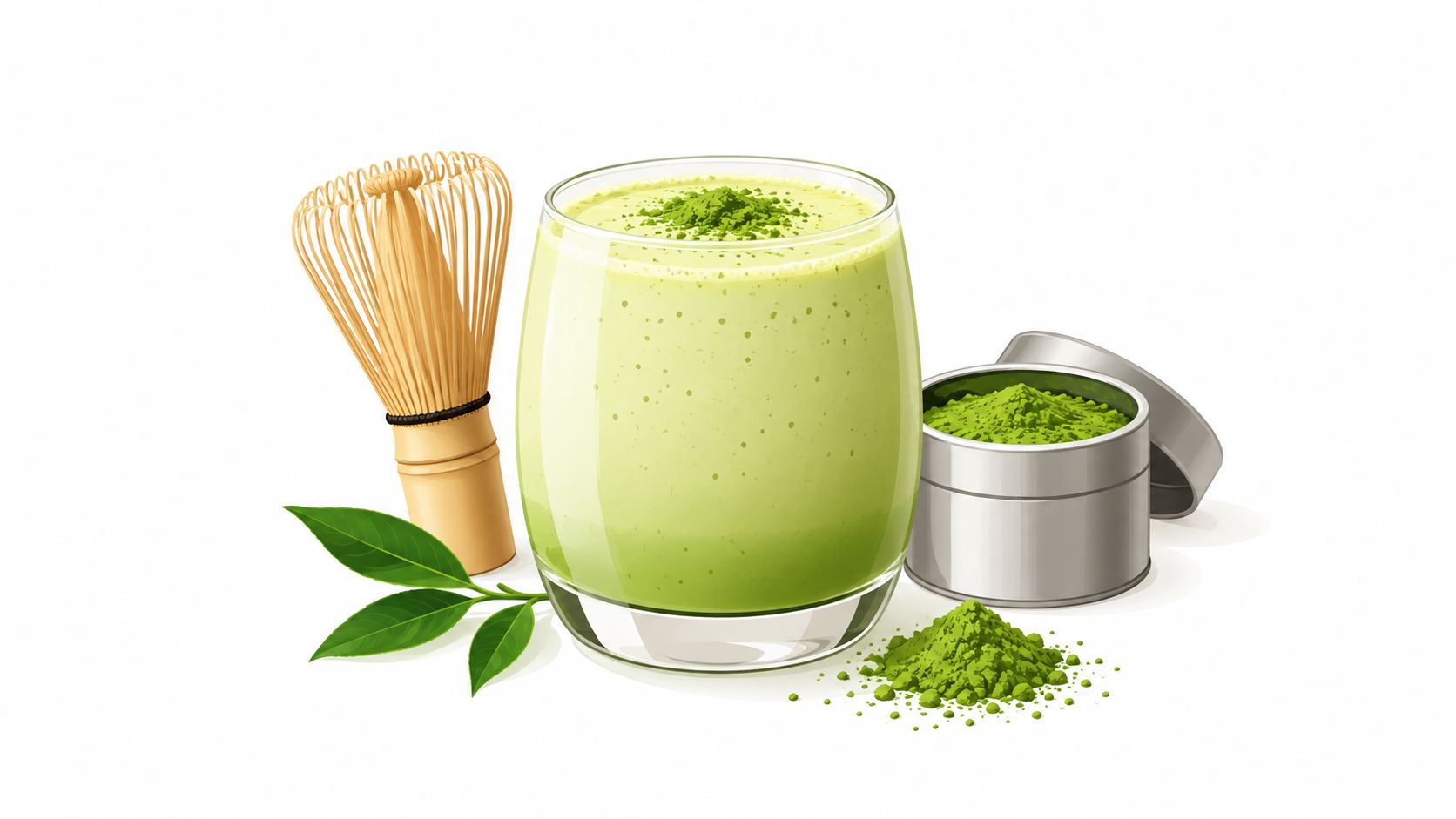
The 88-calorie matcha smoothie is a clean-energy choice for early training, provided caffeine fits the client's routine. Dissolve matcha in 2 tablespoons of warm water before adding cold milk, ice, and the remaining ingredients. That small step prevents bitter clumps and improves the likelihood that clients will keep using it.
Schedule it 45 to 60 minutes before training when mental alertness is the main need. It can also replace a morning coffee ritual for a professional who wants a drink at 6 a.m. before a later session. The recipe is intentionally light, so it may need an additional carbohydrate source for longer training. The plan uses 15 g of carbohydrate from half a banana when the session lasts beyond an hour.
The main trade-off is stimulant tolerance. Matcha isn't automatically better than coffee for every athlete, and a person managing sleep quality should monitor the entire day's caffeine pattern. Culinary-grade matcha may taste bitter enough to damage adherence, so choose a palatable product and let the client's actual repeat rate guide the decision.
- For a morning ritual: Prepare the matcha base before adding ice so the powder disperses.
- For longer sessions: Add the planned half banana and log it separately.
- For coaching: Compare matcha days with workout notes in the app, focusing on perceived energy and session completion rather than promising a metabolic effect.
For a version without banana, use this no banana matcha smoothie recipe. It can suit clients who prefer a lighter texture or who are already meeting carbohydrate needs elsewhere. If caffeine timing is a concern, the Sleep Foundation guide to caffeine and sleep gives readers a practical way to think about cutoff times.
7. Cottage Cheese Protein Smoothie
This 120-calorie smoothie is the texture experiment that often separates curious clients from committed ones. Cottage cheese supplies a creamy base and a slower-digesting casein profile, making it suitable for a breakfast replacement, a pre-bed snack, or a night-shift worker's post-workout meal. It's more substantial than a clear fruit drink, but it still needs to fit the rest of the day's protein and calorie plan.
Blend the cottage cheese on high speed for 90 seconds with frozen banana, liquid, and flavoring. Frozen banana matters because thickness changes how satisfying the drink feels, even when the ingredient list stays the same. Clients worried about curds should watch a coach demonstrate the process rather than trying a lumpy version and rejecting the recipe.
This is a better option for sustained protein than for quick pre-training carbohydrate. A client drinking it before a session should allow enough time for digestion, especially if dairy is unfamiliar. The planned base can also take one tablespoon of natural almond butter, bringing the recipe to approximately 160 calories, for clients with more room in their budget.
Texture is a compliance variable. If the client dislikes cottage cheese in its original form, blending it thoroughly can make the protein routine workable without requiring a completely different meal.
Choose a lower-fat cottage cheese with a protein-forward label, then log the brand accurately. The nutrition education literature describes nutrient-dense smoothies that commonly sit around 200 to 240 calories, with 18 g protein and 2 to 4 g fiber, which illustrates the trade-off between staying very low calorie and building a more complete meal (nutrition education study). This recipe is best assigned with that distinction in mind. It can support a meal plan, but it shouldn't automatically be called a complete meal. For additional background on dairy protein and casein, the Mayo Clinic guide to protein basics is a straightforward external reference.
8. Coffee Collagen Cold Brew Smoothie
The 100-calorie cold-brew smoothie solves a preparation problem. It combines a morning coffee ritual with collagen in one drink, which can make a pre-workout routine easier for minimalist athletes and early-shift workers. Use cold brew, collagen, a measured milk portion, and ice.
The target window is 30 to 45 minutes before training. A client who usually drinks coffee at 5 a.m. and trains shortly afterward can blend the drink in about 2 minutes after the cold brew is prepared. The caffeine decision still belongs to the individual. Someone sensitive to coffee may prefer the matcha recipe or a non-caffeinated option.
Make cold brew in bulk with 1 cup of coarse coffee grounds and 4 cups of water, refrigerate it for 24 hours, strain it, and divide it into daily containers. Use quality beans because concentration can emphasize bitterness. Mix collagen into the cold coffee for 30 seconds before adding milk and ice to reduce clumping.
The main advantage is consolidation, not magic. It turns two routines into one and gives coaches a simple line item to place in a morning meal plan. If coffee is already a staple, integrating the smoothie may be more realistic than asking the client to adopt a separate recovery ritual. For blend ideas that combine coffee and protein, see this coffee protein blend guide. Readers who want a simple caffeine reference can also review the FDA guidance on caffeine.
8 Low-Calorie Smoothie Comparison
| Recipe | 🔄 Implementation complexity | ⚡ Resource requirements | ⭐ Expected outcomes | 📊 Key advantages | 💡 Ideal use cases |
|---|---|---|---|---|---|
| Green Protein Power Smoothie (120 cal) | Low, quick blend, <3 min | Moderate, plant protein powder, fresh spinach, blender | ⭐⭐⭐⭐, 22g protein; muscle recovery, low calories | High protein-to-calorie ratio; app-friendly tracking | Post-workout (≤30 min) or protein-forward breakfast during deficit |
| Berry Antioxidant Metabolism Smoothie (95 cal) | Low, simple blend, no supplements | Low, frozen berries, coconut water, minimal dairy | ⭐⭐⭐, 4g protein; carb-based pre-workout energy, anti-inflammatory | Electrolyte hydration and anthocyanin anti-inflammatory support; simple for sensitivities | Pre-workout (30-45 min) or mid-morning snack |
| Vanilla Cinnamon Collagen Protein Smoothie (110 cal) | Low- Medium, mix collagen carefully to avoid clumps | Moderate, collagen peptides, almond milk, cinnamon | ⭐⭐⭐⭐, 14g collagen protein; joint recovery, blood-sugar stability | Targets joint recovery and low-carb phases; satiety with pleasant flavor | Post-workout or between sessions for joint/age-focused clients |
| Tropical Fat-Loss Metabolism Smoothie (105 cal) | Medium, fresh ginger/turmeric prep; consume fresh | Moderate, pineapple (fresh/frozen), ginger, turmeric | ⭐⭐⭐, 5g protein; modest thermogenic and appetite control effects | Bromelain + ginger for digestion/thermogenesis; dessert-like compliance | 60-90 min before lunch to extend satiety during deficit |
| Chocolate PB Satiety Smoothie (130 cal) | Low, standard blending | Moderate, peanut butter, chocolate protein powder | ⭐⭐⭐⭐⭐, 25g protein; strongest satiety signal among options | Highest satiety; dessert experience that improves adherence | Mid-to-late afternoon or evening snack to prevent late-night eating |
| Matcha Energized Metabolism Smoothie (88 cal) | Low- Medium, matcha prep technique (whisk/dissolve) | Low, ceremonial-grade matcha recommended, blender | ⭐⭐⭐⭐, 4g protein; clean sustained energy, fat-oxidation support | Calm focus (L-theanine) and EGCG for fat oxidation; low calories | 45-60 min pre-workout or morning coffee replacement |
| Cottage Cheese Protein Smoothie (120 cal) | Medium, high-speed blending to smooth texture | Low, cottage cheese, frozen banana; cost-effective | ⭐⭐⭐⭐, 18g protein; slow-digesting casein for prolonged satiety | Sustained amino-acid release overnight; budget-friendly alternative to powders | Breakfast replacement or pre-bed snack for overnight muscle support |
| Coffee Collagen Cold Brew Smoothie (100 cal) | Medium, cold-brew prep or concentrate needed | Moderate, cold-brew coffee, collagen peptides | ⭐⭐⭐, 12g protein; combined energy + joint support | Stacks morning caffeine and recovery into one ritual; habit consolidation | 30-45 min pre-workout or morning ritual replacing regular coffee |
Build a Rotation That Supports Adherence
A useful rotation starts with the situation, not the flavor. Choose the Green Protein Power Smoothie for compact post-workout protein or a pre-logged breakfast. Use the Berry Antioxidant Metabolism Smoothie when carbohydrate and hydration make more sense before training. The Tropical Fat-Loss Metabolism Smoothie belongs before a predictable hunger window, while the Chocolate PB Satiety Smoothie is better for an afternoon or evening craving pattern.
The remaining four options solve different problems. The Cottage Cheese Protein Smoothie supports a slower protein routine at breakfast, before bed, or after a night shift. The two collagen drinks suit clients who want a repeatable collagen-focused habit, with the vanilla-cinnamon version working as a post-workout or between-session snack and the coffee version consolidating morning coffee with pre-training preparation. The Matcha Energized Metabolism Smoothie offers a lighter caffeinated ritual for morning alertness.
A low calorie smoothie works only when its role is honest. A fruit-based drink may be useful training fuel but weak as recovery nutrition. A collagen drink may fit a joint-focused routine but shouldn't be treated as a complete protein meal. A 120-calorie recipe can be convenient, but the rest of the day still needs to cover the client's broader protein, fiber, carbohydrate, and energy requirements.
Build adherence into preparation:
- Pre-portion frozen ingredients: Label banana, spinach, berries, and pineapple bags so clients don't have to estimate while rushed.
- Log branded ingredients: Protein powder, yogurt, cottage cheese, milk, and nut butter can shift the final calories and macros.
- Match timing to the job: Use carbohydrate-forward blends before relevant sessions, protein-centered options after training, and satiety drinks between meals.
- Rotate texture and flavor: A client may repeat a green yogurt base, a thick cottage cheese blend, or a cold-brew drink depending on personal preference.
- Use app records intelligently: Photo and barcode nutrition tools can help assess a smoothie as a meal item, while coaches can review preparation consistency and timing.
A routine-use strategy is more credible than presenting smoothies as occasional treats. Regular fruit and vegetable smoothie consumption has been associated with healthier nutritional and sustainability practices in an adult cohort study, supporting the value of repeatable, transparent formulations (adult smoothie consumption cohort). Consumers also distinguish nutritious smoothies from indulgent ones, so nutrient density, portion clarity, and satiety context should appear together in the meal plan.
Summary
A low calorie smoothie should match the training job it performs. Protein-focused blends support recovery or sustained intake, berry and banana options can suit training fuel, and pineapple or chocolate peanut butter versions can fit appetite-management routines. Matcha and cold brew add caffeinated morning options, while collagen drinks support structured routines and cottage cheese adds a thicker casein-based choice. Preparation consistency matters, so pre-portion frozen ingredients, measure calorie-dense add-ins, log branded products, and choose recipes clients will repeat.
Frequently Asked Questions
Is every low calorie smoothie suitable as a meal replacement?
No. A very light smoothie may work as a snack, pre-workout drink, or appetite-management tool without supplying enough protein or fiber for a complete meal. The cottage cheese and green protein options are more suitable when protein is the priority, but the full day still needs to cover broader nutrition needs. Treat the calorie number as one planning detail, not proof that the drink is nutritionally complete.
Which smoothie is best before a workout?
Choose according to the session. The berry smoothie is a light carbohydrate and hydration option, while the matcha smoothie suits morning alertness. The coffee collagen smoothie fits a short morning preparation routine. The cottage cheese and peanut butter options are heavier choices and may need more digestion time, so they're better placed away from immediate pre-training when fat or dairy causes discomfort.
Can a smoothie be low calorie and still filling?
It can provide useful fullness, but low calorie doesn't guarantee satiety. Texture, protein, fiber, meal timing, and the rest of the day all matter. The cottage cheese smoothie uses a thicker blended texture and casein-based protein, while the peanut butter option uses a measured fat and protein combination. Fruit-only or berry-forward drinks may be better suited to training fuel than appetite control.
Should I use juice in a low calorie smoothie?
Use juice carefully. WHO includes sugars naturally present in fruit juice and fruit concentrates within its guidance on free sugars. A smoothie made with whole fruit and water has a different formulation from one built around juice. If juice appears in the recipe, log it and consider whether the drink's purpose is carbohydrate fueling, hydration, or a snack rather than assuming “natural” means unlimited.
How can I stop smoothie ingredients from clumping?
Mix powders with liquid before adding the remaining ingredients. For collagen, stir it into cold liquid first for about 30 seconds. For matcha, dissolve it in 2 tablespoons of warm water before adding cold milk and ice. Cottage cheese needs high-speed blending for about 90 seconds to create a smoother texture. These small preparation steps improve repeatability and reduce texture-related drop-off.
How should I track smoothie calories accurately?
Log the exact brands and measured portions, especially for protein powder, yogurt, milk, cottage cheese, peanut butter, almond butter, and frozen fruit. Photo and barcode nutrition tools can help assess a smoothie as a meal item, but the record is only as accurate as the ingredients entered. Coaches can also use preparation photos to compare the client's actual serving with the planned version.
ThriveXDNA connects fitness planning with AI workouts, nutrition tracking, meal plans, and coach-led workflows that can make smoothie timing easier to manage. Visit ThriveXDNA to explore tools for logging meals, organizing training nutrition, and building routines clients can repeat.
Related guides
- a closer look at How Much Protein Do You Actually Need?
- 1800 Calorie High Protein Diet Plan Made Simple
- details: High-Protein Meal Prep for Weight Loss That Keeps You Full
- High Protein Snacks for When You’re Doing Everything Right
- a closer look at High Protein Breakfast: The Real Fix for Your 2 PM
- Protein Powder Without Artificial Sweetener: A Buyer’s Guide
- more on Lumen vs Levels 2026: Breath vs Glucose Tracking
- more on How to Lose Belly Fat: What Actually Works
- Best Wearable Tech for AI Fitness Tracking in 2026: 9 Devices That
- Best AI Nutrition Apps for Weight Loss
- explore the Thrive X Fitness app