
Last reviewed: June 2026
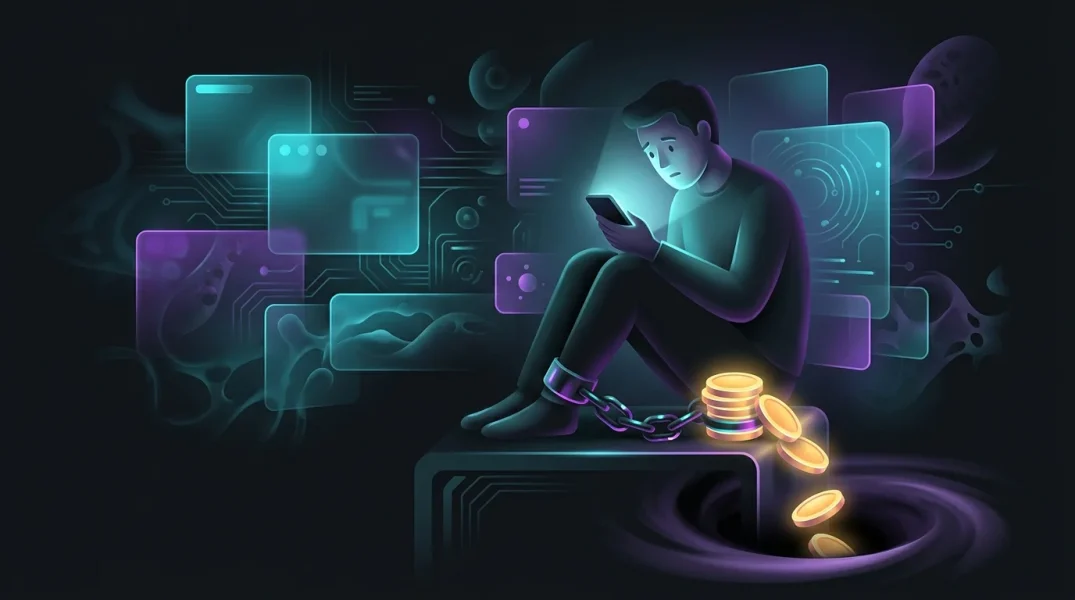
You feel a knot in your stomach every time a credit-card bill arrives. The anxiety pushes you to skip a doctor’s appointment, costing you health and time.
When stress drives poor money choices, you lose dollars and peace of mind. A single missed payment can add $35 in fees and raise your interest rate by 2 %.
This post shows you, step by step, how to spot mental-health triggers, use proven finance habits, and protect both your wallet and wellbeing.
This article provides educational information only and does not constitute financial or legal advice.
Key Takeaways
- Identify three common stress signals that lead to overspending
- Set up a simple “mental-money buffer” using a $500 emergency stash.
- Use a 48-hour pause rule to stop impulse purchases over $50.
- Choose a budgeting app that offers mood-tracking integration.
- Talk to a licensed therapist or financial counselor before debt-relief decisions.
- Review and adjust your plan quarterly to keep stress and debt low.
Understand the Link Between Mood and Money
For a vetted, regularly updated list of tools that can help, explore our AI finance tools directory.
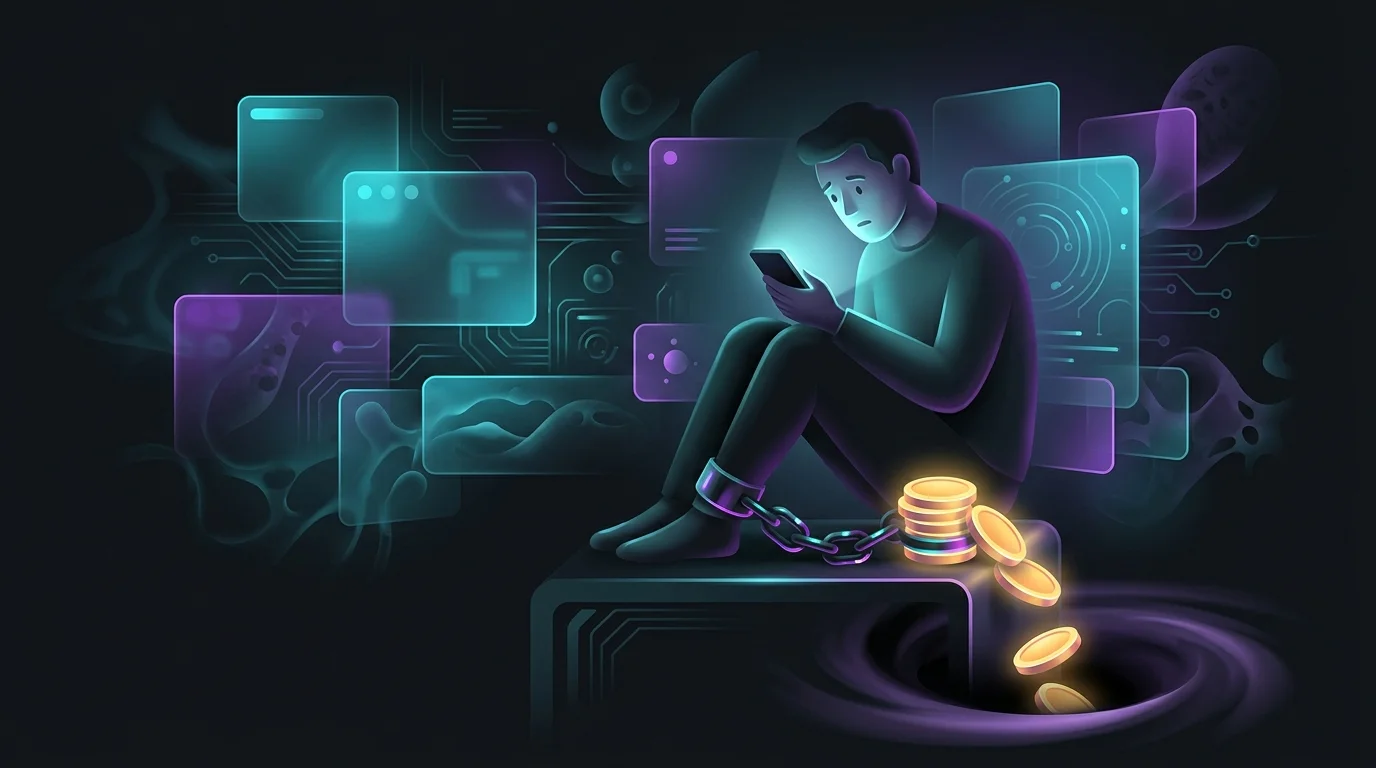
Your brain treats a sudden expense like a threat. Cortisol spikes, and the prefrontal cortex.responsible for self-control.quiets down. The result is a quick, emotional purchase that feels relieving but hurts later.
Research shows people with untreated anxiety spend up to 12 % more on non-essential items. A single $200 impulse can trigger a chain of missed payments, adding $30 in late fees each month.
Recognizing the pattern stops the cycle before it starts.
The three mental triggers that spark spending
- Fear of missing out: scrolling social feeds and seeing friends travel.
- Stress relief: buying coffee, gaming, or shopping after a tough day.
- Self-worth validation: treating yourself to “reward” purchases after a setback.
How Each Trigger Hurts Your Finances
Fear of missing out pushes you toward purchases you had not planned. When you compare your life to a stream of highlights, the gap can feel like something you need to close right away. Each unplanned buy chips away at the money you set aside for goals, and the savings you meant to build never quite take shape.
Stress relief works the same way. A purchase can soften a hard day for a moment, but the relief fades faster than the cost. When spending becomes your main way to cope, the small amounts add up, and the bills that follow can bring back the very stress you were trying to escape.
Self-worth validation is the quietest drain of all. Treating yourself after a setback feels deserved, yet repeated “reward” buys can crowd out long-term security. Over time, money that could have grown an How Much to Save in an Emergency Fund? Expert Advice or paid down debt goes toward short bursts of feeling better, leaving your finances more fragile than before.

Related guides
- details: Mastering Your Money: What Is Personal Finance and Why Is It
- Best Ways Different Religions Approach Personal Finance
- Top Picks: The 5 Best Finance Books to Boost Your Financial Literacy
- details: Maximize Your Savings: Discover 5 AI Budget Tools for
- Demographic-specific Finance (underserved Markets)
- Technology & Modern Finance Intersections
- Best Ways to Control Emotional Spending During Depression
- 10 Ways to Transform Your Personal Finances for Lasting Wealth and Sec
- Best Money Management Systems for People with ADHD
Summary
Your mood and your money are closely tied. By learning to name the triggers behind impulse spending, building a small buffer, pausing before big purchases, and reaching out to qualified professionals when you need support, you can protect both your wallet and your wellbeing. Small, steady habits, reviewed regularly, keep stress and debt from feeding each other and help you make calmer, more confident financial choices.
Frequently Asked Questions
How do I know if my spending is driven by emotions?
Notice how you feel right before you buy. If purchases tend to follow stress, boredom, or comparison rather than a planned need, your emotions may be steering the decision. Keeping a short note of what you felt before each unplanned buy can help you spot the pattern.
What is a simple way to pause before an impulse purchase?
Give yourself a set waiting period, such as a day or two, before buying anything that is not essential. The pause gives the initial urge time to fade, so you can decide with a clear head whether the purchase still makes sense.
Can a budgeting tool really help with emotional spending?
A budgeting tool helps by making your spending visible, which is often enough to slow an impulse. Some tools also let you track your mood alongside purchases, so you can see the connection between how you feel and how you spend and adjust your habits over time.
When should I talk to a professional?
If money worries are affecting your sleep, relationships, or daily life, or if you are facing major debt decisions, consider reaching out to a licensed therapist or a qualified financial counselor. Getting support early can make both the emotional and the financial side easier to manage.
How often should I review my plan?
A regular check-in, such as once each quarter, helps you keep your plan in step with your life. Reviewing your goals, your buffer, and your spending habits lets you catch new stress triggers early and make small adjustments before they grow into larger problems.