

Last reviewed: June 2026
Want to make smart financial moves that will improve your bank account? Invest in our top picks for the best finance books to improve your financial literacy. Picked for their easy-to-follow advice, these books make tough financial ideas easy to understand and use to grow your assets.
Warren Buffett is famous for saying a lot of clever quotes, but one that stands out is his money rules “Rule No. 1: Never lose money. Rule No. 2: Never forget Rule No. 1.” To achieve this, you first need to improve your wisdom about what money is and how to use it as a tool correctly.
Jump into the world of financial wisdom with some of the best books I enjoyed. They’re made to teach you what cash is and give you options on how to use it. As you read, you’ll think more about how you handle your money, value investing, asset classes, and if you should try to earn more.
What are my top 5 Best finance books?
| Option | Key Topic | Best For |
|---|---|---|
| The Strangest Secret by Earl Nightingale ( Thinking Positive) | — | — |
| Rich Dad Poor Dad by Robert T. Kiyosaki (Investors Guide) | — | — |
| The Richest Man in Babylon by George Clason (Money Management) | — | — |
| The Millionaire Next Door by Thomas J. Stanley (Save Money) | — | — |
| Cash Flow Hacking by Chris Kirkpatrick (Retirement Planning) | — | — |
| Why Personal Finance Books will change your thinking. | — | — |
I suggest these five 10 Ways to Transform Your Personal Finances for Lasting Wealth and Sec books for individuals looking to enhance their money management skills, asset allocation, establish sound financial planning, and pursue the path to financial independence. The list includes works by authors Robert Kiyosaki, Thomas J. Stanley, George Clason, Chris Kirkpatrick, and Earl Nightingale.
Earl Nightingale’s book “The Strangest Secret” talks about how purpose in life leads to good fortune by thinking positively. Retirement planning needs to be planned correctly.
“Rich Dad Poor Dad” by Robert Kiyosaki breaks the mold of conventional financial wisdom, advocating for financial literacy and the different ways to earn money.
George S. Clason’s “The Richest Man in Babylon” provides timeless advice on financial prosperity through easy engaging parables from ancient times that still shape the basic foundation of personal finance.
“The Millionaire Next Door” by Thomas J. Stanley and William D. Danko dives into the lives of undercover millionaires who show the importance of saving and smart money growth.
In “Cash Flow Hacking” by Chris Kirkpatrick, readers learn to revolutionize their finances with a Cash Flow approach to creating a retirement plan.
The Strangest Secret by Earl Nightingale ( Thinking Positive)

“The Strangest Secret” by Earl Nightingale stands out in the realm of personal finance books. It focuses on your personal life and the simple yet powerful idea that positive thinking and determination are key to financial goals. Nightingale’s message is straightforward: what we believe and envision can shape our financial realities. This book encourages readers to adopt a mindset geared towards growth and value creation, which are pivotal in achieving not just wealth, but a fulfilling life as well.
Nightingale’s idea is easy: if you think good thoughts, you’ll have good fortune. He says we should always think about winning and positive outcomes, not failing.
The importance of this investing book in understanding your worth and the value you bring to the world can’t be understated. It suggests that by investing in your unique traits, you can achieve both financial success and personal satisfaction. This idea reminds us that true wealth is not just about money, it’s also about making a positive difference and realizing the unique value each of us can offer.
Rich Dad Poor Dad by Robert T. Kiyosaki (Investors Guide)
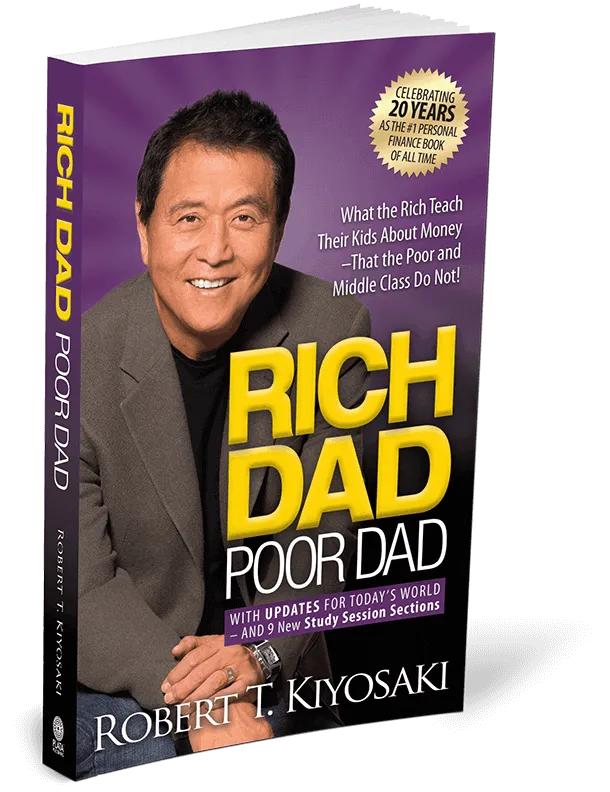
“Rich Dad Poor Dad,” a New York Times bestseller, is a cornerstone in the field of personal finance books. It provides a fresh perspective on money and investing through the lenses of two father figures with contrasting views.
In “Rich Dad Poor Dad,” Robert Kiyosaki talks about his two dads, one who liked the safety of a regular job, and the other who believed in making money through starting businesses and investing. These different ideas help explain how to make money works and help you decide which path you want to be in.
“Rich Dad Poor Dad” was a real eye-opener for me. It showed me that money isn’t just earned one way. This book taught me the different ways to earn money and was one of the best reads in my early 20s.
The Richest Man in Babylon by George Clason (Money Management)
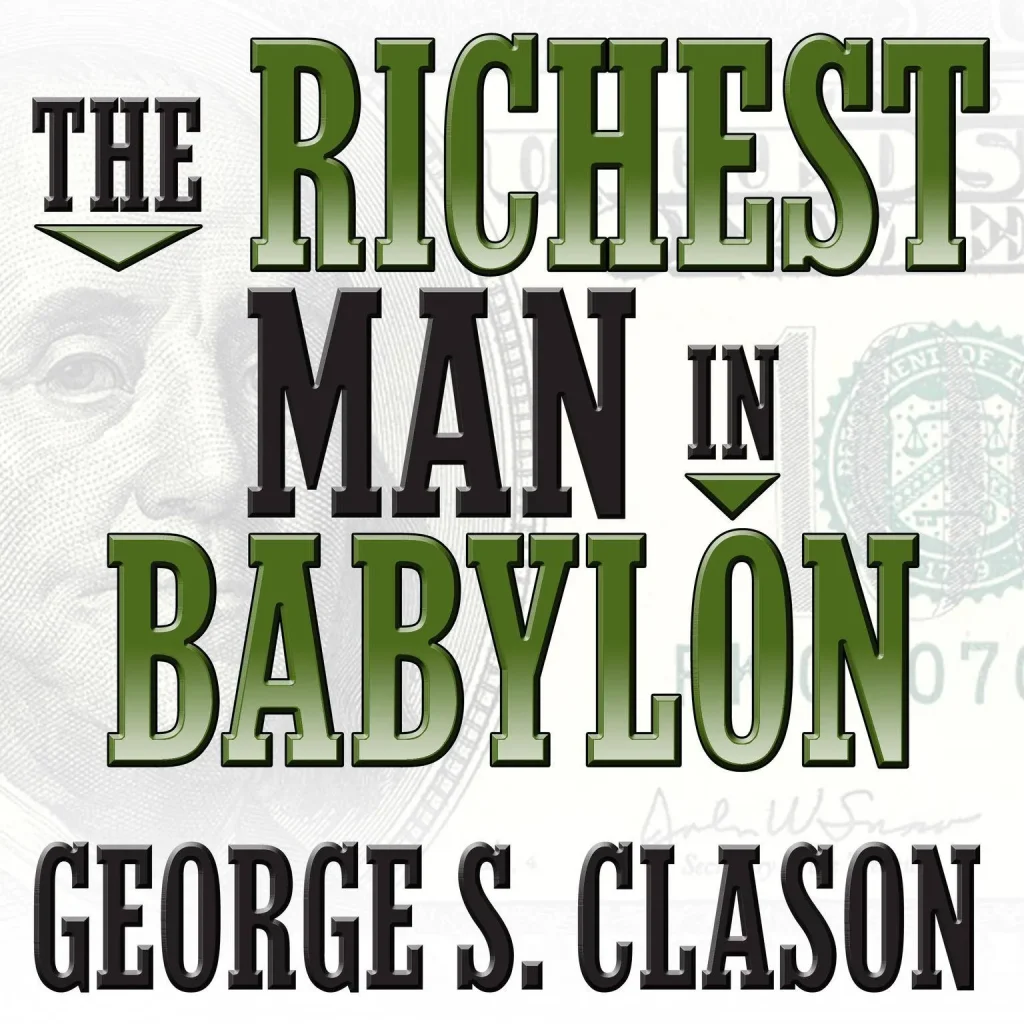
“The Richest Man in Babylon” by George Clason is a timeless classic that has shaped the financial literacy of countless readers. Written in the past, the book shares invaluable financial wisdom through parable-style stories set in ancient Babylon, making it both an educational and entertaining read.
These stories, while set in a time far removed from our own, provide principles that remain relevant today. They offer insights into saving, investing, and managing an investment portfolio that can guide readers to financial success and a great retirement by being an intelligent investor.
Since its initial serialized release in 1926, “The Richest Man in Babylon” has been a beacon for nearly a century, guiding readers through the principles of financial wisdom. Its continued popularity underscores its timeless relevance and establishes it as an essential read for anyone looking to secure their financial future.
The Millionaire Next Door by Thomas J. Stanley (Save Money)
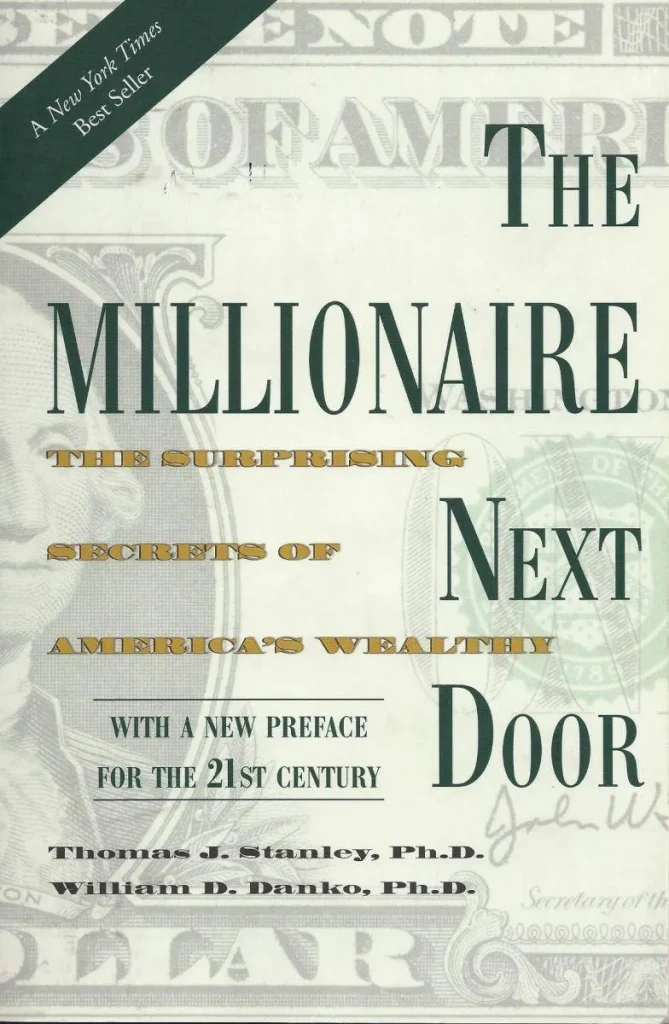
“The Millionaire Next Door” by Thomas J. Stanley is another personal finance book that has made waves in the financial education realm. It shatters the illusion of the high-spending millionaire, revealing that true wealth often resides with those who avoid the limelight, living modestly and within their means.
Stanley’s book illuminates the unexpected reality about self-made millionaires – their tendency towards frugality and their ability to not flaunt their wealth. This fresh perspective challenges your perception of the ‘millionaire next door’, inspiring a reevaluation of your personal spending habits and lifestyle choices.
Highlighted as a seminal work in 10 Ways to Transform Your Personal Finances for Lasting Wealth and Sec, “The Millionaire Next Door” invites readers into the lives of the wealthy, providing a window into their world along with actionable insights and strategies to help you increase your wealth while living a meaningful life.
Cash Flow Hacking by Chris Kirkpatrick (Retirement Planning)
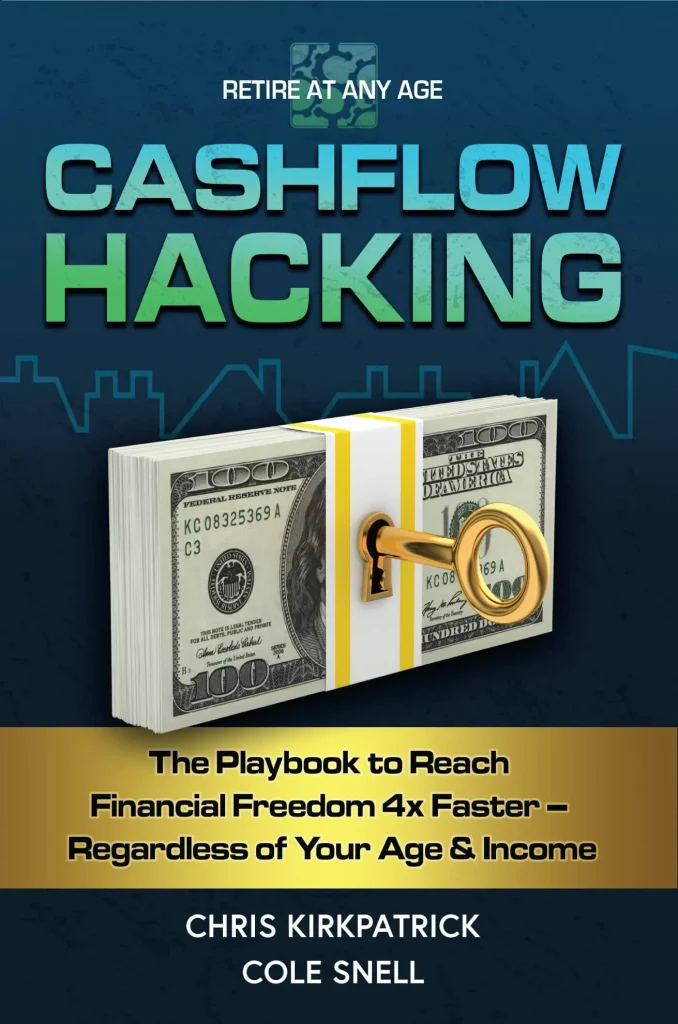
“Cash Flow Hacking” by Chris Kirkpatrick provides an insightful guide for those looking to establish a robust financial system geared towards retirement. The philosophy of the book is centered on constructing a sustainable cash flow system, rather than merely advocating for a Buy term, investing the difference lifestyle. This type of mind-shift leads to being in control and not letting Wall Street and the stock market determine if you have enough money or need more money for retirement. This method promotes financial freedom by improving your value, encourages detailed budget planning, and supports a structured approach to building wealth over time for retirement security.
Kirkpatrick’s book is recognized as one of the top personal finance books due to its pragmatic approach. It aligns with financial independence philosophies championed by financial experts like Dave Ramsey, but adds value by showing the honesty behind the investment tools we use to create our retirement plan in the modern era.
This method is designed to:
Enhance money management skills
Prevent overspending by improving your financial literacy
This leads to more key lessons to save money and create an emergency fund.
Attain financial independence by focusing on self-improvement as the most crucial investment in retirement planning.
“Cash Flow Hacking” transcends being merely a finance book; it serves as a roadmap towards my financial success. It underscores the importance of understanding the value of money, managing it prudently, and leveraging it effectively. Ultimately, it guides me towards constructing a secure financial future and achieving the liberty to relish life on my own terms.
Related guides
- more on Mastering Your Money: What Is Personal Finance and Why Is It
- more on Maximize Your Savings: Discover 5 AI Budget Tools for
- more on Best Ways Different Religions Approach Personal Finance
- Examining the Gap: Why Isn’t Personal Finance Taught in School?
- more on Demographic-specific Finance (underserved Markets)
- Mental Health & Behavioral Finance
- more on How to Use AI Tools to Improve Your Personal Finance
- Regional & Cultural Finance
- How to Navigate Web3 Finance
Summary
In summary, financial success is not just about accumulating wealth – it’s about understanding how to manage your money effectively, making informed financial decisions, and living a fulfilled life. The personal finance books I’ve explored – “Rich Dad Poor Dad” by Robert T. Kiyosaki, “The Millionaire Next Door” by Thomas J. Stanley, “The Richest Man in Babylon” by George Clason, “Cash Flow Hacking” by Chris Kirkpatrick, and “The Strangest Secret” by Earl Nightingale – offer unique insights and practical strategies that can guide you on your path to financial independence and great retirement.
Why Personal Finance Books will change your thinking.
I hope that these books inspire you to take control of your financial future. Remember, the journey to financial independence is not a sprint but a marathon. Stay persistent, keep learning, and don’t be afraid to take calculated risks. After all, as Earl Nightingale said in “The Strangest Secret,” “We become what we think about.” meeting with a certified financial planner is always recommended, but before you contact one, why not improve your financial education to know where you want to go first?
Frequently Asked Questions
What is the best book to read on finance?
The best book to read on finance would be “The Strangest Secret” by Earl Nightingale, especially if you’re looking for a transformative approach to wealth and personal development. This book doesn’t just provide a step-by-step guide for becoming debt-free; it also dives into the profound impact of our thoughts and attitudes on our financial success. Nightingale’s philosophy that “we become what we think about” underscores the book’s focus on the importance of a positive mindset and goal-setting in achieving financial independence and prosperity.
What is the best book to read to become wealthy?
“The Richest Man in Babylon” by George Clason is a great book to read for practical advice if you want to learn about building wealth. It’s full of simple, wise lessons about saving and investing money. Many people have found it helpful for improving their finances and it’s easy to understand, even if you’re new to managing money.
How can “Cash Flow Hacking” help me achieve financial success?
“Cash Flow Hacking” positions itself as a pivotal resource for individuals aiming to master their finances. It goes beyond simply advising on budgeting, challenging readers to think of cash flow vs net worth as your goal that can lead to more disciplined spending habits. Offering actionable strategies to increase savings, reduce debt, and ultimately steer towards financial independence. By embracing the principles within, you can transform your approach to money, learning to manage your cash flow in a way that could lead to substantial wealth accumulation over time.
What unique insights does “The Millionaire Next Door” offer?
“The Millionaire Next Door” changes the way we think about rich people. It shows that many millionaires don’t spend a lot of money or show off their wealth. Instead, they save and live simply. This book teaches us that being careful with money and making smart choices about how we live are key to building wealth.
Why is “The Richest Man in Babylon” considered a timeless classic?
“The Richest Man in Babylon” is heralded as a timeless classic not only for its enduring financial principles but also for its depiction of the journey one takes towards acquiring wisdom. Through its engaging parable-style narratives, the book charts the path of individuals in ancient Babylon as they learn the vital tenets of saving, investing, and wise money management. These stories encapsulate the transformative power of financial knowledge, illustrating how the characters evolve from financial naivety to savvy investors and prudent savers, a journey as relevant today as it was in antiquity.
How often should I read finance books to improve my financial knowledge?
There’s no strict rule for how often you should read finance books, but consistency matters more than quantity. Reading one finance book per month and truly implementing its lessons is far more valuable than rushing through several books without applying what you learn. Many financial experts suggest dedicating at least 15-30 minutes daily to financial education, whether through books, articles, or podcasts. The key is making financial learning a regular habit rather than an occasional activity. Some people prefer to read multiple finance books back-to-back to build momentum and see how different authors approach similar concepts, while others benefit from spacing out their reading to allow time for reflection and implementation. Consider your learning style and current financial goals when deciding your reading pace. If you’re just starting your financial literacy journey, you might read more frequently to build a strong foundation. As you advance, you might slow down to focus on more specialized topics or spend more time implementing strategies rather than just consuming information. Remember that rereading important finance books can be just as valuable as reading new ones, as you’ll likely discover new insights at different stages of your financial journey.
Are finance audiobooks as effective as reading physical books for learning?
Finance audiobooks can be just as effective as reading physical books for learning, though each format offers distinct advantages. Research shows that comprehension and retention are comparable between listening and reading for most people, especially for narrative-style content like the personal finance books discussed in this article. Audiobooks excel in convenience – you can absorb financial knowledge while commuting, exercising, or doing household chores, effectively turning “dead time” into productive learning time. The immersive nature of audiobooks, enhanced by professional narrators who add emotion and inflection, can make concepts more engaging and memorable. However, physical books have their strengths too. They allow you to easily highlight key passages, write notes in margins, flip back to review important concepts, and reference specific sections quickly. For complex financial topics with charts, graphs, or detailed calculations, physical books might be preferable since you can study visuals at your own pace. Many finance enthusiasts find that combining both formats works best – listening to audiobooks during commutes for general concepts and motivation, while keeping physical copies for deeper study and reference. Ultimately, the most effective format is the one you’ll actually use consistently. If audiobooks help you consume more financial education than you would with physical books alone, they’re clearly the better choice for you.
How can I actually implement the advice from finance books instead of just reading them?
Implementing advice from finance books requires intentional action beyond simply finishing the book. Start by taking detailed notes while reading – not just copying passages, but writing down specific actions you can take based on each chapter. After finishing a finance book, create an action plan with three to five concrete steps you’ll take within the next 30 days. Be specific: instead of “save more money,” write “automatically transfer $200 from checking to savings every payday” or “track all expenses for one month using a budgeting app.” Focus on implementing one major concept at a time rather than trying to apply everything at once, which often leads to overwhelm and inaction. Schedule a monthly review where you assess what you’ve implemented and what still needs attention. Share your goals with an accountability partner or join a financial literacy group to stay motivated. Many people find success by creating what’s called a “book-to-action” journal specifically for finance books, where they document key learnings alongside their implementation progress and results. Remember that knowledge without action is just entertainment – the real value comes from applying what you learn. Even small, consistent actions compound over time, just like the financial strategies these books teach. If you find yourself struggling to implement advice from a particular book, it might be too advanced for your current situation, or you might need to break down the steps into smaller, more manageable actions.
What’s the best finance book for beginners versus advanced readers?
For beginners just starting their financial literacy journey, “The Richest Man in Babylon” by George Clason and “Rich Dad Poor Dad” by Robert Kiyosaki are excellent starting points because they focus on fundamental money mindsets and basic principles through engaging stories rather than complex financial jargon. These books help beginners understand why financial literacy matters and introduce core concepts like saving a portion of income, distinguishing assets from liabilities, and thinking long-term. “The Millionaire Next Door” is also beginner-friendly as it demystifies wealth-building through real-life examples of everyday millionaires. Once you’ve grasped these fundamentals and built consistent financial habits, you’re ready for intermediate books like “Cash Flow Hacking” which introduces more sophisticated wealth-building strategies around cash flow management and retirement planning. Advanced readers who’ve already implemented basic budgeting, have investment portfolios, and understand financial markets should explore books like “The Intelligent Investor” by Benjamin Graham, which delves into value investing and market analysis, though it requires patience and financial understanding to fully appreciate. “A Random Walk Down Wall Street” by Burton Malkiel is excellent for readers ready to dive into investment strategy, market efficiency, and portfolio theory with a more analytical approach. The key progression is to start with books that teach fundamental principles and mindset, then move to books covering specific strategies like budgeting and debt elimination, followed by investment-focused books, and finally specialized topics like tax optimization or estate planning. Pay attention to your comprehension and implementation – if you’re struggling to understand or apply concepts from a book, it might be too advanced for your current level, and there’s no shame in stepping back to intermediate material. Conversely, if you’re finding a book too basic and you’re already implementing most of its recommendations, challenge yourself with more advanced material. A balanced reading list might include motivational books to maintain enthusiasm alongside technical books for specific knowledge, ensuring you stay inspired while building expertise.