
Last reviewed: June 2026
You see a digital artwork listed for 0.3 ETH and wonder if you can own it. You worry about losing money or having the token disappear.
You may lose thousands of dollars if a scam steals your wallet or a marketplace collapses.
This post shows you how to set up a secure wallet, pick trustworthy platforms, verify ownership, and protect your transactions. Follow each step and you can trade NFTs without exposing yourself to common risks.
This article provides educational information only and does not constitute financial or legal advice.
Key Takeaways
- Use a hardware wallet for any purchase over $500 or 0.1 ETH
- Verify the contract address on the official project site before buying.
- Trade only on platforms that hold a U.S. money-transmitter license or are registered with the SEC.
- Enable multi-factor authentication and set a strong, unique password for every exchange.
- Keep a backup of your seed phrase in two physical locations.
- Report suspicious activity to the platform and to the Federal Trade Commission.
Choose the Right Wallet
For a vetted, regularly updated list of tools that can help, explore our AI finance tools directory.
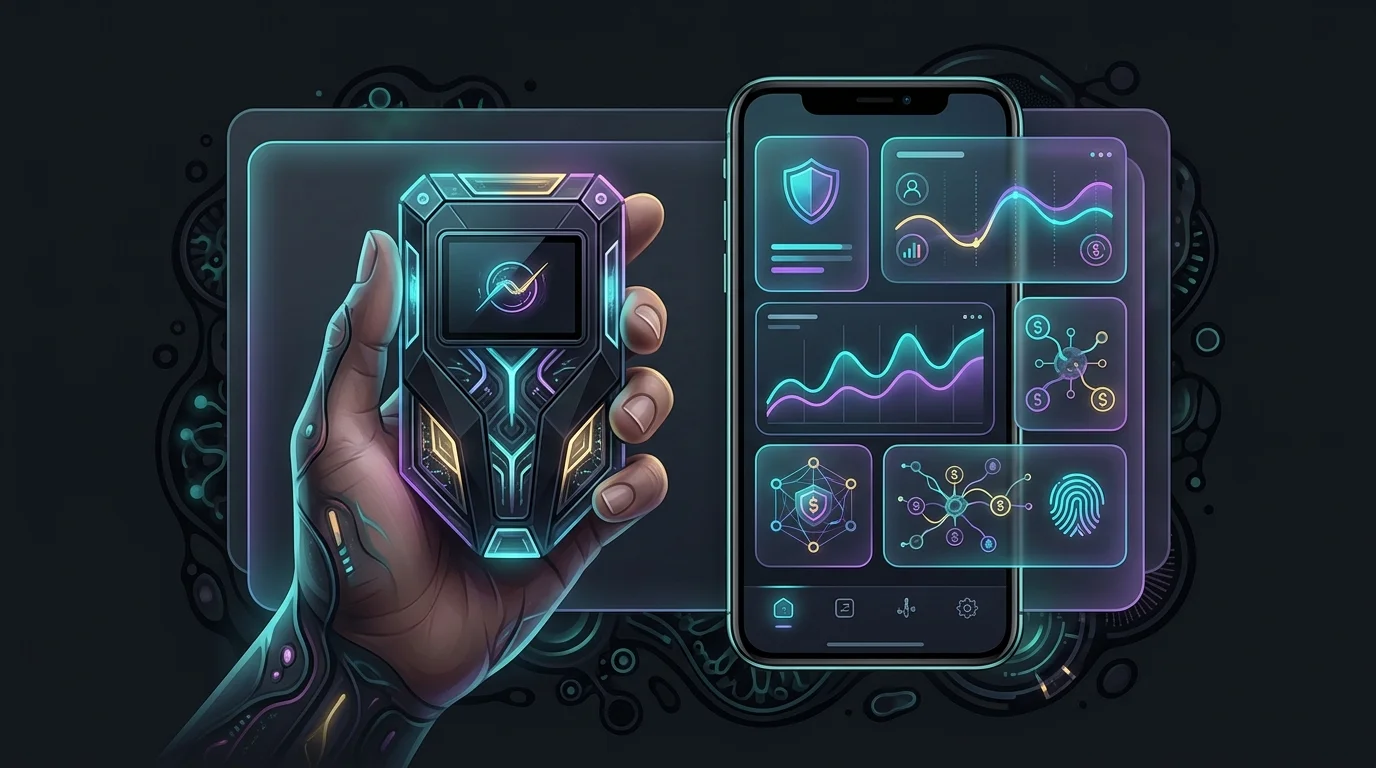
A wallet stores the private keys that let you move NFTs. Not all wallets are equal. Software wallets run on phones or browsers and are convenient, but they are more vulnerable to phishing. Hardware wallets keep keys offline and are the safest option for sizable investments.
Hardware wallets protect your assets
A hardware device such as Ledger or Trezor stores the private key in a sealed chip. The key never leaves the device, so a hacker cannot steal it through the internet. Even if your computer is compromised, the transaction must be approved on the device’s screen.
Software wallets for small-scale trades
If you are buying a low-value token under $200, a reputable software wallet like MetaMask or Rainbow can work. Install the official extension from the developer’s website. Do not click links in emails or social media that claim to offer a “free NFT” and ask you to download a wallet.
Verify the NFT Before Purchase
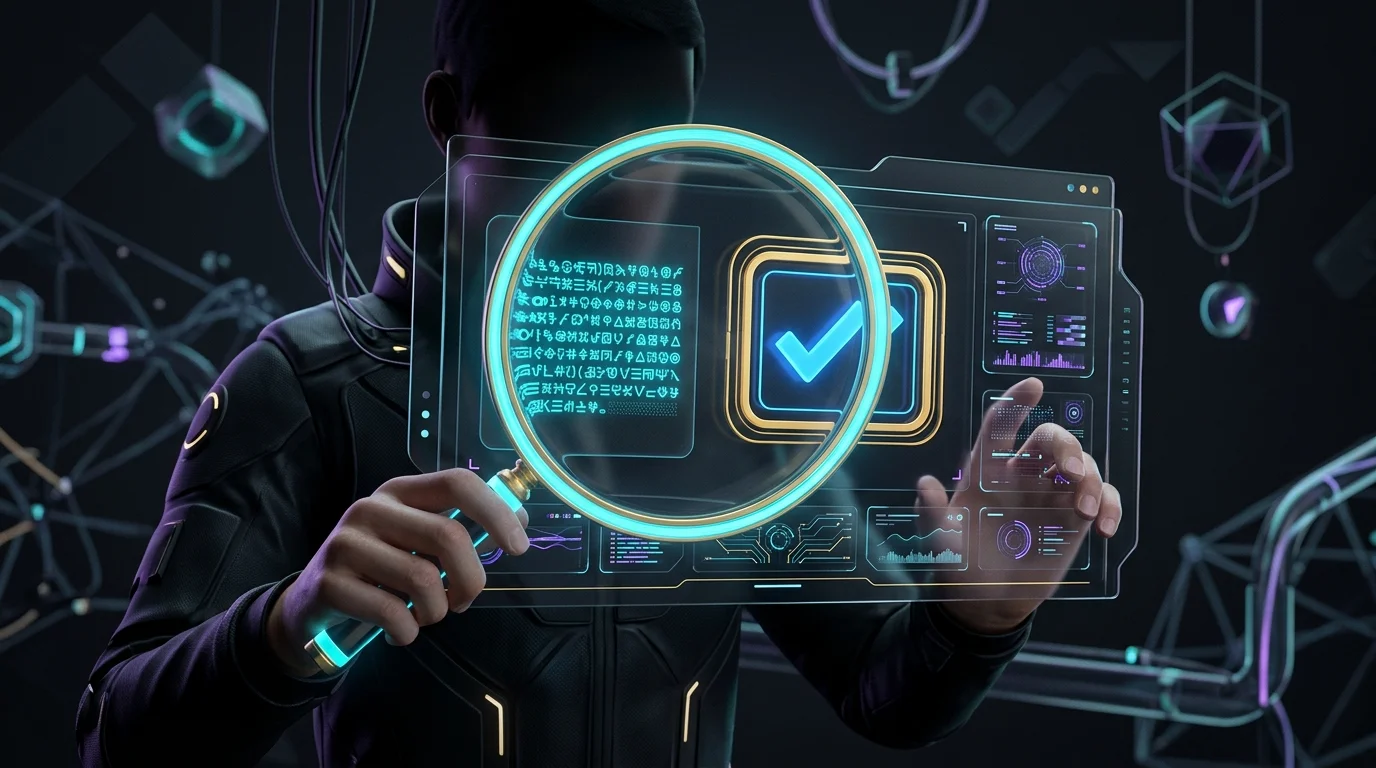
Scammers often copy popular artwork and list it under a fake contract. Always confirm that the token you are buying is the authentic version.
Check the contract address
The project’s official website or Discord will publish the contract address. Copy it exactly and paste it into a block explorer such as Etherscan. Look for a verified badge and confirm the token name matches the listing.
Use a reputable verification service
Platforms like OpenSea and Rarible display a “Verified Collection” label for projects that have passed a manual review. If a collection lacks that label, treat it with caution and do extra research.
Pick Secure Marketplaces
Not every marketplace follows U.S. regulations. Some operate without any licensing, leaving you with little recourse if funds disappear.
Licensed exchanges
As of 2026, exchanges such as Coinbase NFT, Kraken NFT, and Gemini NFT Marketplace hold money-transmitter licenses and are subject to federal oversight. They provide insurance for custodial holdings and have clear dispute-resolution processes.
Decentralized platforms
OpenSea, LooksRare, and Magic Eden run on smart contracts without a central authority. They are popular but do not guarantee refunds. Use them only after you have verified the contract and are comfortable with the risk.
Secure Your Transactions
Even with a safe wallet and a trusted marketplace, the transaction itself can be hijacked.
Enable multi-factor authentication
All exchanges require a password. Add a second factor.preferably a hardware security key like YubiKey. This blocks attackers who obtain your password through phishing.
Set a withdrawal whitelist
Many platforms let you specify which addresses can receive funds from your account. Add only your personal wallet address to the whitelist. This prevents a hacker from redirecting a withdrawal to an unknown address.
Double-check the amount and address
Before confirming a purchase, verify the ETH or USD amount and the destination wallet. A single typo can send the token to a wrong address, and blockchain transfers are irreversible.
Protect Your Private Keys and Seed Phrase
Your private key or seed phrase is the master password to your wallet. Losing it means losing access to every NFT you own.
Write it down, don’t store digitally
Print the 12- or 24-word phrase on paper and store it in a fire-proof safe. Do not save it in cloud notes, email, or a phone screenshot. Digital copies can be harvested by malware.
Create multiple backups
Keep one copy in a safe deposit box at a bank and another in a home safe. If one location is compromised, you still have access.
Rotate keys after a breach
If you suspect any compromise, move all NFTs to a new wallet with a fresh seed phrase. Update the whitelist on any exchanges you use.
Tax and Legal Considerations
Buying and selling NFTs triggers tax events in the United States. The IRS treats most NFTs as property, meaning each sale may result in capital gains or losses.
Record every transaction
Use a spreadsheet or tax software to log the date, fair market value in USD, and the blockchain transaction hash. This makes filing easier and reduces the chance of an audit.
Pay attention to state regulations
Some states, such as New York and California, have additional reporting requirements for digital assets. Check with your state’s department of financial services or a licensed tax professional.
Related guides
- How to Navigate Web3 Finance
- How to Invest in Cryptocurrency Safely: Why Custody Beats Coin-Picking
- How to Include Cryptocurrency in Your Estate Planning
- a closer look at How to Invest in the Metaverse
- How to Buy Stocks Online
- How to Participate in Defi Lending
- Best Metaverse Investment Opportunities
Sources
Frequently Asked Questions
How do I know if a marketplace is licensed?
Look for a link to a money-transmitter license on the site’s footer or in the “About” page. You can also search the Financial Crimes Enforcement Network’s (FinCEN) public database for the company’s registration number.
What is the safest amount to spend on a first NFT?
If you are new, start with an amount you can afford to lose, such as $100 to $200. Use a software wallet and a reputable marketplace. Move to larger purchases only after you have practiced securing a wallet.
Can I recover an NFT if I lose my seed phrase?
No. The seed phrase is the only way to reconstruct the private key. Without it, the blockchain treats the token as permanently locked. That is why multiple physical backups are essential.
Are NFTs considered securities?
The SEC evaluates each token case by case. If an NFT promises profit from the efforts of others, it may be classified as a security. Check the project’s prospectus or legal disclaimer, and consult a qualified attorney if unsure.
How often should I update my wallet’s firmware?
Whenever the manufacturer releases a new version. Firmware updates fix known vulnerabilities and improve compatibility with the latest blockchain standards. Ignoring updates leaves the device exposed.
What should I do if I suspect a phishing attack?
Immediately disconnect from the internet, change passwords on all related accounts, and scan your computer with reputable anti-malware software. Report the phishing link to the platform’s security team and to the FTC. If any funds moved, contact the exchange’s support to request a freeze, though recovery is not guaranteed.
Related Reading: What Is TrumpRx.gov? Good or Bad? Your Complete Guide to Lower Prescri | Mastering How to Sell Life Insurance: A Complete Guide | How to Withdraw Money from Life Insurance Policy Safely