
You’re tired by 2 p.m. even after a full night of sleep. The gym sessions that used to leave you fired up now leave you flat, and it takes twice as long to bounce back from a hard workout. Your drive has quietly dropped off, and somewhere in the back of your mind you’ve started wondering if this is a testosterone problem. Before you order a supplement stack or book a TRT consult, there’s a simpler question worth answering first: is your plate part of the issue? Learning how to increase testosterone naturally starts with the raw materials your body actually needs to make the hormone in the first place, and for a lot of men in their 30s, 40s, and 50s, those materials have quietly disappeared from their diet.
This isn’t a pitch for a miracle food or a 30 day reset. Testosterone production is a chemical process, and it runs on specific inputs: cholesterol, zinc, vitamin D, and enough total calories to signal to your body that it’s safe to build rather than just survive. Cut those inputs, which a lot of low fat, plant oil heavy modern diets quietly do, and your body has less to work with, whether or not anything else in your life changes.
We looked at what men are actually searching when this problem hits them. Questions built around how to increase testosterone naturally pull tens of thousands of searches a month in our own keyword research, sitting right alongside “low testosterone” and “testosterone booster foods.” That volume says this isn’t a fringe worry. It’s a common, quiet frustration a lot of men sit with before they ever bring it up to a doctor.
Key Takeaways
- Testosterone production needs cholesterol, zinc, and vitamin D as raw material, and chronic shortfalls in any of them are linked to lower output.
- In our July 2026 keyword research, “how to increase testosterone naturally” pulled an estimated 50,361 monthly searches, and the broader “how to increase testosterone” pulled about 92,940, making this one of the most common health questions men search.
- “Low testosterone” gets roughly 26,661 searches a month and “testosterone booster foods” about 19,603, showing men are actively looking for a diet-first answer before they look at supplements or prescriptions.
- A 2021 systematic review and meta-analysis of controlled feeding studies found men moved from a higher fat diet to a low fat diet saw testosterone drop by roughly 10 to 15 percent on average.
- A systematic review pooling 38 studies found zinc deficiency lowers testosterone and correcting it raises testosterone back up, though the size of the effect depends on how deficient someone starts out.
- Diet can correct a nutritional shortfall. It cannot diagnose or rule out clinically low testosterone, that requires an actual blood test.
Why Diet Comes Before Supplements or TRT
Testosterone is synthesized from cholesterol through a chain of enzyme reactions that also depend on zinc and vitamin D as cofactors. If your diet is chronically short on any of the three, your body is working with a smaller toolkit, and no supplement stack fully replaces fixing that at the source.
Our own keyword research this month put “how to increase testosterone naturally” at an estimated 50,361 searches, the shorter and more general “how to increase testosterone” at about 92,940, “low testosterone” at roughly 26,661, and “testosterone booster foods” at close to 19,603. Four different phrasings, all circling the same worry. That’s a lot of men typing a symptom into a search bar at 11 p.m. instead of calling a doctor, and diet is usually the first lever they reach for because it feels like something they can control without a prescription.
That instinct isn’t wrong. It’s just often executed backward. Cutting carbs, adding a random zinc pill, and calling it a plan misses the fact that total fat intake is one of the biggest dietary levers on testosterone, and it’s the one most men accidentally sabotage while trying to eat clean.

The Nutrients Your Body Actually Uses to Make Testosterone
Three nutrients matter most here: cholesterol and saturated fat supply the building blocks of the hormone itself, zinc acts as a required cofactor in the enzymes that produce and regulate it, and vitamin D supports normal testosterone levels in ways researchers are still mapping out in full. Chronic shortfalls in any of the three show up in the research as lower testosterone.
A systematic review pooling 38 studies, both clinical and animal research, found serum zinc levels positively correlated with total testosterone, and that correcting a zinc deficiency raised levels back toward normal. One of the clearer human studies behind that finding restricted zinc in the diets of healthy young men and watched testosterone fall over 20 weeks. Giving zinc back to marginally deficient older men for six months raised it again.
Fat matters just as much, and it’s the first thing people cut when they’re trying to get lean. A 2021 systematic review and meta-analysis of controlled feeding studies found that moving men from a higher fat diet, around 40 percent of calories, to a low fat diet around 20 percent, lowered testosterone by roughly 10 to 15 percent on average. The type of fat mattered too: a study on dietary fat quality and serum androgens in middle aged men found diets higher in polyunsaturated fat relative to saturated fat were linked to lower testosterone than diets built around more saturated and monounsaturated fat.
How to Increase Testosterone Naturally With Real Food
The most direct nutritional path to increase testosterone naturally is building meals around foods that combine cholesterol, zinc, and vitamin D, instead of stripping fat out of your diet and hoping a multivitamin covers the gap. That means leaning back into foods a lot of “clean eating” advice tells you to avoid.
This is the logic behind the ThriveXDNA recipe packs on the ThriveXDNA store: four digital packs (Breakfast, Lunch, Dinner, and Snacks), 35 recipes each at $5.99, built entirely around animal based ingredients like red meat, eggs, organ meats, and animal fats, with no seed oil, wheat, or corn syrup. The Dinner pack in particular leans on red meat and organ meats as the main event rather than a garnish, which lines up directly with the nutrient profile above. If you’d rather have a plan built around your specific goals and starting point instead of assembling one from articles, the ThriveX App can put together a personalized plan for you, and if you want more structured support than a recipe pack alone offers, it’s worth seeing how a details: Thrive X Fitness vs Traditional Personal Training: 7 Big.
Testosterone Booster Foods to Build Your Plate Around
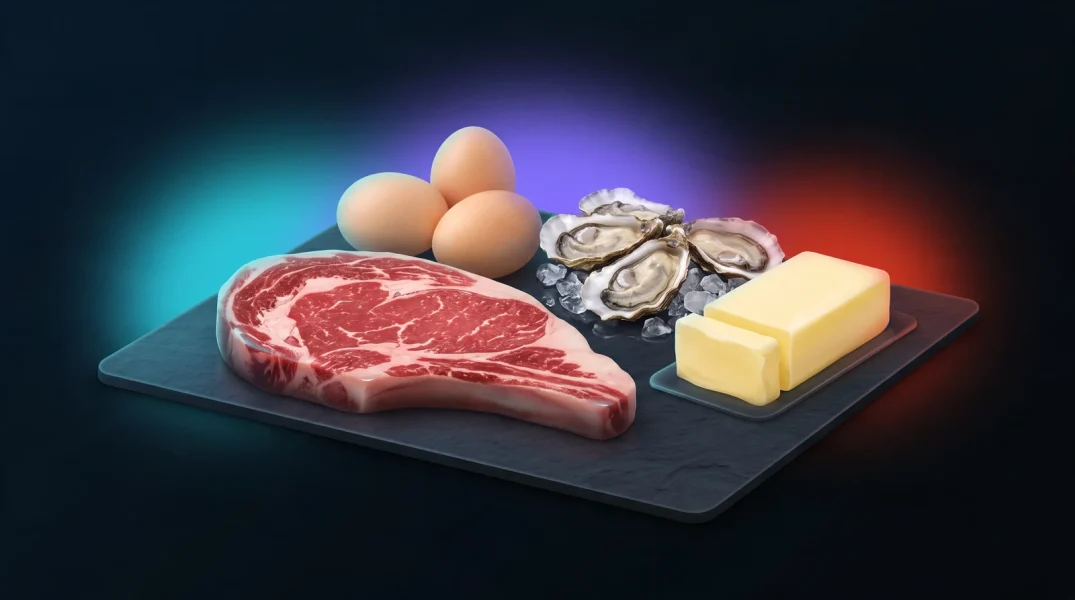
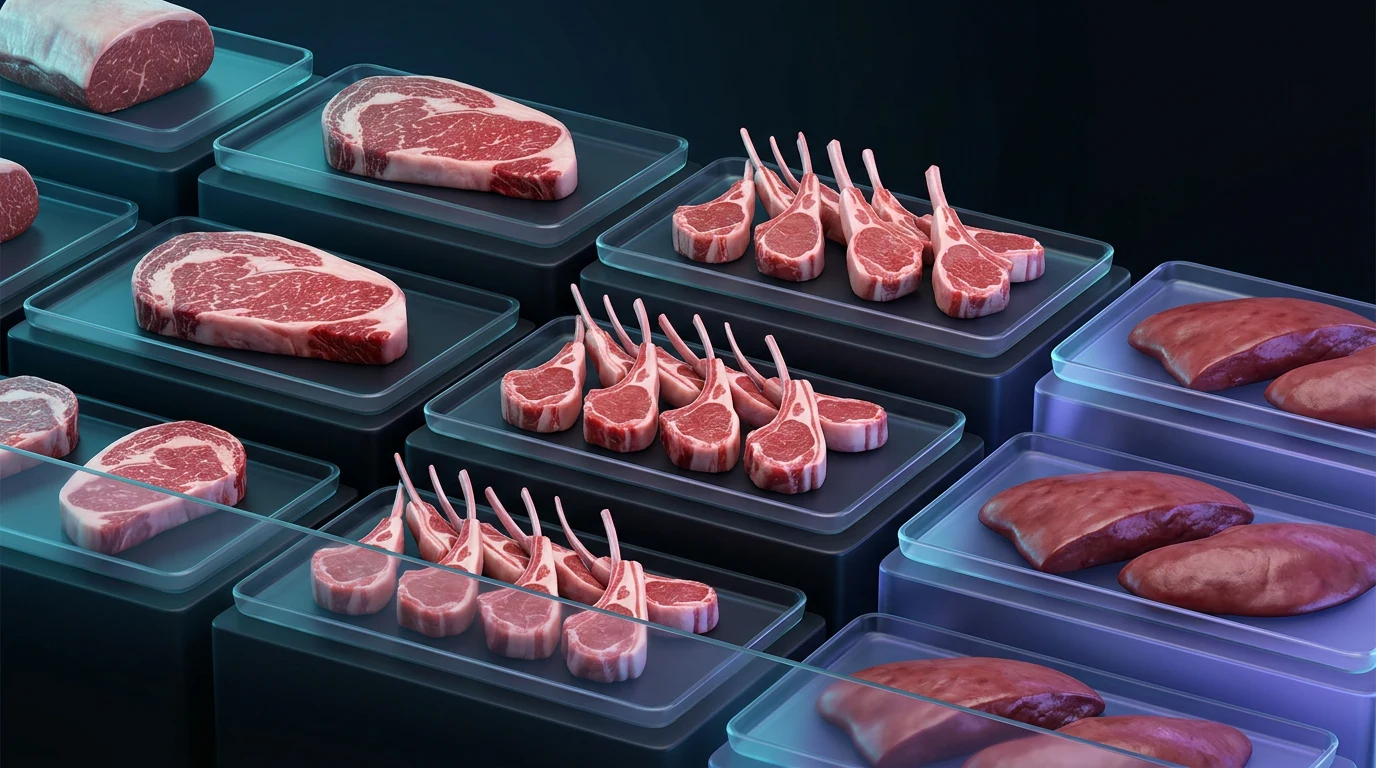
There’s no single miracle food, but a handful of foods reliably deliver the nutrients tied to healthy testosterone production in one place: red meat, eggs, oysters, organ meats, and full fat dairy. Building most of your plate around a few of these most days does more than chasing any one “testosterone food” ever will.
- Beef and lamb carry both zinc and saturated fat, plus creatine and B12 that support general training capacity.
- Eggs, especially the yolk, carry cholesterol and vitamin D together in a way few other everyday foods do.
- Oysters and other shellfish are among the most concentrated food sources of zinc you can eat.
- Organ meats like liver bring a dense mix of zinc, vitamin A, and B vitamins that muscle meat alone doesn’t cover.
- Full fat dairy and animal fats such as butter and tallow round out the saturated fat intake that low fat eating plans tend to strip out.
What Diet Can’t Do: When to Get a Blood Test
Food can address a nutritional shortfall, not diagnose a hormone problem. If you’ve cleaned up your diet for a few months and you’re still dragging, low drive, and flat before workouts, the next step is a blood test and a conversation with a doctor, not a bigger supplement order.
We’re not going to tell you a specific food raises your testosterone by some exact percentage, because outside of the controlled studies cited above, that kind of individual number doesn’t exist in a form that applies to you specifically. What the research does support is the broader pattern: chronic shortfalls in zinc, fat, or vitamin D are linked to lower testosterone, and correcting them tends to help. Whether your fatigue and low drive are diet related or something else, thyroid, sleep apnea, overtraining, a clinical hormone issue, is something only a blood panel can sort out. These recipes and this approach are not a substitute for that evaluation if you genuinely suspect your levels are low.
How you train factors in too. Chronic overtraining without adequate recovery pushes some of the same stress pathways that can suppress testosterone, which is one reason our piece on longevity training versus chasing PRs matters here almost as much as diet does. And if your training itself was never built around your actual recovery capacity to begin with, the DNA Workout Blueprint is a good place to start untangling that.
Sources
- NIA research on dietary restriction and lifespan
- additional detail from NIH’s official resource on this topic
- NIDDK researcher Kevin Hall’s modeling work on metabolic adaptation
Summary
If you’re feeling flat, slow to recover, and low on drive, food is a reasonable first place to look before anything else, but it’s a specific kind of looking. It means checking whether you’re actually eating enough zinc, cholesterol, and vitamin D, not swapping in a supplement and calling it solved. Red meat, eggs, oysters, organ meats, and animal fats cover that ground better than almost anything else on a plate. Give a genuine diet change a real runway of a few months. If you’re still not feeling like yourself after that, get a blood test. That’s not diet failing you, that’s diet doing its job and pointing you toward the next real step.
Frequently Asked Questions
Can food alone fix low testosterone?
Food can fix a nutritional cause of low testosterone, like a chronic shortfall in zinc, fat, or vitamin D. It can’t fix causes that aren’t nutritional, such as a thyroid disorder, sleep apnea, or a clinical medical condition. If diet changes don’t move the needle after a few months, that’s a sign to get tested rather than to eat more of the same foods.
What’s the single best food for testosterone?
There isn’t one. Eggs cover cholesterol and vitamin D together, oysters are one of the most concentrated zinc sources around, and red meat and organ meats bring zinc plus saturated fat. The pattern across your whole diet matters far more than any single food you add.
Do I need to eat more fat to increase testosterone naturally?
If you’re currently eating a very low fat diet, research suggests moving toward a moderate to higher fat intake, roughly 30 to 40 percent of calories, is linked to healthier testosterone levels than staying under 20 percent. That doesn’t mean unlimited fat is better. It means very low fat, especially combined with a high ratio of seed oils to saturated fat, appears to work against you.
How long does it take for diet changes to affect testosterone?
The studies on zinc restriction and repletion ran for months, not days or weeks, before showing a measurable change. Give any real diet change at least eight to twelve weeks before judging whether it’s helping, and track how you actually feel, not just how the scale or the mirror looks.
Should I get a blood test before or after changing my diet?
If you suspect your testosterone is genuinely low rather than just diet related fatigue, get tested first so you have a real baseline number instead of guessing from symptoms. If you’re mainly curious and not showing serious symptoms, cleaning up your diet first and testing later if nothing changes is a reasonable order too.