How Much Protein Do You Actually Need?
Every month, hundreds of thousands of people type meal prep into YouTube. Many more search for high protein meal prep, and still more look up meal prep for weight loss. That is a lot of chicken and Tupperware. But underneath almost every one of those searches is a quieter, more basic question people rarely say out loud:
How much protein do I actually need?
Not "is protein good." Everyone already knows that by now. The real confusion is the number. Is it 100 grams? 150? Is 59 grams enough to stay full? Do you need more because you lift, or more because you’re over 35, or more because you’re trying to lose fat? People prep the meals before they know the target they’re prepping for. This guide fixes that. In about five minutes you’ll have your personal number and a plan to actually hit it.
Key Takeaways
- The short answer to how much protein do I need is 0.7 to 1 gram per pound of bodyweight per day, with your exact spot in that range set by your goal.
- The multiplier changes with the mission: about 0.7 g per pound for maintenance, 0.8 to 1 g per pound for fat loss in a calorie deficit, 0.9 to 1 g per pound for building muscle, and the higher end of the range once you are over 35.
- Worked examples make the math concrete: a 150-pound person losing fat needs about 135 grams a day, a 180-pound person building muscle needs about 180 grams, and a 165-pound 42-year-old maintaining needs about 124 grams.
- Spread the total across roughly 30 to 45 grams of protein per meal over 3 to 4 meals, since a giant dinner does not do the same job as an even split.
- Protein is worth tracking above the other macros for three reasons: it is the most filling gram for gram, it protects lean tissue while you are in a deficit, and your body burns more energy digesting it than it does digesting carbs or fat.
- Common foods add up faster than people expect: 6 ounces of chicken breast is about 52 grams, one can of tuna about 40 grams, a cup of plain Greek yogurt about 23 grams, and two large eggs about 12 grams.
The Simple Formula: Bodyweight x the Right Multiplier
You don’t need a lab test or a spreadsheet to know your number. General guidance from decades of nutrition research lands in a tight, usable range: about 0.7 to 1 gram of protein per pound of bodyweight per day. Where you fall in that range depends on your goal, whether you are maintaining, losing fat, or building muscle.
Aim for roughly 0.7 to 1 gram of protein per pound of bodyweight per day.
Where you fall inside that range depends on your goal:
- Maintenance / general health: ~0.7 g per lb
- Fat loss (in a calorie deficit): ~0.8 to 1 g per lb, since higher protein protects muscle while you’re eating less
- Building muscle: ~0.9 to 1 g per lb
- Over 35: nudge toward the higher end. The body gets a little less efficient at building and holding muscle with age, so more protein helps

Three worked examples
Example 1: 150 lb, losing fat. 150 x 0.9 = ~135 g of protein per day. Split across the day, that’s very doable: a protein-forward breakfast, a solid lunch, a normal dinner, and one snack.
Example 2: 180 lb, building muscle. 180 x 1.0 = ~180 g per day. Higher, but this person is training hard and wants every rep to count. They’ll lean on bigger portions and probably a shake.
Example 3: 165 lb, 42 years old, maintaining. 165 x 0.75 = ~124 g per day. Age pushes them slightly above the bare minimum to protect muscle, without going overboard.
One quick sanity check: protein is about 4 calories per gram, so 150 g of protein is roughly 600 calories from protein alone. That matters when you’re fitting it inside a calorie budget, which is exactly the math that trips people up.
This is the part ThriveX Fitness handles automatically. You enter your bodyweight and goal, and it sets both your daily calorie target and your protein target. No multiplying, no second-guessing. We do the protein math for you, then build meals to hit it.
Why Protein Matters More Than the Other Macros
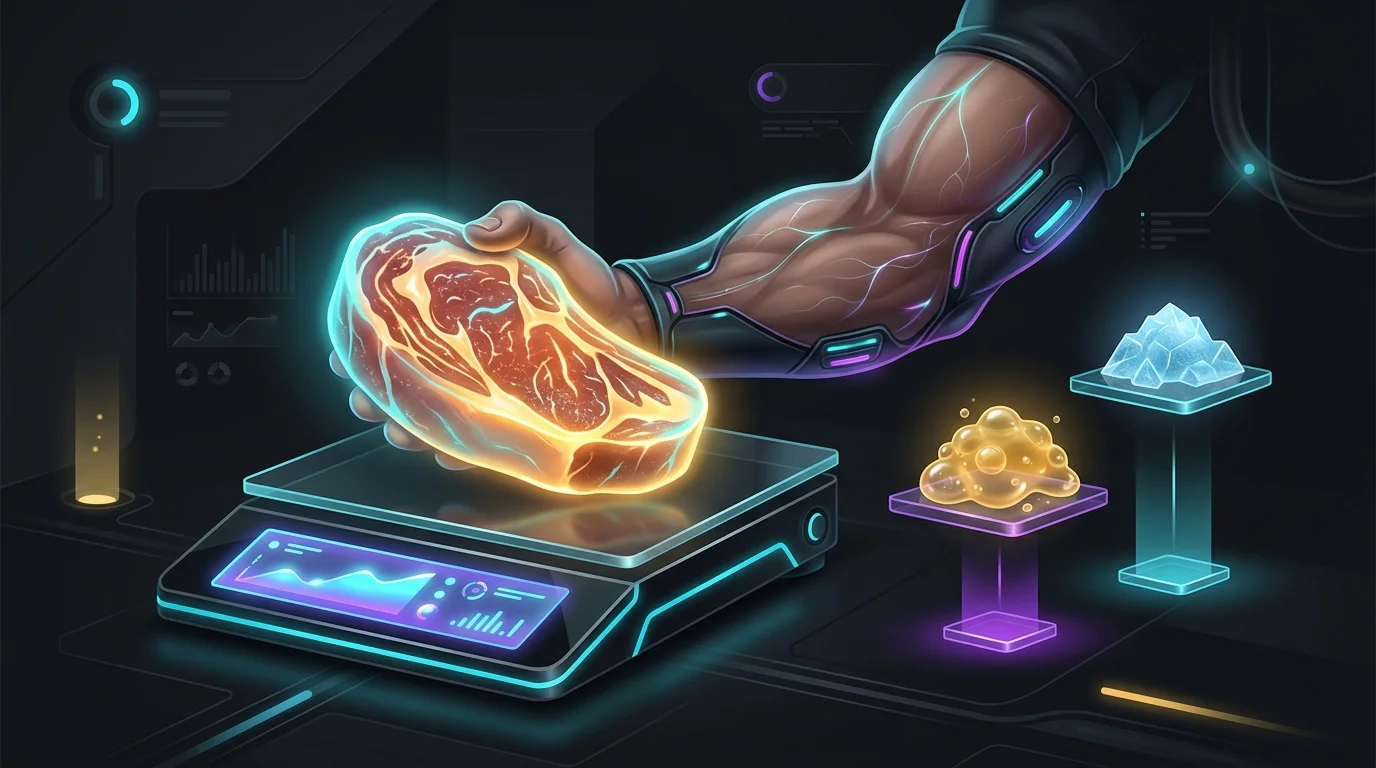
If you’re only going to track one macro, track this one. Protein wins for three reasons: it is the most filling of the three macros, so it curbs hunger; it protects muscle when you are eating in a deficit, so you lose fat instead of lean tissue; and your body burns more energy digesting it than digesting carbs or fat.
1. Satiety: it keeps you full. Protein is the most filling of the three macros, gram for gram. A high-protein breakfast blunts hunger for hours, which is why "59g protein to stay full" resonates so hard with people fighting afternoon cravings. Full people don’t raid the pantry at 3 p.m.
2. Muscle retention. When you’re in a calorie deficit, your body will happily burn muscle for fuel if you let it. Adequate protein tells it to burn fat instead and keep the lean tissue. This is the difference between looking "skinny-soft" and looking lean after weight loss.
3. The thermic effect. Your body burns more energy digesting protein than it does digesting carbs or fat. A meaningful chunk of protein’s calories are spent just processing it. It’s the closest thing to a free metabolic win in nutrition.
How to Split Protein Across the Day
Your body can only put so much protein to work in one sitting, so a giant dinner is not the same as spreading it out. The practical rule is roughly 30 to 45 grams of protein per meal across 3 to 4 meals a day. Consistency across the week matters more than hitting the gram count on any single plate.
Aim for roughly 30 to 45 g of protein per meal, across 3 to 4 meals.
For our 150 lb fat-loss example (135 g/day), that looks like:
- Breakfast: ~35 g
- Lunch: ~40 g
- Dinner: ~40 g
- Snack: ~20 g
You don’t have to hit it to the gram every time. Consistency across the week beats precision on any single plate.
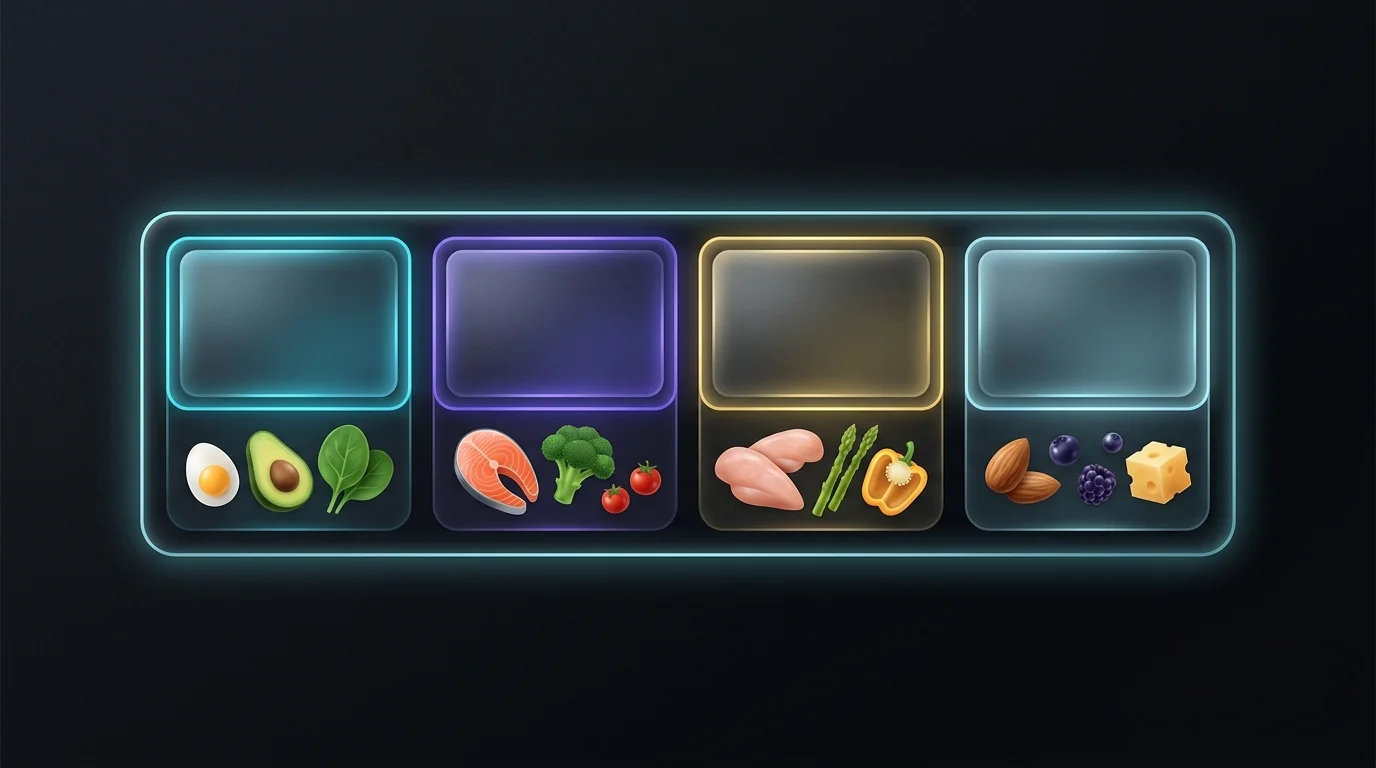
Protein Needs by Goal: Weight Loss, Muscle Gain, Maintenance, Over 35
The right multiplier changes with your goal. Weight loss calls for roughly 0.8 to 1 gram per pound, since protein keeps you full and protects muscle while you eat less. Muscle gain calls for about 0.9 to 1 gram per pound, plus enough calories and training. Maintenance sits around 0.7 gram per pound, and past 35 the target skews higher.
- Weight loss: Go higher (~0.8 to 1 g/lb). You’re eating less overall, so protein does double duty: keeping you full and defending your muscle. This is the single most under-set number for people who "can’t stop snacking."
- Muscle gain: ~0.9 to 1 g/lb, paired with enough total calories and real training. Protein is the raw material; you still need the workout stimulus and a slight calorie surplus.
- Maintenance: ~0.7 g/lb keeps you steady and holds the muscle you’ve built.
- Over-35: Age-related muscle loss is real, and it’s the higher-protein end of the range that fights it. If you’re 35+ and lifting, treating yourself like the muscle-gain number is rarely a mistake.

Easy High-Protein Foods (with Gram Counts)
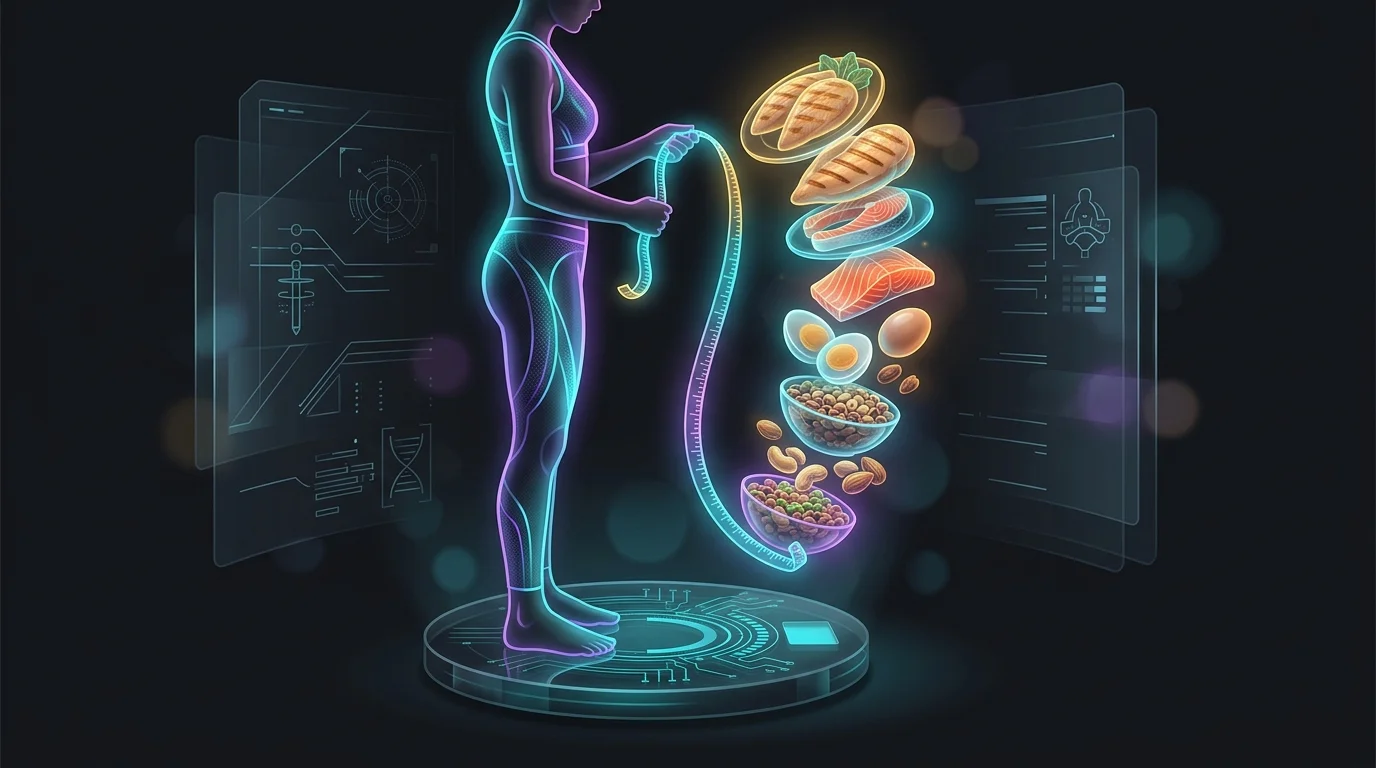
You hit your protein number with food, not willpower. Some reliable building blocks include chicken breast, Greek yogurt, eggs, canned tuna, lean ground beef, cottage cheese, lentils, tofu, and a protein shake, each with a known gram count you can stack across the day until you reach your target.
- Chicken breast (6 oz): ~52 g
- Greek yogurt, plain (1 cup): ~23 g
- Eggs (2 large): ~12 g
- Canned tuna (1 can): ~40 g
- Lean ground beef, 90/10 (5 oz): ~30 g
- Cottage cheese (1 cup): ~25 g
- Lentils, cooked (1 cup): ~18 g
- Tofu, firm (1 cup): ~20 g
- Protein shake (1 scoop): ~25 g
Notice how fast this adds up: two eggs and a cup of Greek yogurt at breakfast is already ~35 g, a full meal’s worth, before you’ve touched lunch.
Logging these is where ThriveX Fitness earns its keep. You can add a food by searching it, scanning a barcode, or snapping a photo of your plate, and it counts the protein toward your daily target in real time. No mental math, no guessing whether you’re "close enough."

Common Protein Mistakes
Most people get their protein intake wrong in a few predictable ways. You guess low instead of running the numbers, load it all into one meal instead of spreading it out, only count the obvious sources and miss the rest, cut it along with everything else when trying to lose weight, and chase a perfect day instead of steady consistency.
- Setting the target too low. "I eat pretty healthy" usually lands people around half of what they need. Run the formula; the number is almost always higher than the guess.
- Back-loading it all at dinner. A 90 g steak dinner doesn’t rescue a protein-empty breakfast and lunch. Spread it out.
- Only counting "obvious" protein. People track the chicken and forget the yogurt, the eggs, the beans. It adds up in your favor when you count it all.
- Ignoring protein while cutting calories. This is the classic weight-loss trap: you eat less of everything, including the one macro that keeps you full and holds your muscle.
- Chasing perfection instead of consistency. Hitting 90% of your target six days a week beats a perfect day followed by three you didn’t track.
Summary
You leave with one number and one habit. The number comes from multiplying your bodyweight by the multiplier that matches your goal, somewhere between 0.7 and 1 gram per pound. The habit is spreading that total across 3 to 4 meals at roughly 30 to 45 grams each, then counting all of it rather than only the obvious chicken. A cup of Greek yogurt and two eggs at breakfast is already about 35 grams, which is a full meal’s worth before lunch even happens.
The point worth remembering is that most people set the target too low. Eating pretty healthy usually lands around half of what the formula returns, and cutting calories without defending protein is the classic weight-loss trap: you end up eating less of the one macro that keeps you full and holds your muscle. Run the arithmetic once, then aim for consistency instead of precision, because hitting 90 percent of your target six days a week beats one perfect day followed by three you never tracked.
Your Number, Then Your Plan
Here’s the whole thing in one breath: multiply your bodyweight by the multiplier that matches your goal, spread that protein across three to four meals, and stay consistent. That’s the answer the many monthly meal prep searchers are really looking for: the target that makes all the prep worth doing.
If you’d rather skip the arithmetic, ThriveX Fitness sets your personalized calorie and protein target from your bodyweight and goal, builds meals to hit it, and lets you log every bite by search, barcode, or photo. It’s free to start. Enter your details, get your number, and stop guessing today.
This article is general information, not medical or dietitian advice. Talk to a healthcare professional before making changes if you have a medical condition or specific health concerns.
Frequently Asked Questions
How much protein to build muscle?
To build muscle, aim for roughly 0.9 to 1 gram of protein per pound of bodyweight per day. That number only works alongside resistance training and enough total calories to support growth; protein alone will not build muscle without the training stimulus and the calories to fuel it. For a 180 lb person, that works out to about 180 grams of protein per day, split across several meals rather than eaten all at once.
Can you eat too much protein?
For healthy people, protein is well tolerated across a wide range, and eating somewhat above your target is not harmful; it typically just adds unnecessary calories rather than causing any direct damage. There is no need to fear going over your number by a modest amount on a given day. If you have a kidney condition or another medical concern, talk to your doctor about the right amount of protein for your specific situation before making changes.
How much protein per meal?
Aim for about 30 to 45 grams of protein per meal, spread across 3 to 4 meals a day. That range is enough to drive fullness and support muscle without needing one giant portion at a single sitting. Splitting your target this way also makes it easier to hit consistently, since no single meal carries the full burden of your daily number, and your body can only make good use of so much protein at once anyway.
Is 100 grams of protein enough?
It depends on your bodyweight and your goal. For a smaller person who is simply maintaining, 100 grams a day may land right around their target and be plenty. For a larger person, or for someone building muscle, 100 grams is often well short of what they need. A 180 lb person aiming to build muscle is closer to 180 grams a day, nearly double, so the same number can be exactly right for one person and far too low for another.
Do I need a protein shake?
No, a protein shake is not required. You can hit your daily number entirely with whole foods, and plenty of people do. A shake is simply a convenient tool for the moments when whole food is not practical, such as when you are short on time, traveling, or trying to reach a higher target that is hard to close with meals alone. Think of it as a backup option rather than something your plan depends on.