

Last reviewed: June 2026
Your phone rings. It sounds exactly like your child, panicked, crying, asking for money. Except it isn’t your child. It’s an AI-generated voice built from three seconds of audio scraped off a social media post. One global survey found that 25% of adults have either experienced an AI voice-cloning scam or know someone who has. That’s exactly why families are quietly building a new line of defense: the AI voice-clone safe word.
Key Takeaways
| Question | Concise Answer |
|---|---|
| What is the AI voice-clone “safe word” movement? | It is a practical habit where families, partners, and teams pre-agree on a private word or phrase used to verify identity whenever a call, voicemail, or voice note feels urgent, emotional, or out of character. |
| Why is a safe word needed in 2026? | Because AI voice clones are cheap, fast, and convincing, and public vigilance is low, which is why tools like Thrive X Secure and household protocols matter together. |
| Does a safe word replace cybersecurity tools? | No, it complements them. A safe word handles human verification, while digital tools like Aura’s digital security suite protect accounts, identity, and data around the clock. |
| Can scammers guess or clone a safe word? | If you choose predictable phrases, yes. The movement recommends unique, non-obvious phrases and rotating them, similar to the layered protection used with a secure VPN. |
| How do I introduce safe words to my family without panic? | Position it like a seatbelt: simple, calm, and routine. We suggest a short family meeting and a written checklist, much like using any of our financial and protection tools such as the IRR Calculator for investment discipline. |
| Is this only for wealthy or high-profile people? | Not at all. Voice-clone scams target everyday people, and our broader insurance insights show that cyber and financial risk now affects nearly every household budget. |
1. What the Safe Word Movement Is Really Solving
For a vetted, regularly updated list of tools that can help, explore our AI finance tools directory.
AI voice cloning can now mimic someone you love using just a few seconds of audio, then script a fake emergency that hits every emotional trigger you have. The safe word movement is a direct response, built around one idea: you deserve a simple, human way to confirm “Is this really you?” before you move money, share data, or act under pressure.
At its core, a safe word is a pre-agreed phrase or question that a scammer cannot easily guess from social media, email, or public data. In 2026, families, caregivers, freelancers, and even small business owners are adding this one habit to their daily security playbook, right next to checking bank alerts and using secure connections.
2. Why 2026 Is the Tipping Point for AI Voice-Cloning Scams
Voice cloning has crossed a threshold where even trained ears struggle to tell real from fake. Research published in 2025 showed that AI-generated voices are perceived as real about 80% of the time, and humans only identify them correctly around 60% of the time. That means “trust your gut” is no longer enough protection.
We carry microphones in our pockets all day, and that convenience brings exposure. Many adults share voice data multiple times per week through voice notes, smart speakers, and video posts, giving criminals more raw material to scrape, clone, and weaponize into “Mom, I’m in trouble” calls that feel terrifyingly authentic.
3. How Safe Words Work Against AI Voice Clones in Real Life
A safe word is less about the word itself and more about the agreement behind it. You and your loved ones decide, in a calm moment, that whenever a message involves money, emergencies, or sensitive information, you’ll pause and verify with your shared phrase.
This movement borrows proven principles from multi-factor authentication and applies them to everyday conversations. Just as you might require a code texted to your phone before authorizing a bank transfer, you now require a verbal or text-based safe word before you believe that a crying, urgent voice really belongs to your spouse or child.

4. Five Core Safeguards Behind the Safe Word Movement
The safe word movement is built on five practical safeguards that anyone can use, regardless of tech skill. These are simple by design, because complicated systems fail in the very moments you feel stressed, rushed, or scared.
Four Layers of Human Verification
- Safe word phrase: A unique, private phrase you don’t reuse anywhere else.
- Secondary question: A detail only you two would know, such as “What did we burn in the oven last Thanksgiving?”
- Out-of-band check: Hang up and call back on a number already saved in your contacts.
- Time-out rule: You both agree that “urgent money requests” always get at least a 5-minute pause.
These human layers pair best with technical safeguards around your devices and data. We see households combining safe words with secure connections, identity monitoring, and strong authentication as a modern “safety stack” for both their finances and their emotional peace of mind.
Did You Know?
70% of people surveyed said they are not confident they could tell the difference between a cloned voice and a real one.
Source: McAfee AI Hub
5. Designing a Safe Word System for Your Family or Team
Treat safe-word planning like a short household drill, not a fear session. You can complete the basics in under 30 minutes and revisit every few months, just as you’d review your budget or insurance coverage.
Step-by-Step Safe Word Blueprint
- Choose the phrase: Make it specific, memorable, and unrelated to common favorites, pets, birthdays, or visible hobbies.
- Define triggers: Agree on which scenarios always require the phrase, for example, “any request to move money” or “any travel emergency story.”
- Write it down securely: Store it in a password manager, not in plaintext notes or group chats.
- Practice once: Run a quick role-play call so everyone knows how to ask for and respond with the safe word under pressure.
This is about building muscle memory. The movement is successful when your teenager, your partner, or your parent hears a frantic request and instinctively asks “What’s our phrase?” before they reach for their wallet or banking app.
6. Financial Fallout: Why Safe Words Are a Money Conversation Too
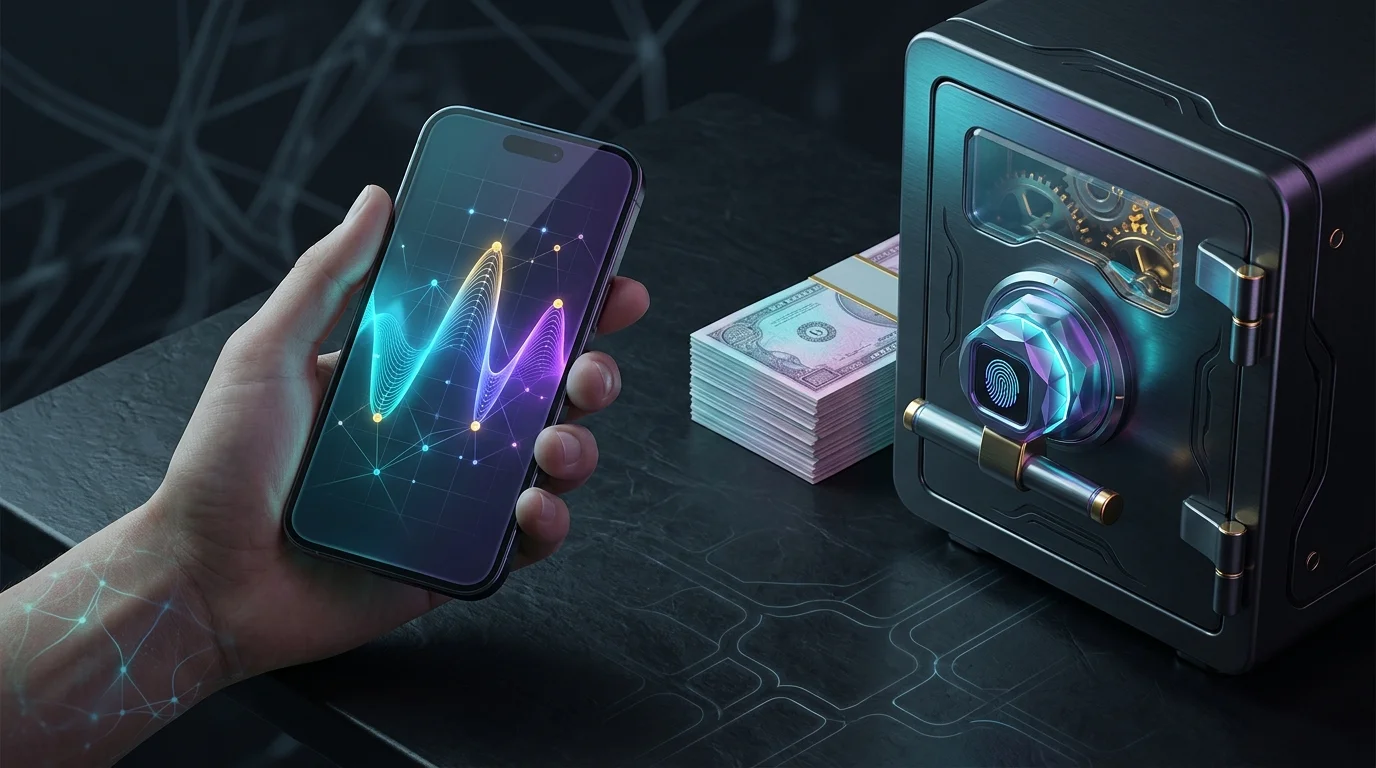
Voice-clone scams aren’t just creepy, they’re expensive. Data from AI scam investigations shows that 77% of those who reported an AI voice-clone scam lost money, with many reporting losses in the hundreds or thousands of dollars per incident.
Reported fraud losses in the United States alone reached the tens of billions in the most recent annual data, and impersonation scams remain one of the top categories by both volume and loss. That’s exactly why your “emergency call” protocol is now part of your overall financial wellness plan, not just a tech precaution.
Turning Safe Words Into Financial Boundaries
- Set a personal rule that you never move money based on a call alone, no matter how emotional it sounds.
- Use verification steps for large transfers the same way you’d compare quotes using tools and calculators.
- Talk to older relatives about dollar limits and safe phrases before they receive that first fake “grandchild” call.
When you combine emotional safeguards like safe words with rational checks like spending limits and regular review of bank alerts, you protect not only your identity but also your long-term goals around savings, investing, and insurance planning.
7. The Role of Cybersecurity Suites, VPNs, and Insurance
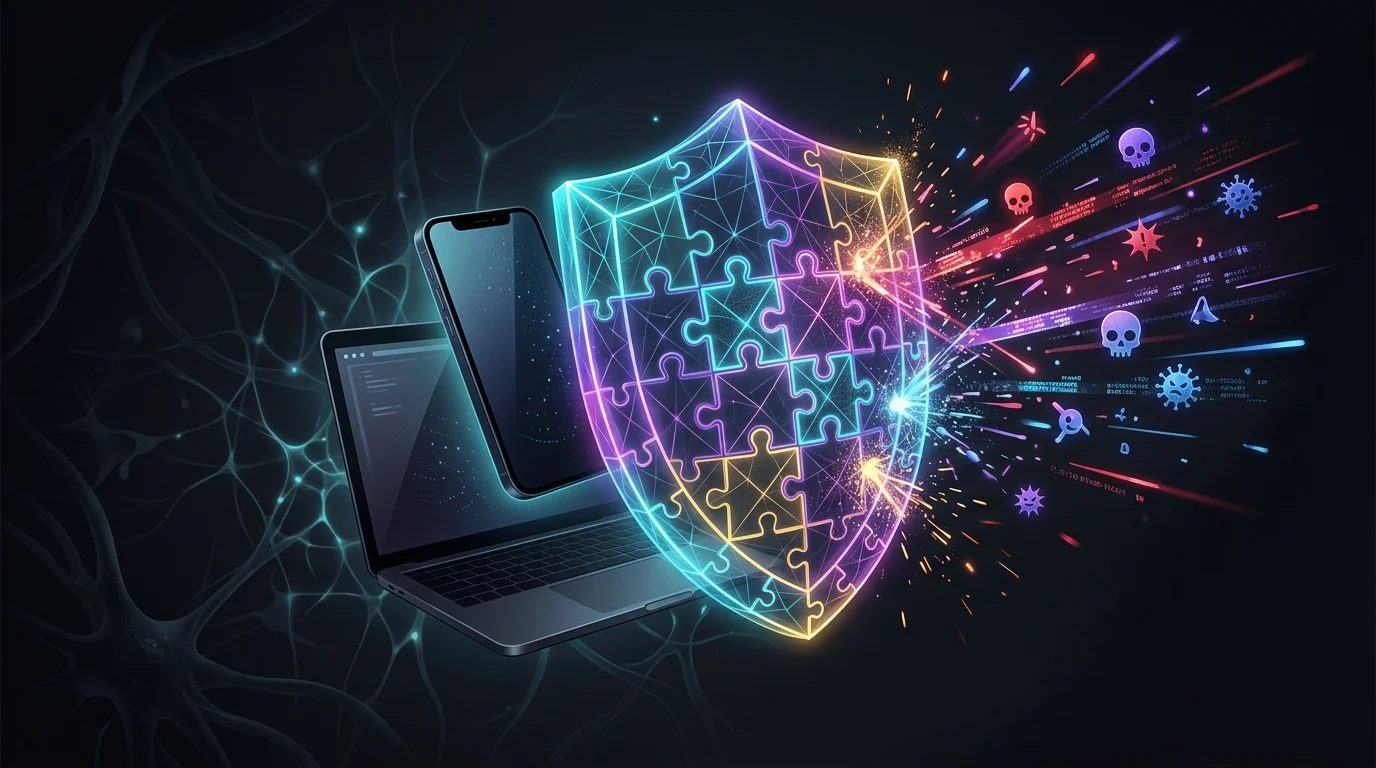
Safe words handle what happens in your ears and your emotions. Cybersecurity tools handle what happens in your devices, networks, and accounts. The strongest protection in 2026 comes from using both together.
Aura and All-In-One Protection as a Backstop
Solutions like the Aura Digital Security Suite provide identity theft monitoring, credit alerts, VPN service, a password manager, and up to $1 million in identity theft insurance. This kind of platform can detect unusual account activity triggered by a scammer, even if they initially succeed in pressuring someone into a rushed decision.
See how Aura protects your family online.
(This is an affiliate link — see our affiliate disclosure.)
VPNs and Data Exposure
A secure VPN, such as Nord VPN or Pure VPN with typical monthly pricing in the $10.95 to $11.95 range, helps limit how much of your traffic can be intercepted or profiled. While a VPN doesn’t directly stop voice cloning, it reduces the overall data footprint criminals can monetize, supporting the same mission as safe words: less exploitable information, fewer attack angles.
Did You Know?
Three seconds of recorded audio can yield an 85% voice match, and with more data, up to a 95% match is possible for AI voice cloning.
Source: McAfee / BusinessWire
8. Insurance, Cyber Liability, and Policy Gaps Around Voice Clones
As the safe word movement grows, more conversations are happening about who pays when voice-clone scams succeed. Traditional life and health insurance products aren’t built for this, but cyber liability policies and identity theft coverage increasingly are.
Cyber liability coverage can help businesses and professionals handle costs after a data breach, social engineering incident, or impersonation attack. For individuals, identity theft products and some bundled financial protection services may offer reimbursement for certain types of fraud losses, as well as specialist support to navigate the recovery process.
Here’s the thing: a safe word helps prevent the crisis. Cyber and identity coverage helps you recover if a crisis still happens.
Your goal isn’t perfection, it’s resilience. Prevention habits, technical tools, and financial backstops all work together so a single cloned phone call can’t derail your savings or your sense of safety.
9. Talking About Safe Words Without Spreading Fear
We believe in calm, proactive conversations instead of anxiety loops. The most successful families and teams treat safe words like seatbelts, fire drills, or strong passwords, simple, routine, and non-negotiable.
Practical Conversation Tips
- Start with empowerment, not horror stories: “Technology is changing, so we’re upgrading how we protect each other.”
- Keep the focus on what you can control: your phrase, your pause rule, your callback habit.
- Rehearse, then move on, once the rule is clear, you don’t need to revisit worst-case scenarios every week.
That approach protects emotional wellbeing as much as financial wellbeing. You’re designing a life where you feel informed and prepared, not constantly on edge every time your phone rings.
10. How Businesses and Creators Are Adapting Safe Words and Verification
The safe word movement started at the household level, but in 2026 we now see creators, freelancers, and small businesses adapting similar ideas in their workflows. Whenever money, contracts, or brand reputation are at stake, verification rules are becoming standard.
Examples of Professional “Safe Word” Style Practices
- Client callbacks: Service providers agree to confirm any bank detail change with a known office number or video call.
- Code words for team leads: Remote teams use pre-agreed phrases for critical decisions requested by voice note or call.
- Multi-channel confirmation: High-value approvals require both voice confirmation and an authenticated written message.
For creators who publish podcasts, videos, or voice content, this movement also includes being cautious about how much raw, clean voice data they leave publicly accessible. Some choose to limit high-quality raw audio downloads or watermark certain recordings, supporting the same goal as families who limit what personal stories they share publicly.
11. Building Your Personal Safe Word Action Plan Today
Adapting to AI threats doesn’t require a computer science degree. What it requires is a decision that you won’t leave your financial security or emotional wellbeing to chance in a world where a stranger can borrow your voice in seconds.
| Action | Time Required | Outcome |
|---|---|---|
| Choose a family safe word and a backup question | 10 minutes | Shared language for instant verification in any “urgent call” scenario |
| Define your “always verify” triggers | 10 minutes | Clear, written rules about when to pause and confirm identity |
| Add technical safeguards like strong passwords, VPN, and monitoring | 30-45 minutes | Reduced data exposure and stronger defenses around accounts and identity |
| Review fraud and insurance protections yearly | 60 minutes | Aligned coverage that matches the real digital risks you face |
When you follow this plan, you turn a scary, abstract risk into a clear set of habits and guardrails. That’s how you stop surviving and start thriving, even in a world where someone can fake your voice in three seconds.
You Have a Plan. Now Use It.
The AI voice-clone safe word movement isn’t about paranoia, it’s about practical protection in a very real threat landscape. Voice cloning will only get better, cheaper, and more accessible. But your response doesn’t need to be complicated to be effective.
By combining a simple safe word system with strong digital hygiene, financial boundaries, and smart coverage decisions, you create an integrated shield around both your wallet and your wellbeing. The next time a call comes in that sounds urgent and emotional, you won’t have to guess, you’ll have a plan.
Related guides
- Best Ways to Stop Voice Assistants from Influencing Your Spending
- Best Alternatives to the Standard FIRE Movement Strategy
- Your Best Essential Cyber Insurance: Complete Coverage Guide
- Best Life Insurance Policies for Families Under 45 in 2026: Stop Hopin
- How to Borrow Against Life Insurance: A Simple Guide
- How to Choose the Right Life Insurance Policy (The Type Isn’t th
- How Does Life Insurance Work? A Complete Guide
Sources
- additional detail from how cryptocurrency scams work
- guidance on protecting your privacy on apps
- general liability
Frequently Asked Questions
What exactly is an AI voice-clone safe word?
It is a private phrase or question that you and your loved ones agree on in advance, used to confirm someone’s identity before you act on an urgent call, voicemail, or voice note. Because a scammer cannot easily guess it from social media, email, or public data, it gives you a simple human way to ask “Is this really you?” before you move money or share sensitive information under pressure.
How much audio does someone need to clone a voice?
Very little. The article notes that AI voice-generating tools can mimic someone you love using just a few seconds of audio scraped off a social media post. According to the McAfee research cited in the piece, three seconds of recorded audio can yield an 85% voice match, and with more data, up to a 95% match is possible. That is why limiting how much clean voice data you leave publicly accessible matters.
Will a safe word alone keep my family protected?
A safe word handles the human side of verification, but it works best paired with technical and financial layers. The article describes a safety stack that combines safe words with secure connections, identity monitoring, strong authentication, and coverage like cyber liability or identity theft protection. The phrase helps prevent the crisis, while those tools help you recover if a scam still succeeds.
How do I pick a phrase a scammer cannot guess?
Make it specific, memorable, and unrelated to common favorites, pets, birthdays, or visible hobbies. The article recommends a unique phrase you do not reuse anywhere else, plus a backup question only you two would know, such as what you burned in the oven last Thanksgiving. Store it in a password manager rather than plaintext notes or group chats, and rotate it so it stays hard to predict.
What should I actually do if a panicked call comes in?
Pause and verify before you act on emotion. Ask for your shared phrase, and use an out-of-band check by hanging up and calling back on a number already saved in your contacts. The article also suggests a time-out rule where any urgent money request always gets at least a five-minute pause. Set a personal rule that you never move money based on a call alone, no matter how emotional it sounds.
Is this only worth doing for wealthy or high-profile people?
No. The article is clear that voice-clone scams target everyday people, including families, caregivers, freelancers, and small business owners. Cyber and financial risk now affects nearly every household budget, and scammers often aim impersonation calls at older relatives. The good news is that adapting does not require a computer science degree, just a calm decision to add this habit to your routine.