

Last reviewed: June 2026
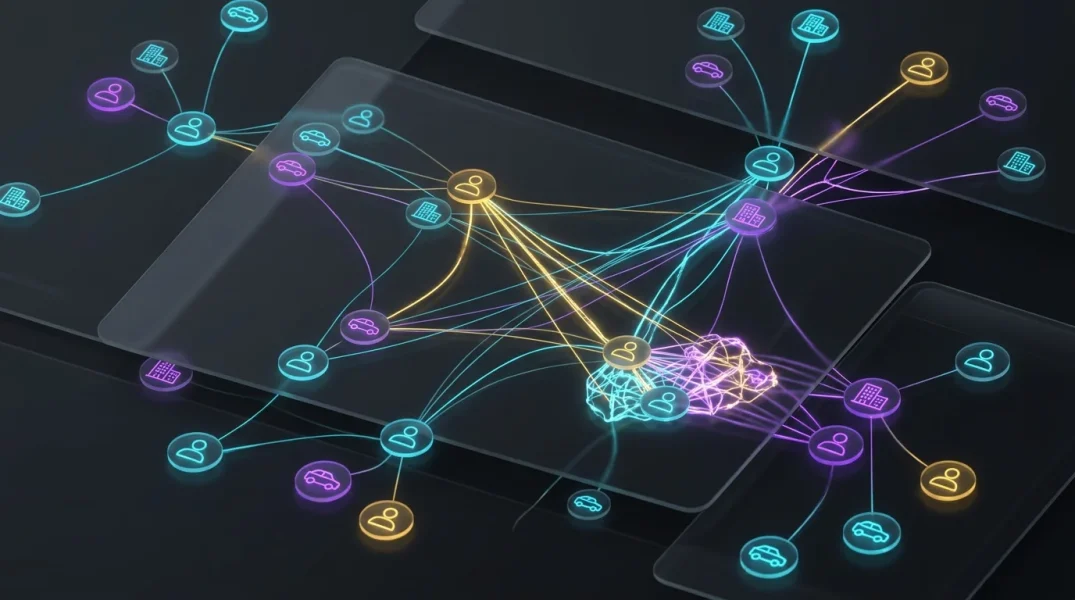
The FBI estimates that non-health insurance fraud costs American policyholders more than $40 billion a year, which works out to roughly $400 to $700 in added premiums per household annually. That cost never appears as a line item on your renewal notice, but it is priced into every quote you receive. What has shifted meaningfully in the past three years is the quality of software available to detect fraud before a claim pays out. Rules-based systems that flag claims above a dollar threshold are giving way to machine learning platforms that identify coordinated fraud rings by tracing connections across tens of thousands of claims at once.
This guide covers the AI insurance fraud detection tools that come up most often in carrier procurement discussions: Shift Technology, FRISS, Verisk ISO ClaimSearch, SAS Fraud Management, LexisNexis Risk Solutions, Gradient AI, and Clearspeed. If you are evaluating tools across the broader AI insurance category, the AI insurance tools directory covers additional platforms across underwriting, claims automation, and customer-facing AI. The goal here is not a feature scorecard but a framework for matching the right tool to where fraud is actually entering your book.
Key takeaways
- Shift Technology is built for claims-stage network analysis and fits mid-size to large P&C and health carriers that generate enough claim volume to produce meaningful entity relationship data.
- FRISS covers both underwriting and claims stages, making it the stronger option when your fraud exposure starts before a policy is issued rather than after a loss event is reported.
- Verisk ISO ClaimSearch holds over 1.4 billion claim records from participating carriers across the US, giving cross-industry claimant history that no single-carrier ML model can replicate from internal data alone.
- Gradient AI and Clearspeed occupy narrower niches, workers compensation underwriting prediction and voice-based FNOL triage respectively, that general-purpose platforms do not address with the same specificity.
- The most useful first step before contacting any vendor is mapping your own loss data to the stage of the lifecycle where fraud is costing you the most. That answer shapes every platform decision that follows.
Why Rules-Based Detection Has a Ceiling
A typical rules-based fraud system might flag any auto claim over $15,000 that involves a soft-tissue injury reported within 30 days of policy inception. That rule catches a real pattern. It also trains organized fraud rings to structure claims at $14,800 with a 32-day lag. Within a few quarters, sophisticated rings have mapped every threshold in a carrier’s ruleset and know precisely how to stay below each one. The rule survives on paper. The fraud survives in the book. Premium costs go up for everyone else.
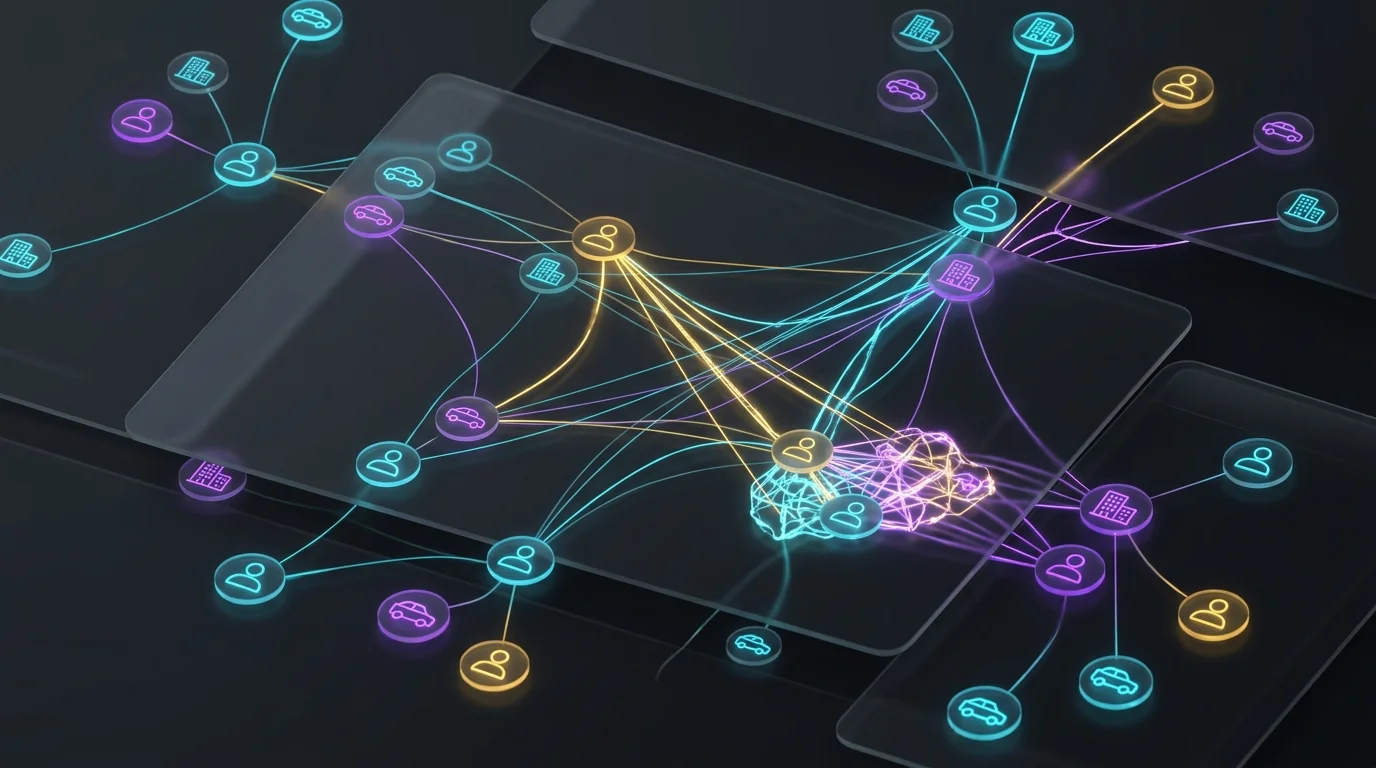
Machine learning changes this by finding combinations of signals rather than individual thresholds. A single claimant with a 33-day lag and a $14,800 claim may look clean in isolation. That same claimant sharing a phone number, a repair shop, and an attorney with 12 other claimants spread across 3 different carriers is a different picture entirely. The network is the signal, and that is what the tools in this guide are built to surface.
One point worth stating directly before you read further: AI fraud detection reduces manual review queues but does not eliminate the need for experienced fraud investigators. The platforms that perform best in practice are treated as triage tools, not decision-makers. Your investigators close cases. The model decides which cases reach the investigator’s desk first.
Shift Technology: Claims-Stage Network Intelligence
Shift Technology was founded in Paris in 2014 and is built almost entirely around claims fraud detection. Its core product ingests claim data, runs entity resolution across the full claim population, and surfaces relationship networks that connect suspicious claimants, providers, body shops, and attorneys. By 2024 the company had raised over $320 million in venture funding and reported serving more than 100 insurance clients globally, figures drawn from publicly available funding announcements and company disclosures. See the National Association of Insurance Commissioners for official guidance.
The platform integrates with Guidewire ClaimCenter and Duck Creek Claims, which are the two most common claims management systems in North American P&C. That integration matters because it determines whether fraud alerts surface inside your adjuster’s existing workflow or require a separate login to a disconnected dashboard. Shift delivers scores and explanation factors inside the adjuster UI, and that workflow continuity is a real reason adoption rates among adjusters tend to be higher than with standalone fraud portals that require context-switching.
Where Shift performs best: staged accident rings, provider fraud schemes in health lines, and multi-claimant auto repair fraud where network connections are the core evidence. Where it is less differentiated: pure underwriting risk assessment before a policy exists, because there is no claim data to analyze yet. If your primary fraud exposure is at the policy application stage, Shift addresses it only indirectly through historical claim patterns on incoming applicants. That is an important gap to understand before you buy.
- Primary use case: claims fraud detection in P&C and health lines
- Key capability: entity network analysis linking parties across large claim populations
- Integration: Guidewire ClaimCenter, Duck Creek Claims
- Best fit: carriers writing enough claims per year to generate meaningful network signal across their book

FRISS: Risk Scoring Before and After the Policy Exists
FRISS was founded in the Netherlands in 2006 and approaches fraud detection from an earlier starting point than Shift. Its platform provides risk scores at underwriting when an application comes in, not only at first notice of loss. That dual-stage design matters when you examine where policy manipulation fraud occurs. A policyholder who intends to file a fraudulent claim is potentially identifiable at application through behavioral signals and cross-reference checks against prior claims history, before any coverage is bound.
The underwriting module pulls from application data, external data sources, and signals from the application process itself. FRISS reports serving over 200 insurance company clients, with deep penetration in European P&C markets and a growing footprint in North America. Its straight-through processing feature allows clean, low-risk policies to move through automatically without manual underwriting review, which improves throughput on good business while reserving human attention for flagged applications.
At the claims stage, FRISS scores incoming first notices of loss against the pre-existing risk profile of the policyholder. Your adjuster starts with context about whether this customer looked risky at policy inception, not just whether this specific claim looks suspicious. That longitudinal view is something claims-only platforms cannot provide because they do not hold the underwriting history. The tradeoff is real: FRISS requires integration with both your policy administration system and your claims management system, which adds implementation scope compared to a claims-only tool.
- Primary use case: underwriting risk scoring plus claims fraud triage across the policy lifecycle
- Key capability: pre-policy risk assessment combined with lifecycle continuity through to claims
- Integration: policy administration systems and claims management systems
- Best fit: P&C carriers who suspect fraud is entering the book at application, not only at the claim stage
Verisk and the Industry-Wide Data Advantage
Verisk occupies a different role from Shift or FRISS. Rather than offering a standalone detection platform, Verisk runs ISO ClaimSearch, the largest aggregated claims database in US insurance. As of recent public disclosures, that database holds over 1.4 billion claim records submitted by participating carriers. When your adjuster queries ClaimSearch on an incoming claim, you are checking a claimant against the claim history of virtually every major US insurer, not just your own book.
That breadth cannot be replicated by a machine learning model trained on a single carrier’s internal data. A claimant who has never filed a claim with your company but has filed six suspicious claims across five other carriers over four years is invisible to your internal models. They become visible the moment you cross-reference ClaimSearch. Verisk also offers analytics products that layer predictive scoring on top of that database, so the value is not limited to binary hit-or-no-hit checks.
The practical consideration for you: ISO ClaimSearch is not a self-serve AI platform you onboard in 90 days. It is an industry data utility that most mid-size and large carriers already participate in and query as part of their standard claims workflow. If your organization is already connected to ClaimSearch, the question is whether you are using Verisk’s analytics layer effectively or whether you are treating ClaimSearch as a simple hit check. The analytics products are where the additional lift comes from, and that is worth a conversation with your Verisk account team if you have not had it recently.
SAS Fraud Management and LexisNexis Risk Solutions
SAS Fraud Management is an enterprise analytics platform that insurance carriers use alongside financial services fraud detection. It combines rule-based scoring with machine learning models and supports structured human review queues. SAS has been in the analytics market for more than 40 years, which gives it broad integration options but also means it carries more implementation weight than newer point solutions. You are not buying a product that arrives pre-configured for insurance fraud. You are buying analytics infrastructure that your data science team configures around your specific fraud patterns.
That is the honest tradeoff with SAS: if you have an internal analytics team with real insurance domain knowledge, SAS gives you flexibility and control that purpose-built insurance platforms do not. If you are buying fraud detection specifically because your organization lacks that internal expertise, SAS is a harder starting point than Shift or FRISS. The platform rewards sophisticated buyers and punishes organizations that underestimate the configuration work required.
LexisNexis Risk Solutions takes a data enrichment approach. Products like LexisNexis Accurint and the LexisNexis Telematics Exchange give carriers access to public records, identity verification data, address history, and driving behavior signals that enrich both underwriting and claims decisions. LexisNexis is not a fraud detection platform in the way Shift is, but it is frequently used as a data layer that feeds into scoring models. If you are building or customizing your own fraud model rather than purchasing a turnkey platform, LexisNexis data assets are one of the first integration points worth evaluating.

Gradient AI and Clearspeed: Narrower Tools That Solve Specific Problems
Gradient AI, founded in 2018, focuses on workers compensation and group health insurance. Its underwriting platform applies machine learning to predict claim frequency and severity at policy inception, which functions as a form of fraud exposure prediction before a policy binds. Workers comp is a line where underwriting accuracy and claims fraud are tightly connected: a risk that is mislabeled or underpriced at binding tends to produce a disproportionate share of suspicious claims downstream. Gradient AI is not a general-purpose fraud detection tool, but for carriers writing significant workers comp or group health business, it addresses the underwriting end of that problem more specifically than generalist platforms do.
Clearspeed is a voice analytics platform that analyzes first notice of loss phone calls for risk indicators. It measures vocal biomarkers to produce a risk score on the caller rather than relying on transcription or keyword detection. Insurance carriers use Clearspeed to triage incoming FNOL calls and route high-risk claims toward special investigations units earlier in the process. The claimed benefit is not just catching more fraud but removing false positives from the investigator queue, so your SIU team spends time on claims with genuine signals rather than on noise.
Clearspeed is a tool you use alongside your claims platform, not instead of it. If your FNOL process is already well-designed and your SIU team is getting quality referrals, Clearspeed adds a triage signal at the earliest possible moment in the claims lifecycle. If your FNOL process is inconsistent or your adjusters are not trained to capture the right information on the first call, fixing that gap will produce more lift than adding a voice analytics layer on top of a broken intake process.
- Gradient AI: best for workers comp and group health underwriting prediction, not general claims fraud detection
- Clearspeed: best for FNOL call triage at carriers with high inbound claim call volume and an active SIU function
- Both tools work as additions to a broader fraud stack, not standalone replacements for a core detection platform
A Decision Framework Before You Talk to Any Vendor
Before you open a conversation with any vendor, answer three questions about your own book. First: at what stage is fraud costing you the most? If your loss ratio problems cluster in claims settled in the 12 to 18 months after policy inception, your fraud is entering at application and a dual-stage tool like FRISS deserves priority. If your largest fraud losses are surfacing from organized rings discovered during SIU investigations 24 to 36 months after binding, a claims-network tool like Shift is more directly targeted at your actual problem.
Second: what is your claim volume? Network analysis tools generate meaningful signal when they have enough data to map relationships across a large claim population. A carrier writing 5,000 auto claims per year will not see the same network density as a carrier writing 500,000 claims per year. At lower volumes, starting with ISO ClaimSearch integration and LexisNexis data enrichment may produce more measurable lift than implementing a full ML platform that does not have enough internal training data to reach calibration.
Third: where does your internal capability sit? SAS Fraud Management gives you maximum flexibility if your analytics team can configure and maintain it. Shift and FRISS offer a faster path to a working model if you need a pre-built insurance-specific product. Clearspeed and Gradient AI address specific problems if you already have a core platform and want to add depth in FNOL triage or workers comp underwriting. The wrong choice is the most comprehensive platform on the market when your team lacks the integration bandwidth to deploy it properly within a 12-month window.

Integration Reality and What Vendors Do Not Lead With
Every vendor in this space will tell you their platform integrates with your existing systems. What they will not tell you upfront is how much of that integration work falls on your IT team versus theirs, and what data quality requirements need to be met before the model generates accurate scores. Most carrier implementations of Shift or FRISS involve 6 to 12 months of data preparation work before fraud scores are meaningfully calibrated. If your claims data has inconsistent provider identifiers, missing address fields, or policy numbers that do not match cleanly across your policy and claims systems, expect that preparation timeline to extend significantly.
A realistic implementation budget for an enterprise-grade fraud detection platform, covering integration, data preparation, and the first year of model tuning, typically runs from several hundred thousand dollars to over $1 million for large carriers. Smaller carriers and MGAs looking for fraud detection without that overhead often start with API-based data enrichment from LexisNexis or Verisk ClaimSearch queries, which can be operationalized in weeks rather than months and produce measurable catch improvement before a full ML platform is in place.
One more consideration that belongs in your vendor evaluation: model explainability. Regulators in most US states require that adverse actions affecting policyholders, including claim denials rooted in a fraud determination, be supportable with a documented reason. Shift and FRISS both produce explanation outputs alongside their fraud scores, which gives your adjusters and SIU staff the audit trail to support those decisions. If you are building a custom model on SAS or using a general-purpose ML infrastructure, explainability needs to be designed in from the start. Retrofitting it after deployment is expensive and, in some state markets, creates real compliance exposure.
How these tools compare
| Platform | Primary Stage | Key Capability | Best Fit | Integration Complexity |
|---|---|---|---|---|
| Shift Technology | Claims | Entity network analysis across large claim populations | Mid-large P&C and health carriers with high claim volume | High (requires claims management system integration) |
| FRISS | Underwriting + Claims | Pre-policy risk scoring plus FNOL triage | P&C carriers who need lifecycle-wide fraud visibility | High (policy admin system plus claims management system) |
| Verisk ISO ClaimSearch | Claims (data utility) | Industry-wide claim history database with 1.4B+ records | Any carrier needing cross-industry claimant history lookup | Medium (API-based, most large carriers already connected) |
| SAS Fraud Management | Underwriting + Claims | Configurable ML plus rules hybrid with full analytics infrastructure | Carriers with internal data science teams and long implementation runway | Very high (requires significant internal configuration) |
| LexisNexis Risk Solutions | Underwriting + Claims (data layer) | Identity verification, public records, and telematics data enrichment | Carriers building or enriching custom fraud models | Medium (API-based data feeds) |
| Gradient AI | Underwriting | Claim frequency and severity prediction for workers comp and group health | Carriers with significant workers comp or group health books | Medium |
| Clearspeed | Claims (FNOL) | Voice risk analysis on inbound first notice of loss calls | Carriers with high-volume FNOL call centers and active SIU functions | Low to medium (phone system integration) |
Related guides
- What Is TrumpRx.gov? Good or Bad? Your Complete Guide to Lower Prescription Drug Prices in 2026
- Your Guide to the Best Cyber Liability Coverage Options That Won’t Break the Bank
- Best Identity Theft Protection Plans in 2025: Secure Your Personal Data Now
- How to Prevent Insurance Fraud
- Best AI Claims Automation Software for
- Best Builders Risk Insurance Companies
- How to Choose Health Insurance Networks
- Best AI Pet Insurance Apps for
- Facing the Consequences: What Happens if You Get Insurance After an Ac
- How to Get Climate Risk Insurance
- Tractable Alternatives: AI Claims Software for
- Technology & Modern Finance Intersections
Summary
Insurance fraud tools split into two camps: general-purpose platforms that scale to your claim volume, and specialists that solve one problem well. If your losses concentrate at claims, Shift Technology’s network analysis fits; if underwriting is where fraud enters, FRISS covers both stages. Verisk ISO ClaimSearch adds cross-carrier claimant history no internal model can match. Gradient AI and Clearspeed fit narrower needs: workers comp underwriting and voice-based FNOL triage. Before contacting any vendor, map your own loss data to the lifecycle stage costing you the most – that answer determines which platform is worth evaluating.
Frequently asked questions
What is the difference between underwriting fraud detection and claims fraud detection?
Underwriting fraud detection identifies misrepresentation at the point of policy application, before coverage is bound. Claims fraud detection operates after a loss event is reported and looks for suspicious patterns in the claim or in the network of parties connected to it. Some carriers face most of their fraud exposure at the claims stage through organized rings submitting inflated or fabricated losses. Others lose more to underwriting manipulation through applicants hiding prior claims or misrepresenting their risk profile. Knowing which problem is larger in your book determines which type of tool produces the most immediate return on your investment.
How long does it take to implement an AI fraud detection platform?
A realistic timeline for a mid-to-large carrier implementing Shift Technology or FRISS is 9 to 18 months from contract signing to production deployment with calibrated models. That range covers data preparation, system integration, initial model training, and the validation work required before you can rely on model scores in your adjuster workflow. Simpler implementations, such as adding ISO ClaimSearch queries through an API or integrating a LexisNexis data feed for identity enrichment, can be operationalized in 4 to 12 weeks.
Can smaller carriers and MGAs afford AI fraud detection tools?
Enterprise platforms like Shift and FRISS are designed for carriers with significant claim volume, and their pricing reflects that. Smaller insurers typically get better early return from industry data utilities like ISO ClaimSearch and LexisNexis identity verification, which are priced per query rather than as annual platform licenses. As your claim volume grows and loss data accumulates, the case for a full ML platform becomes clearer because the model has enough internal data to reach meaningful calibration. Starting with data enrichment and working your way up is a legitimate path, not a compromise.
Do AI fraud detection tools replace SIU investigators?
No. What these tools do is change what reaches your investigator’s desk. A well-tuned fraud detection platform narrows the referral queue so investigators spend time on claims with genuine risk indicators rather than reviewing a random sample of high-dollar losses. The investigative work, gathering evidence, interviewing witnesses, coordinating with law enforcement, and building a case that supports a denial or prosecution, still requires experienced human judgment. The platforms reduce the noise. Your investigators make the calls.
What data does an AI fraud detection platform need to perform accurately?
Most platforms need clean, structured data on claimants including name, address, date of birth, and contact information; involved parties such as attorneys, providers, and repair shops; claim details including date of loss, coverage type, amount, and current status; and historical claim outcomes. The more complete and consistently formatted that data is, the faster a model calibrates to your specific fraud patterns. Carriers with fragmented policy and claims systems where the same claimant may appear under different identifiers across different records typically spend the most time on data preparation before a fraud model generates reliable scores.
How do these platforms handle regulatory requirements around AI-driven claim decisions?
Most US states require that adverse decisions affecting policyholders, including claim denials tied to a fraud determination, be supported by a documentable reason. Shift Technology and FRISS both produce explanation outputs alongside their fraud scores, giving your adjusters and SIU staff documented reasoning to support those decisions. Carriers using configurable platforms like SAS Fraud Management need to build explainability into their model design from the start rather than treating it as a later add-on. As state regulators pay increasing attention to AI use in insurance, having an auditable record of how a score was generated is moving from best practice toward a baseline compliance expectation.