Runna vs TrainAsONE 2026: AI Running Coach Test
Last reviewed: June 2026
Choosing an AI running coach in 2026 comes down to what you value most: a well-structured, coach-approved plan delivered through a polished app, or the deepest adaptive personalisation available in a consumer running tool. Runna and TrainAsONE represent two different philosophies, and neither is universally better.
If you are comparing these two apps, you are likely a runner who has moved past generic free plans and wants something that responds to how your training is actually going. You can compare more options in the AI health and wellness tools directory if neither of these fits your situation.
This article looks at how each platform builds and adjusts your plan, where each one falls short, and which type of runner is likely to get more out of each approach.
Key takeaways
- Runna produces structured, coach-designed plans that adapt based on your race goal and logged sessions, with a polished mobile experience.
- TrainAsONE uses a continuous AI model that recalculates your entire plan after every run, prioritising physiological adaptation over plan aesthetics.
- Runna is easier to set up and easier to follow day to day; TrainAsONE requires more patience with its interface but offers more granular personalisation.
- Neither app replaces a human coach for injury rehabilitation or highly individualised feedback on running form.
- The right choice depends on whether you want a clear weekly structure or a plan that shifts dynamically based on your performance data.
How Runna and TrainAsONE Build Your Training Plan
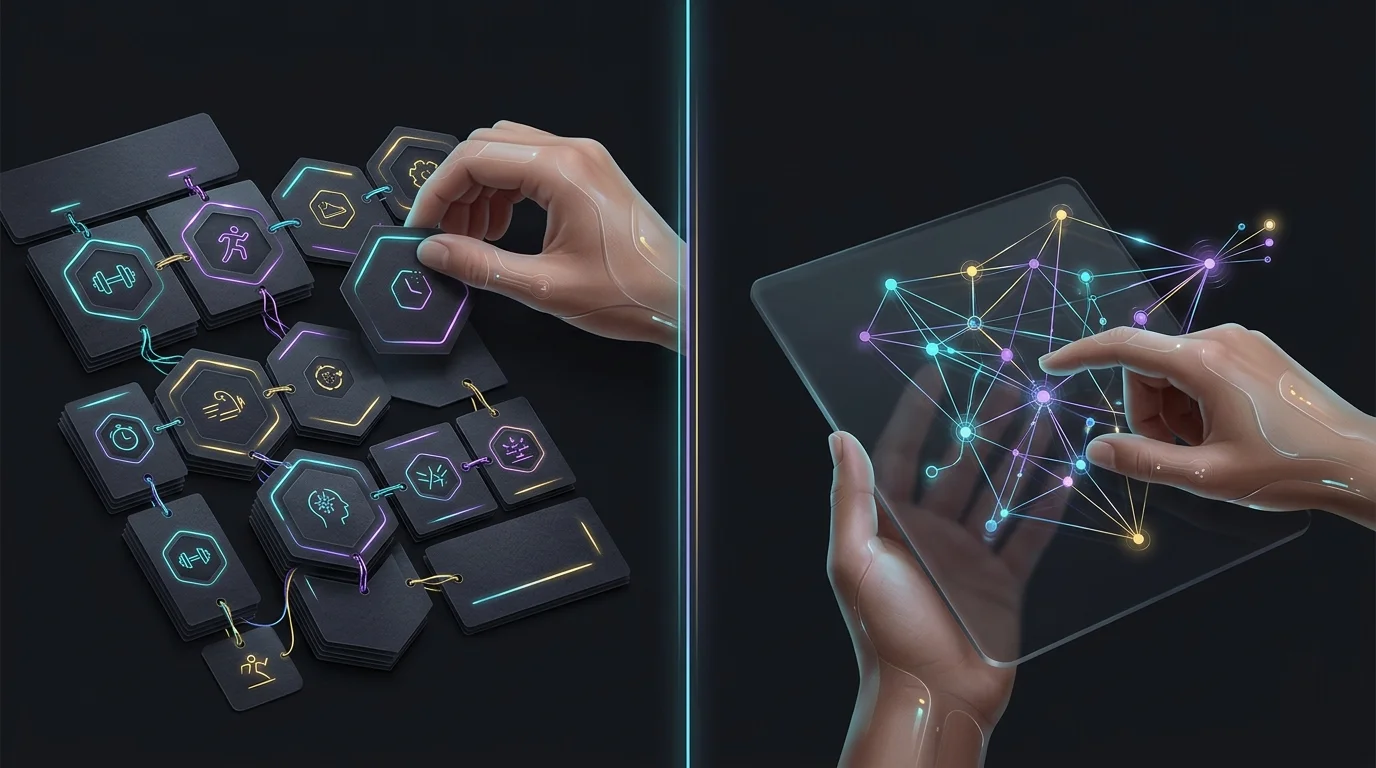
Runna generates plans based on your target race, current weekly mileage, available training days, and a few onboarding questions. The underlying structure follows recognised coaching frameworks, and the app presents each week as a clear set of sessions: easy runs, tempo work, intervals, and long runs. When you log a run, the plan can shift slightly to account for what you completed versus what was scheduled.
TrainAsONE takes a different starting point. Rather than applying a template and adjusting it at the margins, the platform builds a model of your current fitness using your historical run data, then uses that model to generate each week dynamically. The plan is not fixed in advance in the same way Runna’s is. Each completed run updates the model, and future sessions are recalculated accordingly. This is what the platform means when it describes itself as adaptive AI rather than a coached plan with smart adjustments.
Adaptive AI: Surface-Level vs Deep Recalculation
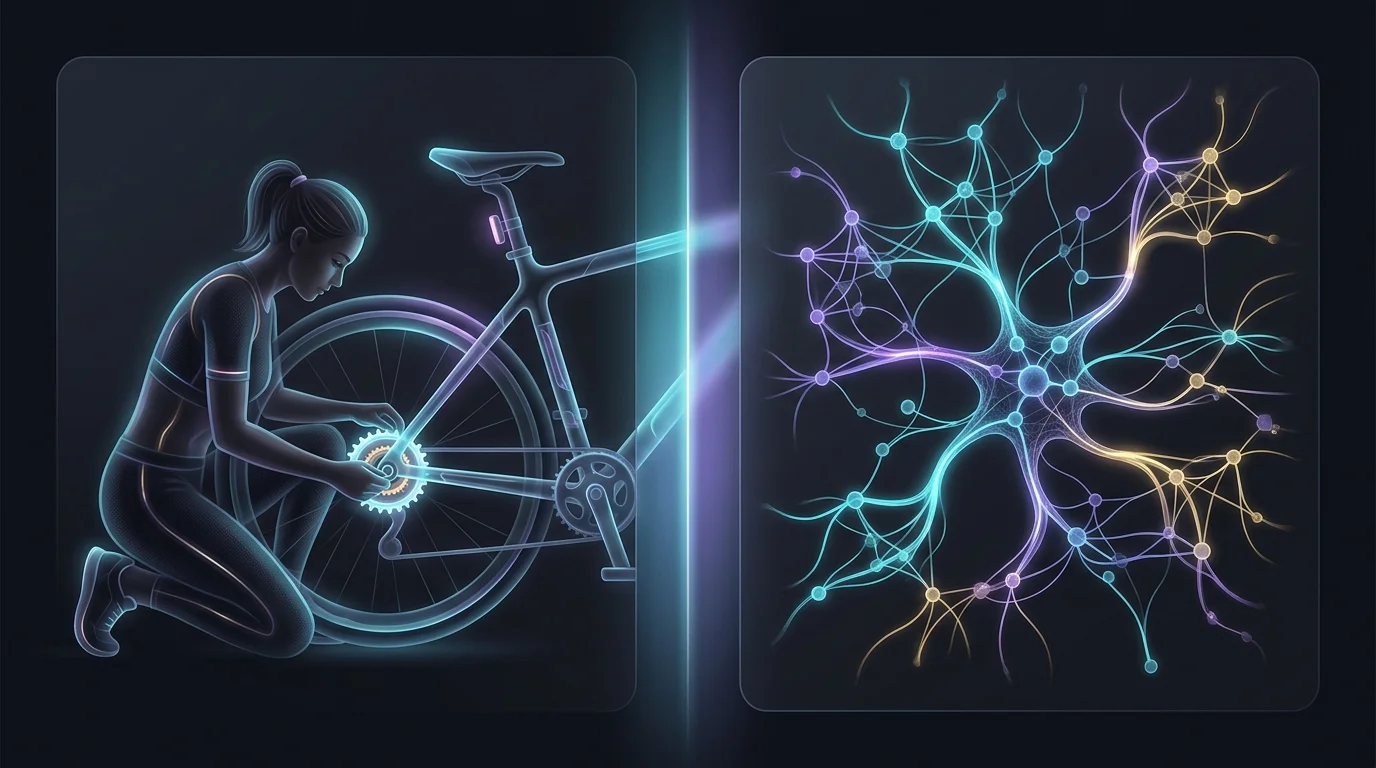
The word adaptive is used loosely across running apps, so it is worth being specific about what each platform actually does. In Runna, adaptation primarily means adjusting the upcoming week if you miss sessions or if your logged performance signals you are under or over the prescribed effort. The core plan structure, including total weekly load and the sequence of workout types, remains relatively stable unless you manually change your goal. See the National Institutes of Health for official guidance.
In TrainAsONE, the adaptation runs deeper. The system continuously models your aerobic and anaerobic fitness based on pace, distance, elevation, and heart rate data from your device. When you complete a hard session that takes more out of you than expected, the following days shift not just in distance but in the mix of stress and recovery. Runners who care about periodisation theory and want a plan that reflects their actual physiology rather than a standard model will find this approach more satisfying, even if the output looks less polished on screen.
The practical difference is most visible over a multi-week training block. Runna’s plan tends to look like what a human coach would write: progressive long runs, clearly labelled workout types, predictable structure. TrainAsONE’s plan can look less conventional because it is optimising for physiological outputs rather than plan readability.
Race Preparation and Long Run Structure
Both platforms support common race distances including 5K, 10K, half marathon, and marathon. Runna provides clear race-specific plans with tapers built in and explicit guidance on what each session is training. The long run progression follows a recognisable pattern that most runners familiar with standard training plans will understand immediately.
TrainAsONE also targets race fitness but frames the taper and race-week approach through its model rather than a fixed template. Some users find the race-week guidance less explicit than they would like, particularly if they are preparing for their first marathon and want a clear day-by-day breakdown. Runna has an edge here for runners who want predictability in the final weeks before a goal race.
User Experience and App Quality
Runna’s app is well-designed by consumer standards. The interface is clean, sessions are easy to log, and integration with Garmin, Apple Watch, and Strava is straightforward. The onboarding flow is short, and most users are looking at a first plan within a few minutes.
TrainAsONE’s interface is functional but less refined. The web and app experience reflects its origins as a science-first platform rather than a consumer product. Runners who are comfortable with data-heavy tools and are willing to spend time understanding how the system works will adapt to it, but users coming from polished consumer apps may find the experience less intuitive at first. This is not a dealbreaker, but it is a real difference in day-to-day usability.
Limitations and Trade-Offs
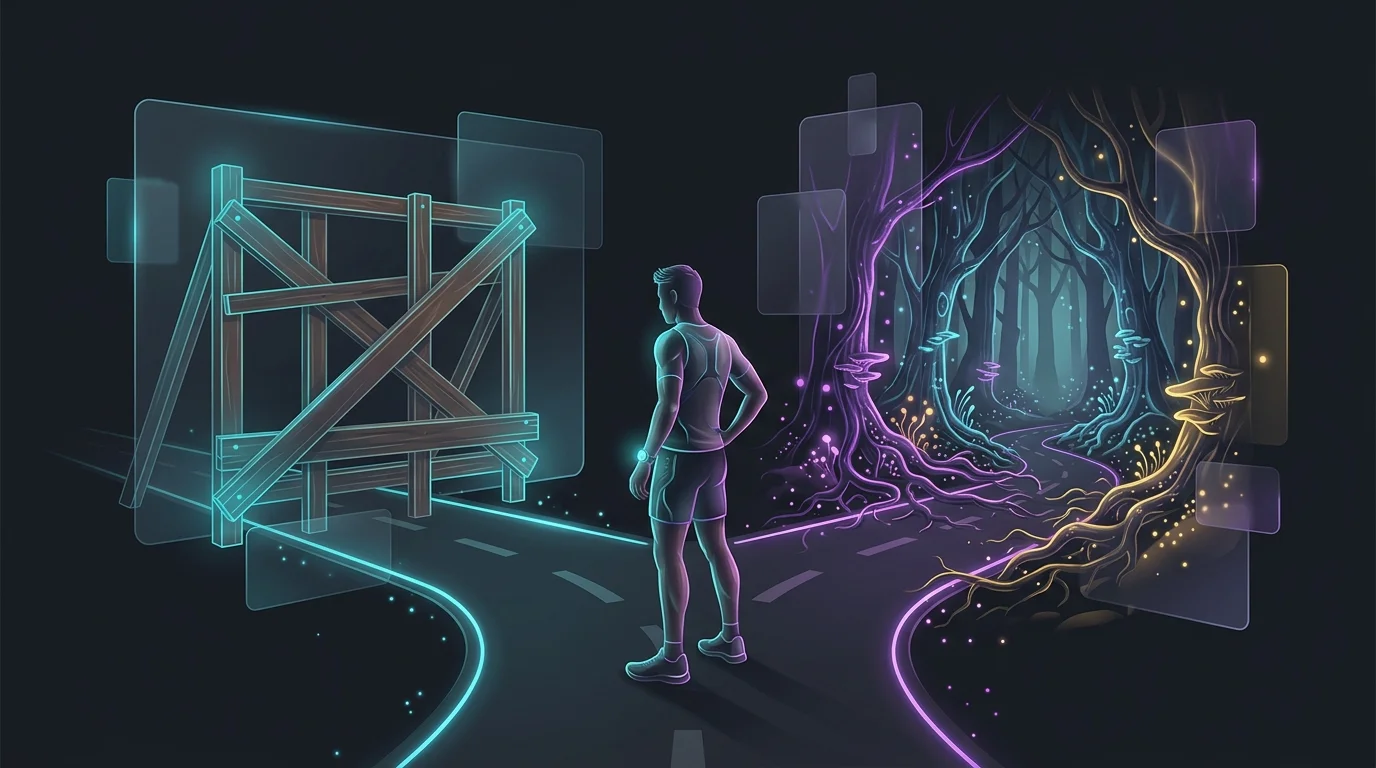
Runna’s main limitation is that its personalisation has a ceiling. The plan adapts, but the underlying structure is built on coaching templates. If your fitness deviates significantly from the assumed trajectory, the plan may not respond as dynamically as a fully adaptive system would. Runners with unusual fitness profiles, such as high aerobic capacity but limited running history, may find the plan does not fit them as precisely as they hoped.
TrainAsONE’s limitation is the opposite: the depth of personalisation requires quality input data. If you do not run with a GPS watch, or if your heart rate data is inconsistent, the model has less to work with and the quality of adaptation drops. The platform also has a learning curve. New users sometimes find the first few weeks of plans feel conservative while the system gathers data. And as noted, the user interface and in-app guidance are less polished than competing products, which affects how easy it is to stay engaged with the plan over months of training.
Neither platform provides meaningful feedback on running form, injury prevention, or recovery beyond load management. Runners dealing with recurring injuries should treat either app as a supplement to professional guidance rather than a replacement.
Which Runner Should Use Which App
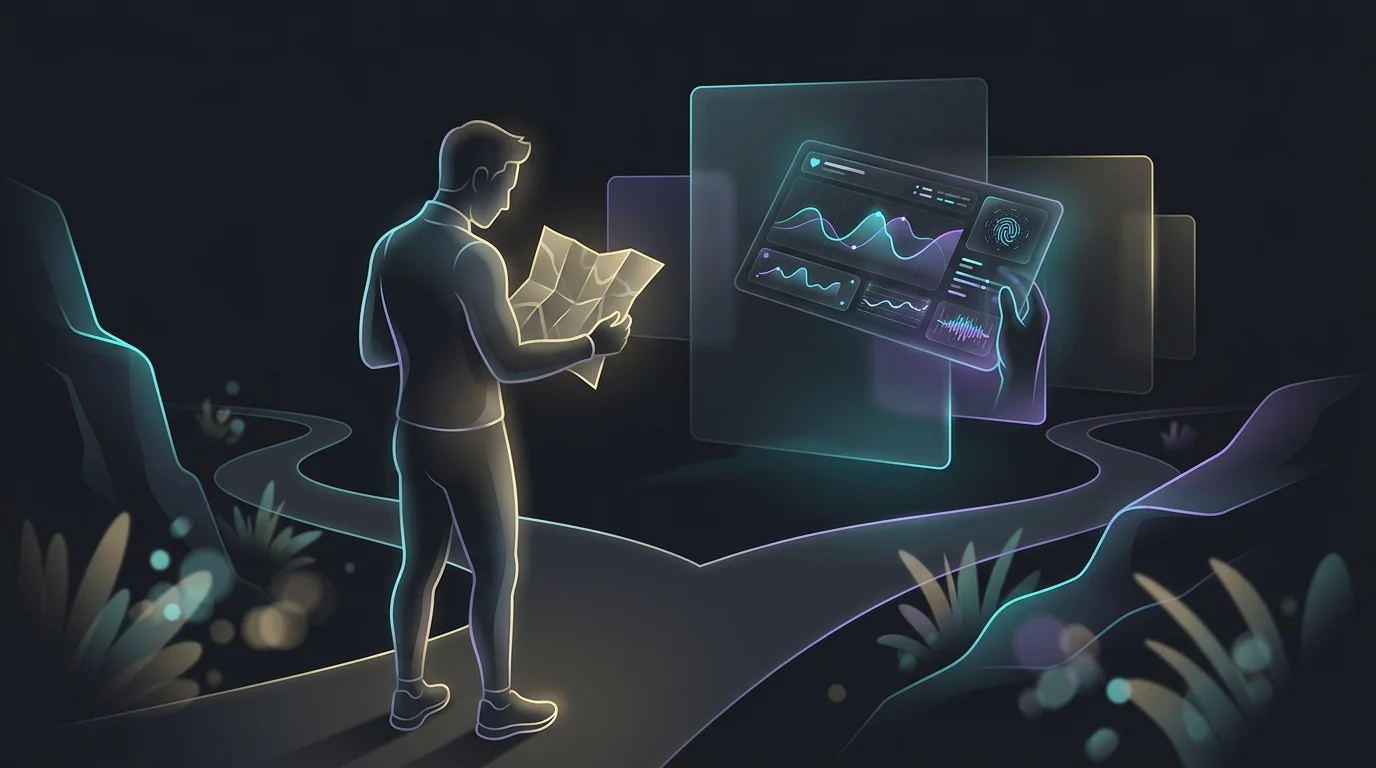
Runna is a strong fit for runners who want a structured plan that is easy to follow, integrates cleanly with their existing devices, and gives them a clear week-by-week roadmap toward a race. It works well for first-time marathon runners, recreational athletes who train three to five days per week, and anyone who values a polished daily experience over maximum algorithmic depth.
TrainAsONE suits runners who have been training consistently for at least a year, use a GPS watch with heart rate data, and want a plan that genuinely reflects their physiology rather than a standard model. Experienced runners preparing for a goal race who have found template-based plans too generic will find the adaptive approach worth the interface trade-off. The runna vs trainasone decision ultimately comes down to how much you trust a system to rewrite your week versus how much you want a human-legible structure you can reason about yourself.
How these tools compare
| Tool | Pricing Model | Best For |
|---|---|---|
| Runna | Paid (free trial available) | Runners who want structured, coach-style plans with a polished app |
| TrainAsONE | Paid (free trial available) | Data-driven runners who want deep adaptive AI personalisation |
Frequently asked questions
Is Runna or TrainAsONE better for a first marathon?
Runna is generally easier to follow for first-time marathoners because it provides a clear progressive structure with explicit session guidance. TrainAsONE is more suitable for runners with an existing training history and performance data.
Does TrainAsONE require a heart rate monitor?
TrainAsONE works better with heart rate data because it uses it to model your fitness more accurately. It can work without it, but the quality of adaptation is reduced if your data is limited to pace and distance.
Can I use both apps at the same time?
You could trial both, but following two plans simultaneously is counterproductive. Pick one to follow for a full training block to fairly assess which approach suits you.
Does Runna adapt the plan if I miss a session?
Yes, Runna adjusts the upcoming schedule if you skip or modify sessions, though the overall plan structure remains relatively stable. It is not a full recalculation of your training model.
Which app is better for 5K or shorter race training?
Both support shorter race distances. Runna’s structured interval and speed sessions are well-suited for shorter race prep. TrainAsONE can also target 5K fitness but may feel like more complexity than necessary for runners focused on short distances.
How does the runna vs trainasone comparison change for experienced ultra runners?
Experienced ultra runners often prefer TrainAsONE because the adaptive model handles non-standard training loads better than template-based plans. Runna’s structured approach is less flexible for the long back-to-back efforts common in ultra training.