

Last reviewed: June 2026
You may have spent $200 on a digital artwork that now sits idle in a wallet. You wonder if you can turn that token into steady profit.
The NFT market moves fast. A single token can swing from $0 to $10,000 in weeks. Knowing where to buy, sell, and store can save you thousands.
This post ranks the top NFT investment platforms, explains fees, security, and tools, and shows how to match a platform to your risk level.
This article provides educational information only and does not constitute financial or legal advice.
Key Takeaways
- OpenSea leads in volume but charges a 2.5% seller fee plus blockchain gas
- LooksRare offers lower fees for active traders and rewards holders with its LRC token.
- X2Y2 provides a flat 1% fee and a built-in escrow for private sales.
- Rarible adds creator royalties on every resale, useful for long-term collectors.
- NFTfi enables fractional lending, letting you earn interest on NFTs you own.
- Always enable two-factor authentication and store private keys in a hardware wallet.
Platform Overview
For a vetted, regularly updated list of tools that can help, explore our AI finance tools directory.
Choosing a platform starts with understanding its core model. Some sites act as pure marketplaces. Others blend marketplace functions with lending or staking. Your choice should reflect how often you trade, how much you care about royalties, and whether you need financing.
OpenSea: The Volume Giant
OpenSea handles the most daily trades. It supports Ethereum, Polygon, and Solana chains. The interface is simple. You can browse collections, filter by price, and see floor price charts.
OpenSea charges a 2.5% fee on each sale. Gas costs depend on the underlying blockchain. On Polygon, transactions are often under $0.01. On Ethereum, gas can rise above $30 during peak periods.
The platform offers a basic verification badge for creators. For investors, the main advantage is liquidity. Most high-volume NFTs sell quickly on OpenSea.
LooksRare: Rewards for Active Traders
LooksRare launched to compete with OpenSea by rewarding users with its LRC token. Every trade earns a small percentage of LRC, which can be sold or staked for additional yields.
Fees are lower: 0.5% for sellers and 0.5% for buyers. The platform also supports Ethereum and Polygon. Because LRC rewards are tied to trade volume, frequent buyers can offset fees.
LooksRare requires users to hold a small amount of LRC to list items. This barrier discourages spam listings but may deter casual investors.
X2Y2: Flat Fee Simplicity
X2Y2 offers a flat 1% fee for all transactions, regardless of chain. It uses a decentralized escrow system that locks the NFT until payment clears. This reduces the risk of fraud in private sales.
The platform supports Ethereum, Arbitrum, and Base. Because fees are predictable, X2Y2 is popular with collectors who value cost certainty.
X2Y2’s UI is less polished than OpenSea’s, but the core functions work well. The escrow feature adds a layer of safety for high-value deals.
Rarible: Creator-First Marketplace
Rarible stands out for its built-in royalty system. Creators set a royalty percentage that automatically applies on every resale. This benefits investors who plan to hold NFTs for years and collect royalty streams.
Rarible charges a 2.5% seller fee, similar to OpenSea. It also supports Ethereum, Polygon, and Flow. The platform offers a “RARI” token that gives governance rights but does not affect transaction costs.
For investors focused on emerging artists, Rarible’s royalty model can add a passive income layer.
NFTfi: Lending and Fractional Ownership
NFTfi is not a traditional marketplace. It connects NFT owners with lenders who provide fiat or stablecoin loans against the NFT as collateral. Borrowers repay with interest, and lenders reclaim the NFT.
Fees are split: a 1% platform fee plus a 0.5% loan origination fee. Interest rates range from 5% to 20% APR, set by the lender. This model lets you earn yield without selling the asset.
NFTfi also supports fractionalization, where an NFT is split into ERC-20 tokens. Investors can buy a fraction of a high-value piece, lowering entry cost.
Comparing Core Features
| Feature | OpenSea | LooksRare | X2Y2 | Rarible | NFTfi |
|---|---|---|---|---|---|
| Primary function | Marketplace | Marketplace + rewards | Marketplace with escrow | Marketplace with royalties | Lending & fractional |
| Base fee | 2.5% | 0.5% buyer + 0.5% seller | 1% flat | 2.5% | 1% + 0.5% loan fee |
| Reward token | None | LRC | None | RARI | None |
| Royalty support | Yes (creator set) | Yes | Yes | Yes (creator set) | N/A |
| Chain support | ETH, Polygon, Solana | ETH, Polygon | ETH, Arbitrum, Base | ETH, Polygon, Flow | ETH, Polygon |
| Ideal user | Casual buyer/seller | High-frequency trader | Private-sale focused | Artist-collector | Investor seeking yield |

Security Practices
All platforms require a crypto wallet. MetaMask remains the most common. Connect the wallet, sign a transaction, and you are ready to trade. Security depends on how you protect the private key.
Use a hardware wallet such as Ledger or Trezor for any amount above $1,000. Enable two-factor authentication on the platform’s web portal, if offered. Beware of phishing sites that mimic the URL.
Never share your seed phrase. If a platform asks for it, walk away. Legitimate services never need your phrase to list or buy an NFT.

Fees and Hidden Costs
Fees are visible at checkout, but gas fees can surprise new users. On Ethereum, a simple transfer may cost $20 to $40 during busy periods. Polygon and Base keep gas under $0.10.
Some platforms add a “creator royalty” on top of the seller fee. For example, a 5% royalty on a $2,000 sale adds $100 to the buyer’s cost. Always check the royalty percentage before bidding.
If you use a credit card to purchase crypto for a marketplace, the exchange may charge an additional 2% to 3%. Factor this into your profit calculations.
How to Choose the Right Platform
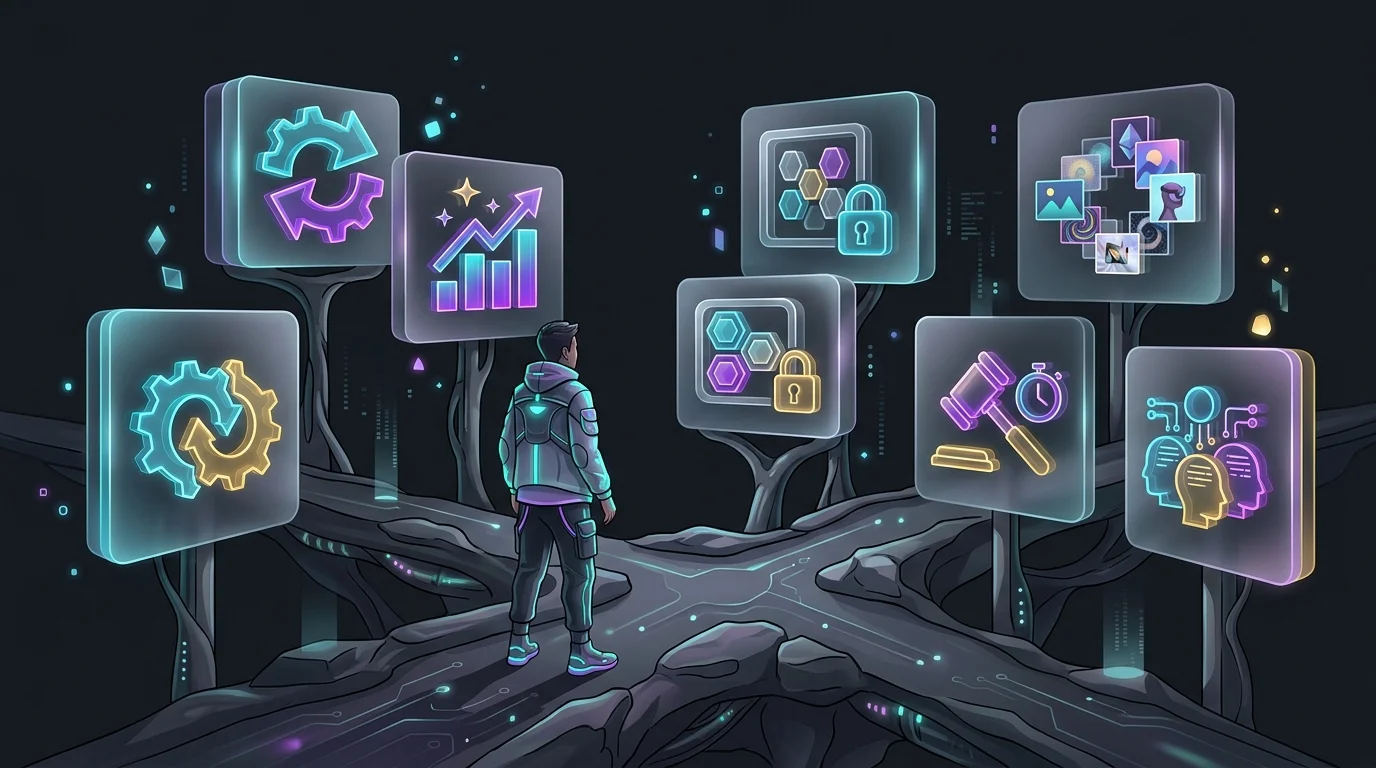
- Determine your trade frequency: If you plan to flip daily, LooksRare’s LRC rewards may offset fees. If you trade monthly, OpenSea’s liquidity may matter more.
- Assess your risk tolerance: X2Y2’s escrow protects high-value private sales. NFTfi’s loans expose you to borrower default risk.
- Consider the chain: If you own many Polygon NFTs, choose a platform that offers low-cost Polygon trades.
- Check royalty preferences: Rarible and Rarible-compatible marketplaces enforce creator royalties, which can add passive income.
- Evaluate UI comfort: OpenSea’s polished UI helps beginners. X2Y2’s interface is functional but less guided.
Tax Implications
The IRS treats NFTs as property. Each sale triggers a capital gain or loss event. Short-term gains (held under one year) are taxed at ordinary income rates. Long-term gains receive lower rates.
If you earn interest on NFTfi loans, that interest counts as ordinary income. Royalty receipts also count as ordinary income.
Keep detailed records of purchase price, sale price, gas fees, and platform fees. Use a spreadsheet or tax software that supports crypto transactions. Always verify the final numbers with a tax professional.
Managing Portfolio Risk
Diversify across chains and asset types. Do not allocate more than 10% of your investable assets to any single NFT. Use fractional ownership on NFTfi to spread exposure to high-value pieces without tying up all capital.
Set stop-loss limits on marketplaces that allow them. Some platforms let you list a sell order at a target price. If the market dips, the order executes automatically.
Rebalance quarterly. Sell underperforming assets and reallocate to emerging collections with strong community support.
Future Trends to Watch
- Layer-2 adoption: More platforms will migrate to Arbitrum and Base, reducing gas dramatically.
- Dynamic royalties: Some creators experiment with royalties that change based on resale price.
- Regulatory clarity: The SEC may issue guidance on NFTs as securities, affecting how platforms handle secondary sales.
- AI-generated art: AI tools are creating high-volume collections. Platforms that vet authenticity may gain a competitive edge.
Related guides
- more on How to Use Social Trading Platforms
- Best DeFi Lending Platforms Reviewed
- details: How to Balance Investment Portfolio
- more on Best Social Trading Platforms Reviewed
- How to Choose Between Robo-Advisors and DIY Investing
- How to Buy and Sell NFTs Safely
- Best Ways to Budget for Hidden Remote Work Costs
Frequently Asked Questions
Which NFT platform has the lowest overall cost?
X2Y2 offers a flat 1% fee and uses a decentralized escrow that removes hidden costs. On low-gas chains like Polygon, total cost can be under 1.5% of the sale price.
Can I earn passive income without selling my NFTs?
Yes. Rarible’s royalty system pays creators on each resale. If you hold an NFT that sells multiple times, you receive a percentage of each sale. NFTfi also lets you earn interest by lending against your NFTs.
Is it safe to use a web-based wallet like MetaMask for large purchases?
Web-based wallets are convenient but expose private keys to the browser environment. For large purchases, connect MetaMask to a hardware wallet. This keeps the private key offline.
How do I avoid high gas fees on Ethereum?
Trade on Layer-2 solutions such as Arbitrum or Base, which many platforms now support. Alternatively, use Polygon for lower fees, but verify that the NFT you want is minted on that chain.
Do I need to pay taxes on NFTs I receive as gifts?
Yes. The IRS treats gifted NFTs as property received at fair market value. The recipient’s cost basis equals the market value on the date of receipt. When sold, capital gains are calculated from that basis.
What happens if a borrower defaults on an NFTfi loan?
If the borrower fails to repay, the lender can claim the NFT collateral through the platform’s liquidation process. The lender may then sell the NFT on an open market to recover the loan amount. This risk is higher for illiquid or niche NFTs.
Related Reading: What Is TrumpRx.gov? Good or Bad? Your Complete Guide to Lower Prescri | Your Guide to the Best Cyber Liability Coverage Options That Won’t Bre | Best Identity Theft Protection Plans in 2025: Secure Your Personal Dat