How to Invest in Foreign Markets: Top Picks for 2026
Last reviewed: June 2026
You want to buy a stock that trades in Tokyo, but your broker only shows U.S. listings. You may feel stuck and wonder if you can reach that $10,000 growth target without leaving the country.
Missing foreign exposure can cost you up to 5 percent of annual returns, according to historical data. That difference adds up to $500 on a $10,000 portfolio each year.
This post shows you how to open a foreign brokerage account, pick the right funds, handle taxes, and avoid common pitfalls. Follow each step and you can start buying non-U.S. assets within weeks.
This article provides educational information only and does not constitute financial or legal advice.
Key Takeaways
- Open a U.S. broker that offers direct access to overseas exchanges or a global ETF platform
- Use a tax-advantaged account when possible, but be aware of foreign tax-credit rules.
- Diversify by region and asset class to reduce currency risk.
- Check each country’s market-access restrictions before placing a trade.
- Keep records of all foreign dividends and capital gains for IRS reporting.
- Review your portfolio quarterly and rebalance to stay aligned with goals.

Choose the Right Access Method
For a vetted, regularly updated list of tools that can help, explore our AI finance tools directory.
You have three main ways to reach foreign markets. Direct overseas accounts let you trade local shares. Global mutual funds and ETFs bundle many foreign stocks in one vehicle. ADRs and GDRs let you buy U.S.-listed shares that represent foreign companies.
Direct accounts give the most choice. They let you buy a small-cap Japanese firm that is not listed in the U.S. The downside is higher fees and more paperwork. Global ETFs are simple. One purchase can give you exposure to all of Europe, for example, with a single expense ratio. ADRs are the easiest for beginners because they settle in dollars and use familiar U.S. market hours.
Pick the method that matches your comfort level and the amount you plan to invest. If you only have $2,000 to start, a broad foreign ETF may be the safest route.
Direct Brokerage Accounts
A handful of U.S. brokers now provide direct market access to Europe, Asia, and Latin America. Look for features such as:
- Multi-currency cash balances.
- Low foreign-exchange (FX) spreads, typically 0.1 percent to 0.3 percent of the trade amount.
- Ability to place limit orders in the local market’s currency.
Examples include Interactive Brokers, Charles Schwab International, and Fidelity International. Opening an account usually requires a copy of your driver’s license, a Social Security number, and a proof-of-address document. Expect a $0 to $25 account-opening fee and a $0 to $10 per trade commission for foreign stocks.
Global ETFs and Mutual Funds
If you prefer a hands-off approach, consider ETFs that track the MSCI EAFE index, the MSCI Emerging Markets index, or region-specific funds like “Asia Pacific ex-Japan.” Expense ratios range from 0.10 percent to 0.45 percent per year. You can buy these funds in any standard brokerage account, including Roth IRAs and 401(k) rollovers.
Mutual funds may have higher minimums, often $2,500 to $5,000, but they sometimes offer active management that can help navigate volatile markets.
ADRs and GDRs
American Depositary Receipts (ADRs) and Global Depositary Receipts (GDRs) are U.S.-listed securities that represent shares of foreign companies. They trade on NYSE or NASDAQ, settle in dollars, and pay dividends in U.S. dollars. Companies like Samsung, Alibaba, and Nestlé issue ADRs.
ADRs usually have a “level” rating. Level 1 ADRs trade over the counter and may be less liquid. Level 2 and Level 3 ADRs list on major exchanges and meet stricter reporting standards. Choose Level 2 or higher for better price transparency.

Set Up a Tax-Efficient Structure
Investing abroad adds tax complexity. The U.S. taxes worldwide income, but you can claim a foreign tax credit for taxes paid to other governments. You must file Form 1116 with your return if you pay more than $300 in foreign tax.
Use Tax-Advantaged Accounts When Possible
You can hold foreign ETFs and ADRs in a Roth IRA, Traditional IRA, or 401(k) if your plan allows. Gains and qualified dividends grow tax-free or tax-deferred, depending on the account type. However, some foreign mutual funds are ineligible for IRA placement because they do not meet “U.S. investment” rules.
Beware of PFIC Rules
A Passive Foreign Investment Company (PFIC) is a foreign corporation that generates most of its income from passive sources. U.S. investors in PFICs face punitive tax treatment unless they make a qualified elect-to-pay-tax election (QEF) or a mark-to-market election. Most ETFs and ADRs are not PFICs, but some direct holdings in foreign mutual funds are.
Check the fund’s prospectus or ask your broker whether the security is a PFIC before buying.
Report All Foreign Income
Even if you receive a $5 dividend from a foreign stock, you must report it on Schedule B of your tax return. Failure to disclose foreign assets over $10,000 can trigger FATCA penalties. Keep electronic statements and transaction records for at least seven years.
Manage Currency Risk
When you buy a German stock priced in euros, your return depends on both the stock’s performance and the EUR/USD exchange rate. A 5 percent gain in the stock can be erased by a 5 percent euro decline.
Hedge With Currency ETFs
If you expect the dollar to weaken, you can buy a currency ETF that tracks the euro. This adds a hedge but also adds cost. Currency-hedged versions of foreign ETFs exist; they automatically offset exchange-rate movements.
Use Dollar-Cost Averaging
Buying a fixed dollar amount each month reduces the impact of short-term currency swings. Over a year, you will have bought more shares when the foreign currency was cheap and fewer when it was expensive.

Follow the Legal and Regulatory Checklist
Investing abroad is legal, but each country imposes its own rules. Some markets restrict foreign ownership of certain sectors, such as defense or utilities.
Verify Market-Access Restrictions
Before you place a trade, confirm that the exchange allows non-resident investors. For example, China’s A-shares are generally off-limits to U.S. investors unless you use a qualified foreign institutional investor (QFII) program or a China-focused ETF.
Understand Withholding Tax Rates
Many countries withhold tax on dividends at source. The rate varies: Japan 15 percent, the United Kingdom 0 percent for U.S. residents (due to a tax treaty), and Brazil 15 percent. The foreign tax credit can offset these amounts, but you must file the proper forms.
Keep Your Account Information Updated
Regulators require brokers to verify your identity annually under the “Know Your Customer” (KYC) rules. Failure to update your address or phone number can result in a frozen account and missed trade opportunities.
Build a Diversified Foreign Portfolio
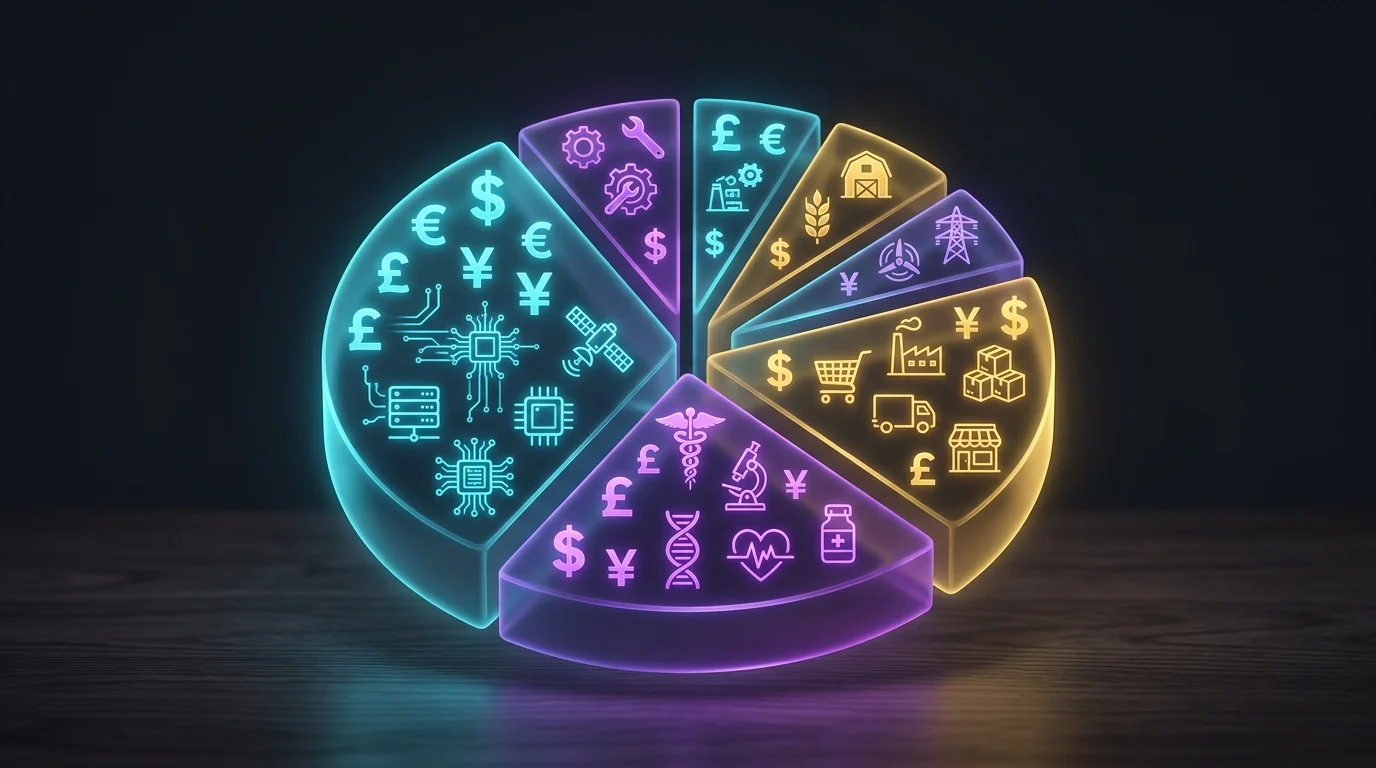
Diversification reduces risk. Aim for exposure across three dimensions: region, market-cap, and sector.
Regional Allocation
- Developed markets: Europe, Japan, Canada. Provide stability and lower volatility.
- Emerging markets: Brazil, India, Indonesia. Offer higher growth potential but higher risk.
- Frontier markets: Kenya, Vietnam. Small share of total portfolio, usually under 5 percent.
Market-Cap Mix
Large-cap stocks (e.g., Toyota, Nestlé) give liquidity and steady dividends. Mid-cap and small-cap stocks can boost growth but may be harder to trade abroad. Use a blend of large-cap ETFs and selective direct purchases.
Sector Balance
Avoid overconcentration in a single sector such as energy. Include consumer staples, technology, healthcare, and financials. A typical allocation might be 30 percent technology, 20 percent consumer, 20 percent healthcare, 15 percent financials, 15 percent other.
Monitor, Rebalance, and Stay Informed
Foreign markets react to geopolitical events, currency shifts, and local policy changes. A quarterly review helps you stay aligned with your goals.
Set Alerts for Major Events
Use a news service or broker alerts for elections, central-bank rate changes, and trade-policy announcements. A sudden tariff on steel can affect European industrial stocks.
Rebalance Based on Target Weights
If your European allocation rises from 20 percent to 30 percent after a strong rally, sell enough to bring it back to target. Rebalancing costs can be minimized by using low-cost ETFs and limiting trades to once per quarter.
Keep Learning
Follow reputable sources such as the Financial Stability Board, the International Monetary Fund, and the U.S. Treasury’s Office of International Affairs. Understanding macro trends improves your timing and asset selection.
Frequently Asked Questions
Can I buy foreign stocks with a standard Roth IRA?
Yes, you can hold most foreign ETFs, ADRs, and some direct foreign stocks in a Roth IRA. Check that the security is eligible for IRA placement, as certain foreign mutual funds are excluded.
What is the cheapest way to get exposure to emerging markets?
A low-expense emerging-markets ETF, such as one tracking the MSCI Emerging Markets index, typically costs 0.10 percent to 0.20 percent per year. It provides broad exposure with a single trade.
Do I need a separate account for each foreign currency?
Not usually. Brokers that offer multi-currency balances let you hold dollars, euros, yen, and other currencies in one account. You convert only when you place a trade, paying the broker’s FX spread.
How does the foreign tax credit work?
If a foreign government withholds 15 percent tax on a dividend, you can claim that amount as a credit against your U.S. tax liability on the same income. You file Form 1116 to calculate the credit. The credit cannot exceed the U.S. tax owed on the foreign income.
Are there limits on how much I can invest abroad?
There is no federal cap on foreign investments for individual investors. However, some countries limit the percentage of a company that non-residents can own. Review the prospectus or consult a licensed agent for those cases.
What happens if the exchange I trade on shuts down temporarily?
Most major exchanges have contingency plans and will resume trading within hours. Your broker will typically hold orders until the market reopens. Keep an eye on official exchange communications during extreme events.
Related Reading: What Is TrumpRx.gov? Good or Bad? Your Complete Guide to Lower Prescription Drug Prices in 2026 | Your Guide to the Best Cyber Liability Coverage Options That Won’t Break the Bank | Best Identity Theft Protection Plans in 2025: Secure Your Personal Data Now