How to Stop Revenge Spending After a Breakup: Top Picks for 2026
Last reviewed: June 2026
You ended a relationship that lasted three years. You feel angry, hurt, and want to prove you are fine. The first thing you do is swipe your credit card for a new outfit, a pricey dinner, or a weekend trip. The bill shows up a month later and your savings dip below $500.
That kind of spending can turn a painful split into a financial crisis. One missed payment can raise your credit score by ten points, and a $1,000 impulse purchase can delay a home-down-payment by years.
This post shows you how to recognize revenge spending, set up barriers, and rebuild a healthy budget. You will get a clear plan you can start tonight.
This article provides educational information only and does not constitute financial or legal advice.
Key Takeaways
- Track every expense for 30 days to see patterns
- Freeze or limit access to high-interest credit cards.
- Create a “fun fund” with a set weekly limit.
- Replace shopping triggers with low-cost activities.
- Set short-term financial goals that give you a sense of progress.
- Review your plan each month and adjust as needed.

Understand the Psychology Behind Revenge Spending
For a vetted, regularly updated list of tools that can help, explore our AI finance tools directory.
Revenge spending is a way to fill an emotional void. The brain releases dopamine when you buy something new, giving a brief lift. The effect fades quickly, leaving the same hurt behind.
Identify the moments that push you toward a purchase. Is it scrolling Instagram after a text from your ex? Is it a night out with friends who keep talking about their new relationships? Write down the cue, the feeling, and the action. This simple log helps you see the loop.
When you catch yourself reaching for a card, pause. Take three deep breaths and ask: “Am I buying this for me or to prove something?” A moment of reflection can stop the impulse before it starts.
Build a Financial Safety Net Before You Cut Ties
If you have no emergency fund, a breakup can drain any remaining cash. Aim to save at least $1,000 as a buffer. Put the money in a high-yield savings account that you can access without penalty.
While you build that cushion, move any discretionary credit cards to a different bank or ask for a temporary credit limit reduction. A lower limit makes it harder to rack up a large balance during an emotional binge.
Create a Structured Budget That Leaves Room for Fun
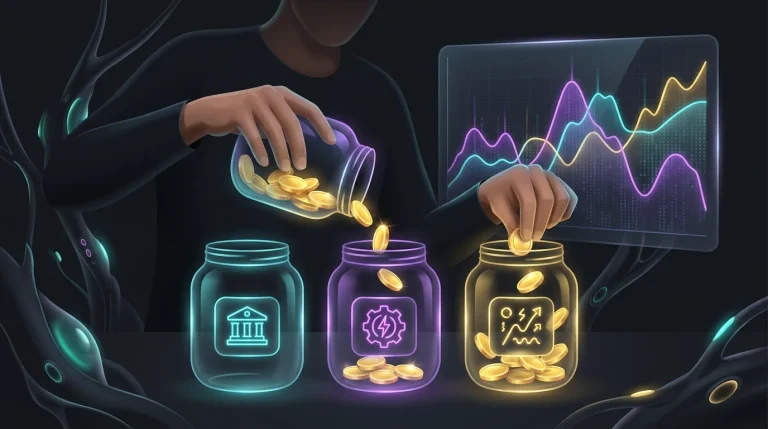
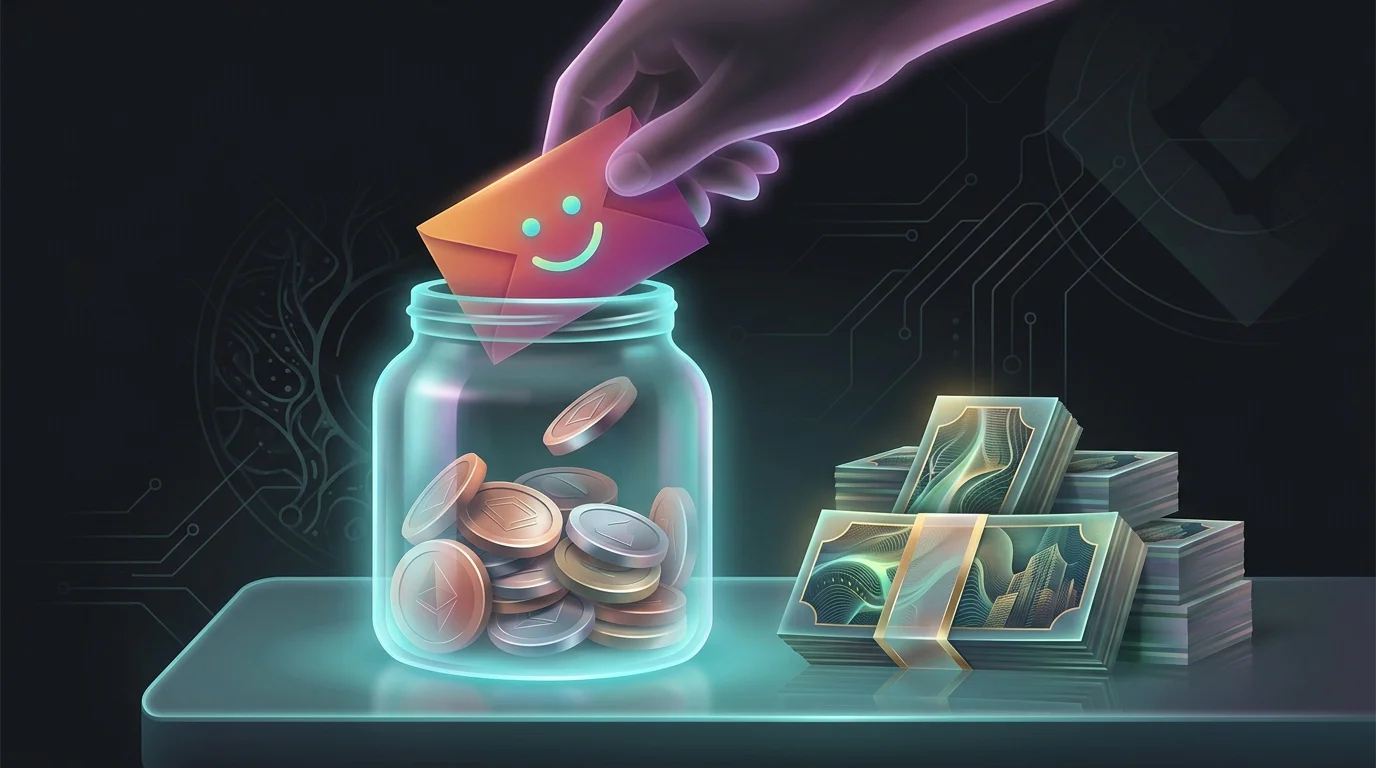
A strict budget that eliminates all enjoyment will feel like another punishment. Instead, allocate a modest “fun fund” each week.$20 to $40 depending on your income. Use cash or a prepaid debit card for these purchases only.
All other spending categories.groceries, rent, utilities, transportation.should be covered first. Any money left over at the end of the month goes back into your emergency fund or a savings goal like a new car or a vacation that you plan for later.

Replace Shopping Triggers With Low-Cost Alternatives
If your favorite outlet mall is a habit, find a free alternative. Public parks, community events, or library workshops can provide a change of scenery without a price tag. Join a local sports league or a book club; the social interaction satisfies the need for validation.
When you feel the urge to shop online, set a timer for 15 minutes and browse a hobby site instead.DIY projects, cooking videos, or fitness tutorials. Most people find the urge passes once they shift focus.

Use Technology to Enforce Limits
Many banking apps let you set spending alerts. Enable a notification for any transaction over $25. Some apps also allow you to lock a card for a set period. Use these tools during the first 60 days after the breakup.
If you prefer a manual approach, write a check to yourself for the amount you plan to spend on fun each week. Keep the check in a drawer and only cash it on Saturday. The extra step creates friction that reduces impulse buys.
Set Short-Term Financial Goals That Give Immediate Rewards
Seeing progress keeps you motivated. Choose a goal that you can achieve in 30 to 90 days, such as saving $500 for a future travel fund or paying off a $200 credit-card balance.
Track your progress on a wall calendar. Mark each day you stay within your budget with a green sticker. After two weeks of green stickers, treat yourself to a low-cost reward like a homemade dinner or a movie night at home.
Review and Adjust Your Plan Monthly
At the end of each month, pull your bank statements and compare them to your budget. Note any categories where you overspent and ask why. Did a friend’s birthday cause an extra $50 expense? Adjust your fun fund for the next month to account for predictable events.
If you find you consistently need more for groceries or transportation, reallocate funds from less essential categories. The plan is a living document, not a rigid rule.
Seek Support From Friends or Professionals
Tell a trusted friend about your budget plan. Ask them to check in with you weekly. Some people find it helpful to share their spending tracker screen during a video call.
If you notice the urge to spend is tied to deeper emotional issues, consider speaking with a therapist. Many community health centers offer sliding-scale counseling that can help you process the breakup without turning to retail therapy.
Frequently Asked Questions
How long does revenge spending typically last after a breakup?
Most people experience the strongest urges in the first six weeks. The intensity drops as you rebuild routine and find new sources of happiness. If urges persist beyond three months, it may signal underlying stress that needs professional help.
Should I close all my credit cards after a breakup?
Closing every card can hurt your credit score by reducing available credit. Instead, keep one card with a low limit for essential purchases and freeze the others. You can reopen them later when you feel more stable.
What is a realistic amount for a weekly “fun fund”?
A good range is 5 to 10 percent of your take-home pay. For someone earning $3,000 per month after taxes, that works out to $38 to $75 per week. Adjust the amount if you have high fixed expenses.
Can I use cash only to avoid revenge spending?
Cash creates a physical barrier that many find effective. Withdraw your weekly fun fund in cash and leave the rest of your money in a savings account. Once the cash is gone, you cannot spend more without a deliberate decision.
How do I rebuild my savings after a binge spending spree?
Start by pausing all nonessential purchases for two weeks. Redirect the money you would have spent into a high-yield savings account. Set an automatic transfer each payday, even if it is only $10. Consistency beats large, irregular deposits.
Is it okay to treat myself with a big purchase after I have saved for a while?
A single planned reward can be healthy if it does not jeopardize your emergency fund or debt repayment plan. Choose a purchase that truly adds value.like a quality laptop for remote work.rather than a fleeting fashion item. Document the decision and stick to the budget you set for that reward.