

Last reviewed: June 2026
You finish a freelance graphic design contract for $4,800 and then wait two months for the next gig. In that gap you still have rent, utilities, and food bills.
Missing a payment can force you to dip into credit cards or ask friends for cash. Those shortcuts add interest or strain relationships.
This post shows you how to smooth cash flow, protect your credit, and keep your creative work thriving. We cover budgeting, How Much to Save in an Emergency Fund? Expert Advices, tax planning, insurance, and tools that work for freelancers.
This article provides educational information only and does not constitute financial or legal advice.
Key Takeaways
- Build a three-month expense buffer in a high-yield savings account
- Use a zero-based budget that assigns every dollar of expected income to a specific purpose.
- Set aside 25-30 % of each payment for taxes and quarterly filing.
- Choose a health plan that offers a fixed monthly premium, even if you are self-employed.
- Automate bill payments and savings transfers on the day you receive a client payment.
- Leverage a low-interest line of credit as a safety net, not a regular expense.
Create a Zero-Based Budget That Matches Your Income Cycle
For a vetted, regularly updated list of tools that can help, explore our AI finance tools directory.
A zero-based budget forces you to decide where every dollar goes before you spend it. For a creative professional with irregular income, the budget must be flexible enough to handle months with $0 and months with $10,000.
Start by listing your fixed monthly costs: rent, utilities, internet, Health Insurance Appeals Process: Step-by-Step Guide, and minimum debt payments. Add variable costs such as groceries, transportation, and marketing. Finally, include a “buffer” line for unpredictable expenses like software upgrades or client travel.
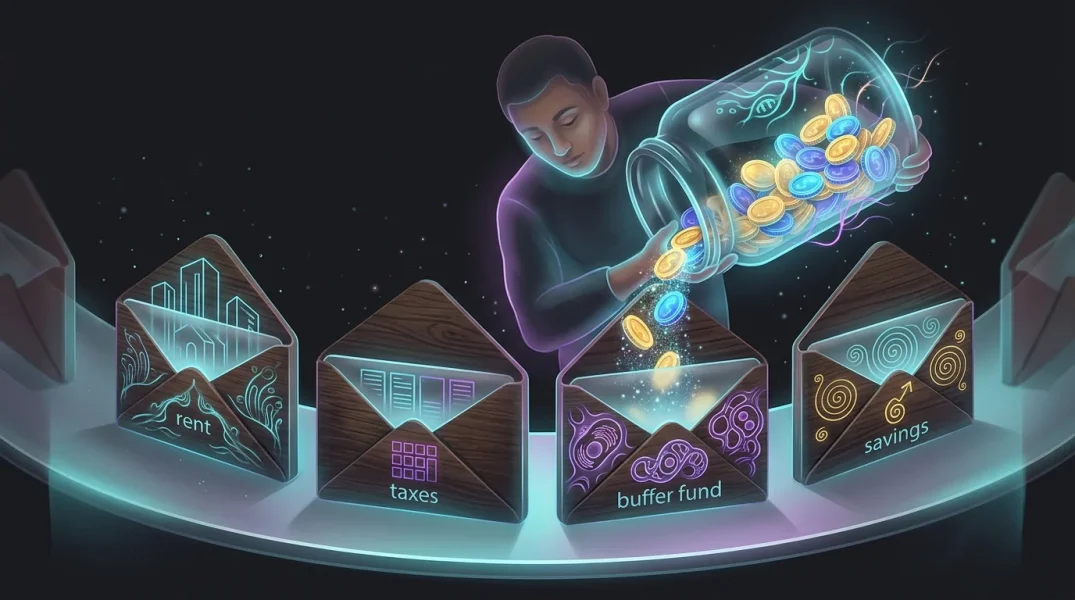
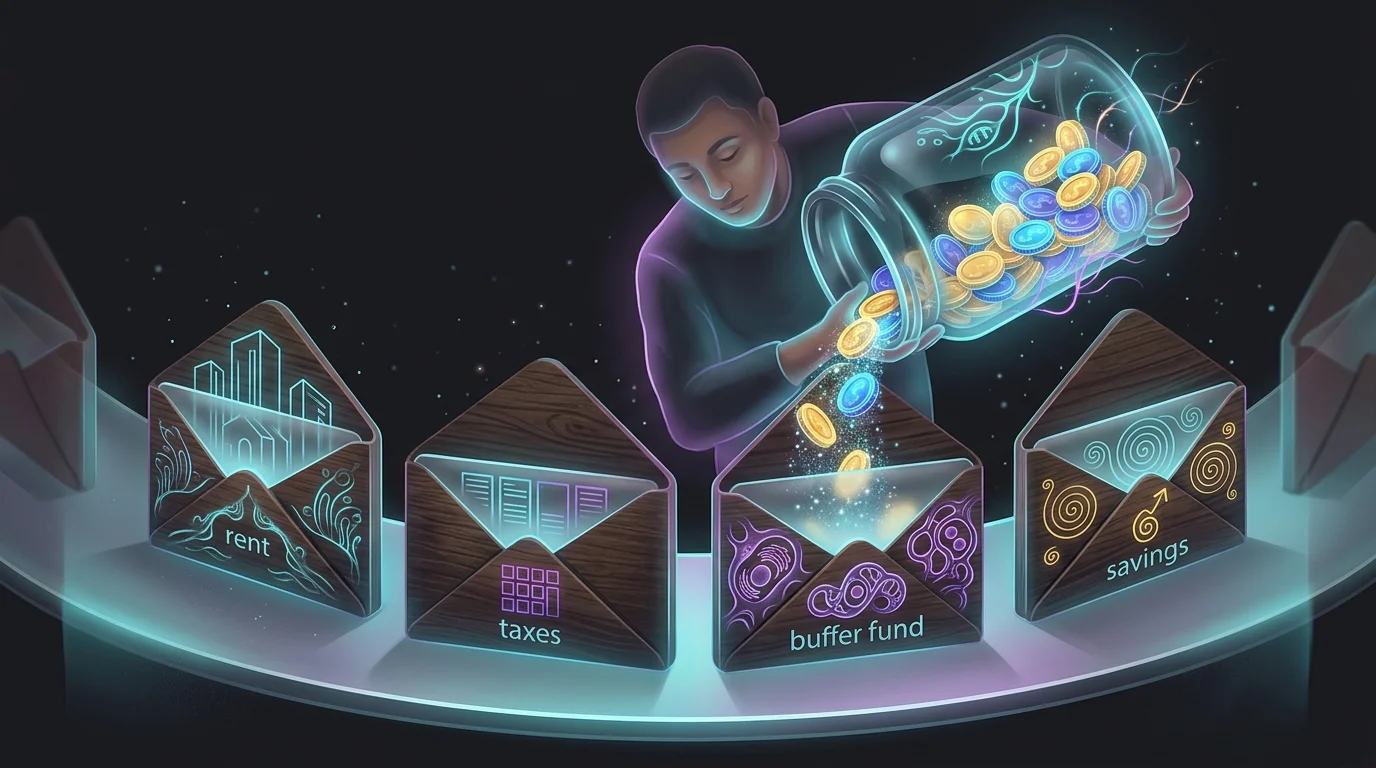
When you receive a payment, allocate it to the lines in this order: buffer, taxes, savings, then discretionary spending. If a month ends with leftover cash, roll it into the buffer for the next low-income month.

Build an Emergency Fund That Covers Three to Six Months
An emergency fund is the single most important shield against income gaps. Aim to save enough to cover three to six months of total expenses, not rent. For a freelancer whose average monthly outflow is $3,200, a six-month fund equals $19,200.
Open a high-yield online savings account that offers easy transfers but no monthly fees. Deposit a set percentage of each client payment.15 % works for many creatives.until you hit the target. Keep the fund separate from your operating account so you are not tempted to spend it on business costs.

Set Aside Taxes Every Time You Get Paid
Self-employment tax, federal income tax, and possibly state tax can total 25-30 % of net earnings. The IRS requires quarterly estimated payments for most freelancers. Missing a deadline can trigger penalties.
Calculate your tax estimate after each payment. Multiply the net amount by 0.28 (or your personal rate) and move that sum into a dedicated “Tax Savings” account. Schedule automatic transfers on the same day you receive the client’s money. When the quarterly deadline arrives, you will already have the full amount ready to remit.

Choose a Fixed-Premium Health Insurance Plan
Health insurance is a major expense that can swing wildly for freelancers who rely on marketplace plans that change each enrollment period. Look for a plan with a fixed monthly premium and a predictable deductible. Even if the premium is slightly higher, the certainty helps you budget.
If you qualify, consider a Health Savings Account (HSA) linked to a high-deductible plan. Contributions are tax-deductible, grow tax-free, and can be used for qualified medical costs. An HSA also serves as an additional emergency buffer.
Automate Bill Payments and Savings Transfers
Manual payments are easy to miss when you are juggling multiple projects. Set up automatic transfers for recurring bills.rent, utilities, internet, and insurance.on the day you expect to receive income. If a month’s payment is delayed, the automation will simply fail, and you will receive a notification to address it before a late fee occurs.
Similarly, automate transfers to your emergency fund, tax account, and retirement account. Treat these moves as non-negotiable expenses, like rent.
Use a Low-Interest Business Line of Credit as a Safety Net
A line of credit (LOC) gives you access to cash without the high interest of credit cards. Many banks and credit unions offer LOCs to self-employed borrowers with rates around 6-9 % APR. Apply when your credit is strong and you have a solid cash-flow history.
Reserve the LOC for true emergencies.unexpected equipment repair or a short-term cash crunch.not for routine spending. Pay down the balance as soon as your next client payment arrives to keep interest costs low.
Diversify Income Streams to Reduce Volatility
Relying on a single type of client work amplifies income swings. Add complementary streams such as selling digital assets on marketplaces, teaching online workshops, or licensing your existing work. Even a modest $500-per-month side stream can turn a $0 month into a manageable $500 shortfall.
Track each stream separately in your budget. This visibility helps you see which activities provide the most stable cash flow and where to invest more time.
Protect Your Business with Liability and Professional Insurance
Creative professionals face legal risks.copyright claims, contract disputes, or client injuries on a shoot. A professional liability policy caps your out-of-pocket costs for legal defense and settlements. Look for policies that charge a flat monthly premium rather than a per-claim fee.
Shop around through the state insurance department’s consumer portal or a reputable broker. Compare coverage limits, exclusions, and deductible amounts before committing.
Leverage Accounting Software Tailored for Freelancers
Modern accounting tools can sync with your bank, generate invoices, and track tax deductions automatically. Choose a platform that offers a free tier or low monthly cost (under $15) and integrates with popular payment processors like Stripe or PayPal.
Set up rule-based categorization so each invoice payment is instantly split into “Income,” “Tax Savings,” and “Business Expenses.” This reduces manual entry and ensures you never forget to allocate a portion for taxes or savings.
Review and Adjust Your Plan Quarterly
Every three months, pull your actual income and expense numbers and compare them to your budget. Identify months where you over-spent or under-saved. Adjust the percentage you allocate to each bucket for the next quarter.
If your emergency fund is fully funded, consider directing extra cash to retirement accounts such as a Solo 401(k) or a SEP IRA. Those accounts allow contributions up to $66,000 (as of 2026) and provide tax-deferred growth.
Related guides
- How Creator Economy Changes Traditional Financial Planning
- How to Create Multiple Income Streams
- Niche Professional Finance
- a closer look at How to Build Business Credit
- How to Determine the Right Emergency Fund Size for You
- How to Budget as a Real Estate Agent with Commission-Only Income
- Best Way to Build Wealth as a Gig Economy Worker
- Best Ways to Manage Finances When Your Spouse Has Dementia
Sources
Frequently Asked Questions
How much should I keep in a business emergency fund versus a personal one?
Keep a business fund that covers three months of operating costs.software, marketing, and equipment. Keep a personal fund that covers three to six months of living expenses. Separate accounts prevent mixing business and personal cash.
Can I use a credit card for tax payments without penalty?
You can pay estimated taxes with a credit card, but the processor adds a fee (usually 2-3 %). The fee often outweighs any rewards points you earn. Use a low-interest LOC or a debit transfer instead.
What is the best retirement account for a self-employed creative?
A Solo 401(k) offers the highest contribution limits and allows both employee and employer contributions. A SEP IRA is simpler to set up and has a high limit, but it lacks the employee contribution option.
How often should I revisit my insurance coverage?
Review health, liability, and equipment insurance at least once a year or when you add a new service line. Changes in income or family status may also require adjustments.
Are there any tax deductions unique to creative professionals?
Yes. Home office expenses, software subscriptions, equipment depreciation, and professional development courses are all deductible. Keep receipts and log usage percentages for any shared resources.
What if a client pays late and my automated bills are due?
Most banks allow you to set a “grace period” for outgoing transfers. If a payment fails, you will receive an alert. Contact the biller immediately, explain the situation, and arrange a short extension. Most utilities and landlords are willing to accommodate a one-time delay.