


Last reviewed: June 2026
You own a savings account that earns 0.5 % interest. You want a better return but lack the cash to buy a whole rental property. Tokenized real estate lets you buy a slice of a building for a few hundred dollars.
The difference shows up in your portfolio. A $5,000 token can earn 6 % annual yield, adding $300 each year. Over five years that extra cash can cover a car payment or fund a vacation.
This post explains how tokenized real estate works, lists the top platforms as of 2026, compares fees and risks, and tells you how to start investing safely.
This article provides educational information only and does not constitute financial or legal advice.
Key Takeaways
- Tokenized real estate lets you own a fractional share of a property through a blockchain token
- The leading platforms in 2026 are RealT, Brickblock, and Harbor, each with different property focus and fee structures.
- Expect annual management fees between 0.5 % and 2 % of the asset value, plus a small transaction fee on purchase or sale.
- Diversify by buying tokens in different cities and property types to reduce concentration risk.
- Verify that each token is backed by a legally enforceable deed and that the platform is registered with the appropriate regulator.
- Keep records of token purchases for tax reporting; many platforms provide 1099-type statements at year-end.

How Tokenized Real Estate Works
For a vetted, regularly updated list of tools that can help, explore our AI finance tools directory.
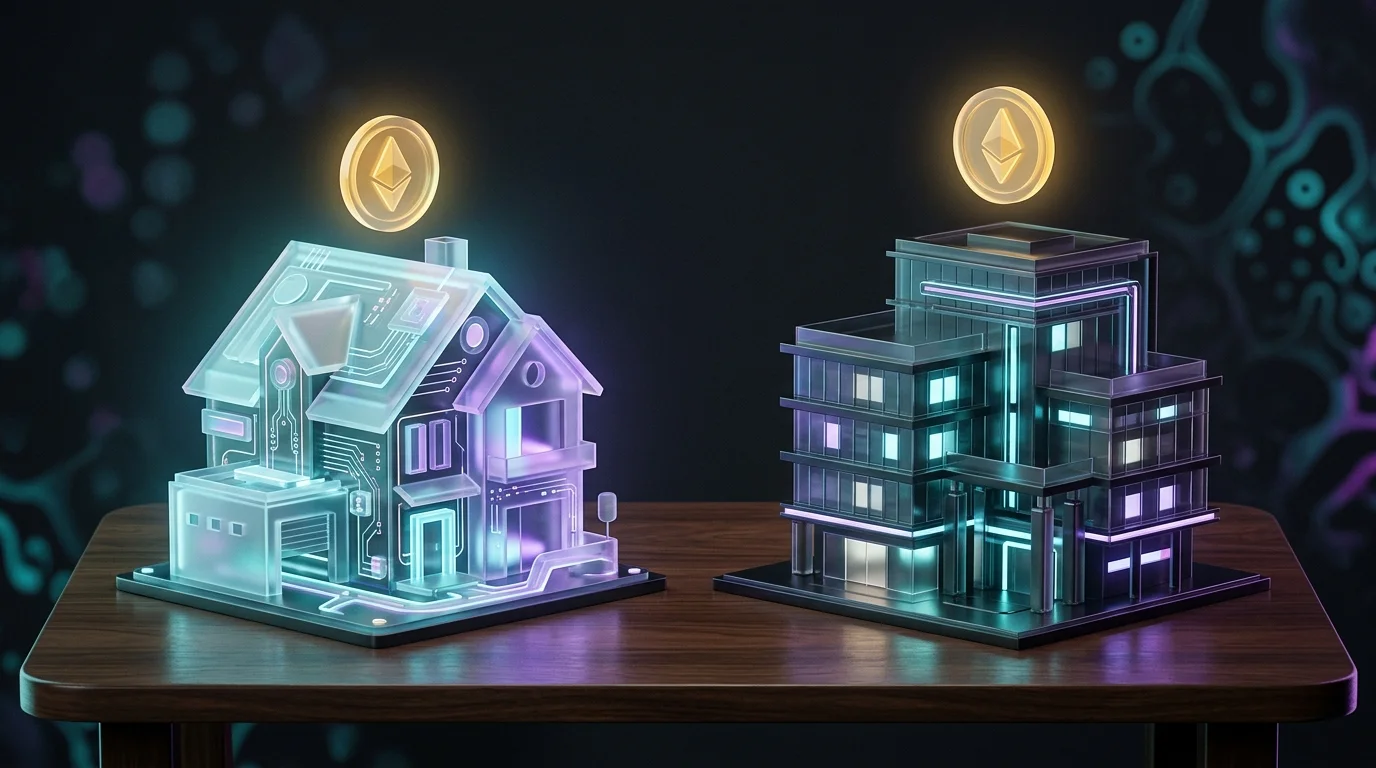
Tokenized real estate converts ownership of a property into digital tokens on a blockchain. Each token represents a proportionate share of the deed, rental income, and appreciation.
The process starts when a sponsor buys a property, then creates a smart contract that issues tokens. Investors buy tokens using fiat or cryptocurrency. The smart contract distributes rental cash flow automatically to token holders.
Because tokens are recorded on a public ledger, transfers happen instantly without a title company. However, the underlying legal structure still relies on a special purpose vehicle (SPV) that holds the deed. The SPV agreement ties the token to the real-world asset.
Why Tokens Are Different From REITs
A real estate investment trust (REIT) pools money from many investors and trades shares on a stock exchange. REIT shares represent a claim on the trust’s portfolio, not a specific property.
Tokens, by contrast, are linked to a single property or a small group of properties. This gives investors clearer insight into cash flow and potential appreciation. Tokens also avoid the high minimums typical of private real-estate funds.
Risks You Must Consider
Token ownership does not guarantee liquidity. While a secondary market exists, prices can be volatile and you may need to wait weeks to sell.
Regulatory risk remains high. The SEC continues to scrutinize token offerings. If a platform loses its exemption, tokens could be frozen.
Property risk is unchanged. Vacancies, maintenance costs, and local market downturns affect returns.
Top Tokenized Real Estate Platforms in 2026
Below are the platforms that consistently rank highest for asset quality, regulatory compliance, and investor support. All are operating in the United States and have filed the necessary securities disclosures.
RealT
RealT focuses on single-family homes and small apartment buildings in mid-size markets such as Detroit, Cleveland, and Memphis.
- Minimum investment: $250 per token.
- Average annual yield: 5.8 % to 7.2 % after fees.
- Fees: 1 % asset management fee, 0.5 % transaction fee on purchase.
- Compliance: Registered with the SEC under Regulation D, provides 1099-K at year-end.
RealT’s dashboard shows rent collected, expenses, and net cash flow in real time. The platform also offers a secondary market where tokens can be listed for resale.
Brickblock
Brickblock targets commercial properties such as office buildings and mixed-use developments in major metros like Austin and Denver.
- Minimum investment: $1,000 per token.
- Average annual yield: 6.5 % to 8.0 % after fees.
- Fees: 1.5 % asset management fee, 1 % transaction fee.
- Compliance: Operates under a Reg A+ offering, allowing non-accredited investors to participate.
Brickblock provides quarterly performance reports and a dedicated investor relations team. The platform’s secondary market is integrated with major crypto exchanges, offering broader liquidity.
Harbor
Harbor specializes in institutional-grade multifamily assets in coastal cities such as Miami and Seattle.
- Minimum investment: $5,000 per token.
- Average annual yield: 4.9 % to 6.3 % after fees.
- Fees: 0.5 % asset management fee, 0.75 % transaction fee.
- Compliance: Holds a registered broker-dealer license and complies with FINRA rules.
Harbor’s tokens are issued on a private, permissioned blockchain, which adds an extra layer of security. The platform offers a buy-back program that guarantees a minimum resale price after three years.
Comparison Snapshot
| Platform | Property Focus | Min. Investment | Typical Yield | Asset Mgmt Fee | Transaction Fee |
|---|---|---|---|---|---|
| RealT | Residential | $250 | 5.8-7.2 % | 1 % | 0.5 % |
| Brickblock | Commercial | $1,000 | 6.5-8.0 % | 1.5 % | 1 % |
| Harbor | Multifamily | $5,000 | 4.9-6.3 % | 0.5 % | 0.75 % |

How to Choose the Right Token
Start by defining your investment goal. If you want a low entry point and easy cash flow monitoring, RealT fits best. If you aim for higher yields and can tolerate a larger minimum, Brickblock may suit you. For investors seeking institutional-grade assets and a buy-back guarantee, Harbor is the clear choice.
Next, assess the location risk. Cities with strong job growth and low vacancy rates tend to produce steadier rent. Look for platforms that publish local market data, such as employment trends and population growth.
Finally, check the fee schedule. A higher yield can be eroded by a large management fee. Use this simple formula:
Net Yield = Gross Yield to Asset Management Fee to Transaction Cost (annualized).
If Brickblock shows a 7 % gross yield but charges 1.5 % management, the net may be lower than RealT’s 6 % net after its 1 % fee.
Steps to Invest in Tokenized Real Estate
- Open a compliant brokerage account. Choose a platform that supports fiat deposits and can hold the token’s blockchain (Ethereum or Polygon are common).
- Complete KYC/AML verification. All three top platforms require identity verification to meet SEC rules.
- Fund your account. Transfer the amount you plan to invest. Most platforms accept ACH transfers; some also accept stablecoins.
- Select a property token. Review the prospectus, projected cash flow, and legal documents.
- Execute the purchase. Confirm the transaction, pay the purchase fee, and receive the token in your digital wallet.
- Monitor performance. Use the platform’s dashboard to track rent collections, expenses, and net cash flow.
- Plan for tax reporting. At year-end, download the 1099-K or equivalent statement. Report rental income and any capital gains on your tax return.
Tax Implications of Tokenized Real Estate
The IRS treats tokenized real estate tokens as securities that generate rental income. You must report that income on Schedule E.
If you hold a token for more than one year before selling, any profit is taxed at long-term capital gains rates (0 % to 20 % depending on your bracket). Short-term gains are taxed as ordinary income.
Some platforms allow you to claim depreciation on the underlying property. Depreciation reduces taxable income but may trigger recapture tax when you sell. Keep detailed records of your purchase price, allocation of costs, and depreciation claimed.

Liquidity Options and Exit Strategies
Because tokens are not listed on major stock exchanges, liquidity depends on secondary markets and platform buy-back programs.
- Secondary market sales. List your token on the platform’s marketplace or on partnered crypto exchanges. Expect a spread of 5 % to 10 % between bid and ask prices.
- Buy-back guarantees. Harbor offers a guaranteed minimum price after three years, which can be useful if you need cash quickly.
- Holding to maturity. Some tokens are structured with a planned exit after a set period, usually five to seven years, when the property is sold.
Plan your exit before you buy. If you need cash within two years, choose a platform with a strong secondary market. If you can wait longer, a buy-back guarantee may provide peace of mind.
Common Pitfalls and How to Avoid Them
- Ignoring the SPV structure. The token’s legal claim rests on the SPV. Verify that the SPV documents are filed with the county recorder.
- Overlooking hidden fees. Some platforms charge a performance fee on profits. Read the prospectus carefully.
- Assuming crypto volatility does not matter. If you pay with a stablecoin, you avoid price swings, but the token itself may be priced in USD.
- Skipping due diligence on the sponsor. The sponsor manages the property. Check their track record, experience, and any past lawsuits.
- Neglecting tax planning. Failure to report rental income can trigger penalties. Use a tax professional familiar with crypto assets.
Future Outlook for Tokenized Real Estate
Regulators are moving toward clearer guidelines. The SEC’s 2025 guidance on digital securities suggests that platforms that maintain a clear link between token and deed will face fewer restrictions.
Institutional interest is rising. Large asset managers are allocating capital to tokenized projects, which should improve liquidity and lower fees over time.
Technology improvements, such as layer-2 scaling solutions, are reducing transaction costs on Ethereum. Expect transaction fees to fall below 0.1 % in the next two years, making small-ticket investments more viable.
Related guides
- How to Invest in Tokenized Assets
- details: How to Invest in Fractional Real Estate
- How to Create a Comprehensive Estate Plan: Wills, Trusts, and More
- How to Protect Against Inflation
- details: Top 5 Investment Strategies for Building Long-Term Wealth
- How to Include Cryptocurrency in Your Estate Planning
- How to Invest in the Metaverse
Frequently Asked Questions
Can I lose my entire investment in a tokenized property?
Yes. If the underlying property goes bankrupt, the token’s value can drop to zero. Diversify across locations and property types to lower this risk.
Are tokenized real estate investments protected by FDIC insurance?
No. FDIC insurance only covers bank deposits. Token holdings are securities, not bank accounts. Your protection comes from the legal claim on the property deed.
How often are rental payments distributed to token holders?
Most platforms distribute cash flow monthly. Some may batch payments quarterly. Check the specific token’s prospectus for the schedule.
Do I need a cryptocurrency wallet to hold these tokens?
Yes. You need a wallet that supports the blockchain used by the platform, typically Ethereum or Polygon. Many platforms provide a custodial wallet option if you prefer not to manage private keys.
What happens if the platform shuts down?
If the platform ceases operations, the SPV that holds the deed remains the legal owner of the property. You can still claim your share, but you may need legal assistance to transfer the token to another custodian.
Can I use a retirement account to buy tokenized real estate?
Some self-directed IRAs allow crypto investments, including tokenized real estate. Verify that the custodian permits such assets and that the investment complies with IRS prohibited transaction rules.
Related Reading: What Is TrumpRx.gov? Good or Bad? Your Complete Guide to Lower Prescri | Trust & Will Review: A Comprehensive Guide to Online Estate Planning | Your Guide to the Best Cyber Liability Coverage Options That Won’t Bre