
Last reviewed: June 2026
You see a headline about carbon credits and wonder how to turn them into a real return. You may have $5,000 to $10,000 and want a clear path. You are not looking for a vague pledge to “save the planet.” You need a concrete way to add carbon credit exposure to your portfolio while managing risk.
Carbon credits are tradable certificates that represent one metric ton of CO₂ avoided or removed. They are bought and sold in regulated and voluntary markets. Prices have moved from under $2 per credit in 2020 to $30-$45 in 2026 for high-quality credits. That shift creates a measurable investment opportunity.
This post shows you which carbon credit options are available, how they differ, and which may suit your goals. We cover exchange-traded funds, direct project funds, broker platforms, and emerging digital tokens. You will walk away with a short list of actions you can take today.
This article provides educational information only and does not constitute financial or legal advice.
Key Takeaways
- Exchange-traded funds give instant diversification across dozens of projects
- Direct project funds let you pick specific forests, renewable farms, or methane capture schemes.
- Broker platforms provide access to both compliance and voluntary credits with transparent pricing.
- Digital carbon tokens are available on public blockchains but carry higher regulatory risk.
- Verify the certification standard (VCS, Gold Standard, Verra) before buying any credit.
- Allocate no more than 5 % of a balanced portfolio to carbon credits until the market matures.
Understanding Carbon Credit Markets
For a vetted, regularly updated list of tools that can help, explore our AI finance tools directory.
Carbon credits exist in two main markets. The compliance market serves governments that cap emissions. Companies must surrender enough credits each year to meet legal limits. The voluntary market lets businesses and individuals offset emissions on their own schedule. Prices in the voluntary market tend to be lower but are rising as demand grows.
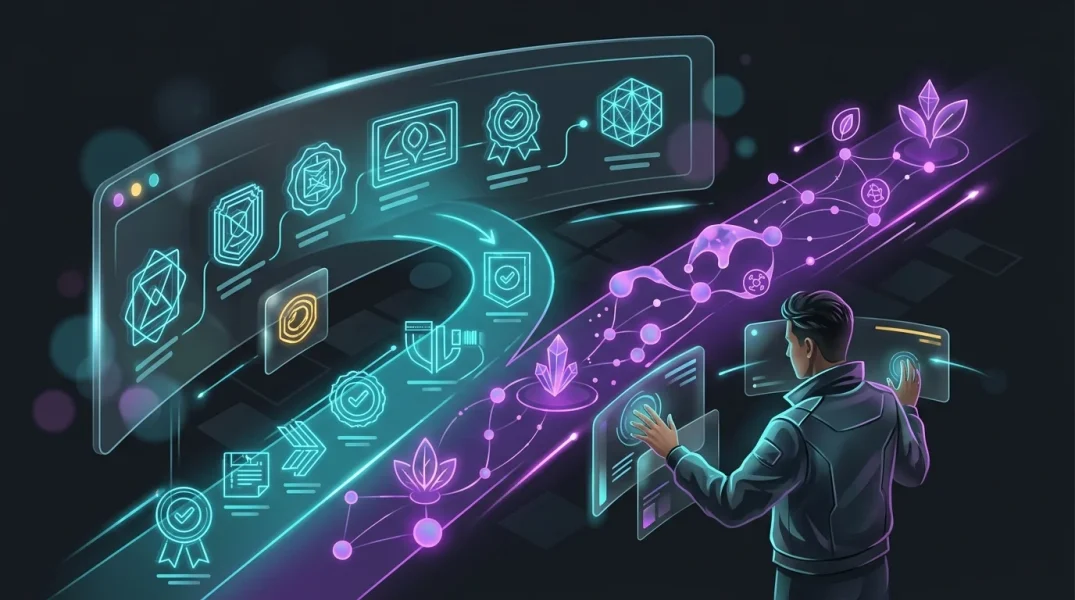
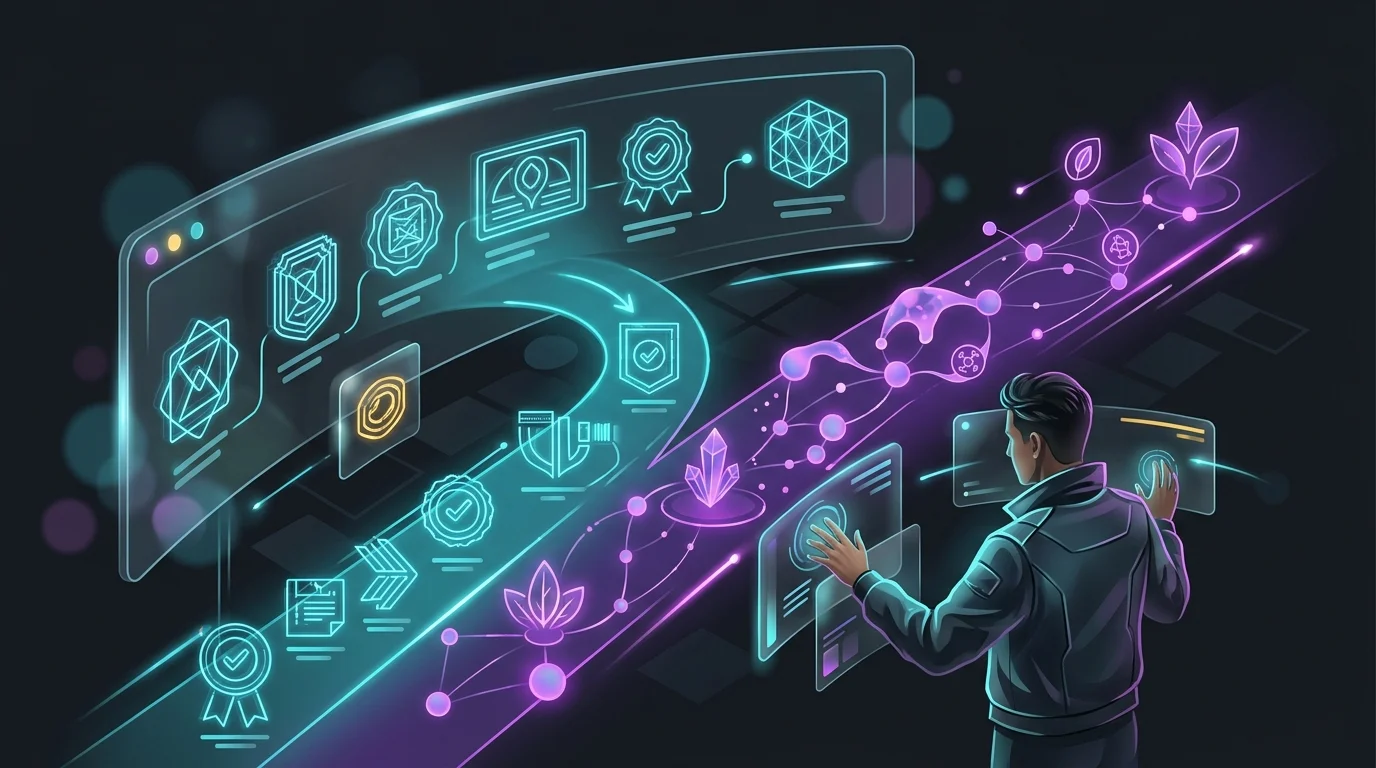
Credits are issued by third-party standards. The most trusted are Verra’s Verified Carbon Standard (VCS) and the Gold Standard. Both require third-party verification and track the credit’s life cycle on a registry. When you buy a credit, you receive a serial number that proves ownership.
The market is still young. Liquidity is improving, but some credits trade only in small batches. Understanding where a credit sits in the supply chain helps you avoid scams and choose options that match your risk tolerance.
Exchange-Traded Funds (ETFs) That Hold Carbon Credits
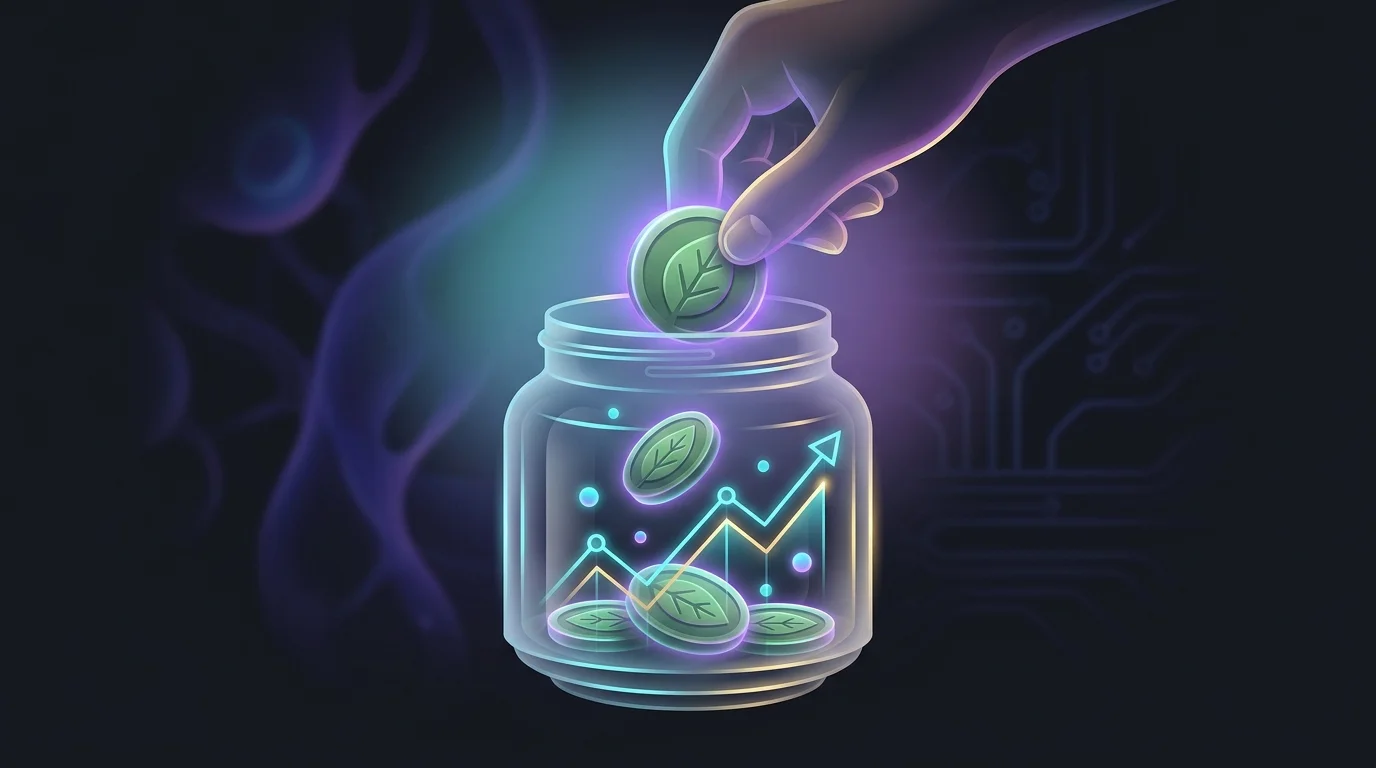
ETFs give you instant exposure without needing to manage individual certificates. As of May 2026, three ETFs focus on carbon credit assets.
Carbon Credit ETF A
This fund holds a basket of verified credits from reforestation, renewable energy, and methane capture projects. It trades on the NYSE under the ticker CCE. The expense ratio is 0.45 %. The fund’s net asset value has risen 28 % over the past 12 months, reflecting higher credit prices.
Carbon Credit ETF B
Listed on the Toronto Stock Exchange as CCT, this ETF includes both compliance and voluntary credits. It also invests a small portion in companies that generate credits, such as carbon-capture technology firms. The expense ratio is 0.55 %. Over the last year the fund returned 22 % after fees.
Carbon Credit ETF C
This fund focuses on high-quality Gold Standard credits from projects in Africa and South America. It trades on the Nasdaq under the ticker GSC. The expense ratio is 0.60 %. It has a lower turnover rate, which can reduce transaction costs.
ETFs are suitable if you want a hands-off approach. They provide diversification across project types and regions, reducing the impact of a single project’s failure. Keep an eye on the fund’s holdings list, which is published quarterly, to ensure the credits remain certified.
Direct Project Funds and Private Placements
If you prefer to select the projects you support, private funds offer that option. These funds raise capital to purchase credits directly from developers. They often lock your money for three to five years, after which the credits are delivered and sold on your behalf.
Reforestation Fund X
This fund invests in certified forest-restoration projects in the Pacific Northwest and Brazil. It targets credits that are “additional” to meaning the forest would not have been planted without the fund’s money. The minimum investment is $10,000. Historical returns have averaged 15 % per year, driven by rising credit prices and the fund’s ability to sell credits in bulk.
Renewable Energy Credit Fund Y
Focused on solar and wind farms in Texas and the Midwest, this fund purchases credits generated by the farms’ excess power. The fund’s lock-up period is four years. It reports an average annual return of 12 % after fees. The fund also provides quarterly reports showing the amount of CO₂ avoided.
Methane Capture Fund Z
Methane from livestock farms and landfills is captured and turned into energy. The fund buys the resulting credits, which are valued higher because methane has a global warming potential 28 times that of CO₂. The minimum commitment is $5,000, and the fund’s 3-year return has been 18 %.
Direct funds can deliver higher returns but require more due diligence. Verify the fund’s track record, audit reports, and the certification of each project. Ask for a copy of the underlying credit registry entries.

Broker Platforms for Spot Credit Purchases
Broker platforms let you buy and sell credits on demand, similar to trading stocks. They provide price transparency and usually charge a small transaction fee.
Platform Alpha
Operates a web portal that aggregates credits from multiple registries. Fees are 0.8 % of the trade value. The platform shows the credit’s vintage year, certification, and location. You can purchase as few as 10 credits at a time.
Platform Beta
Offers a mobile app with real-time pricing for both compliance and voluntary credits. Transaction fees are 0.6 %. The app includes a carbon-offset calculator, letting you match your personal emissions with a specific number of credits.
Platform Gamma
Focuses on corporate-grade credits. It requires a minimum purchase of 100 credits but offers volume discounts. Fees drop to 0.4 % for purchases over $20,000. The platform provides a “green audit” report for each batch, useful if you need documentation for ESG reporting.
Using a broker gives you flexibility. You can buy when prices dip and sell when they rise. However, spot markets can be less liquid for niche credits, so expect wider bid-ask spreads for smaller projects.
Digital Carbon Tokens on Public Blockchains
Blockchain projects have created tokenized carbon credits. Each token represents a verified credit stored on a public ledger. The advantage is instant transfer and fractional ownership.
Token A (CarbonChain)
Issued on the Ethereum network, each token equals one verified credit from a VCS-registered reforestation project. The token trades on decentralized exchanges. Prices have ranged from $28 to $42 in 2026. The project publishes a smart-contract audit and a link to the underlying registry entry.
Token B (EcoCoin)
Built on the Polygon chain, EcoCoin bundles credits from renewable energy projects. The token includes metadata that shows the project’s location and certification. Trading volume is lower, and price volatility can be higher than spot credits.
Digital tokens are appealing for tech-savvy investors, but they carry regulatory uncertainty. The SEC has signaled that some tokenized credits may be treated as securities. If you choose this route, keep records of the token’s registry link and be prepared for possible tax reporting changes.
Building a Carbon Credit Portfolio
A balanced approach mixes ETFs, direct funds, and spot purchases. Here is a simple allocation model for a $20,000 investment:
- ETF A: 40 % ($8,000): Provides broad market exposure and liquidity.
- Reforestation Fund X: 30 % ($6,000): Adds higher-return potential from a specific project type.
- Platform Alpha spot purchase: 20 % ($4,000): Lets you buy credits when prices dip.
- CarbonChain token: 10 % ($2,000): Offers exposure to blockchain-based credits with a small risk weight.
Adjust the percentages based on your risk tolerance. If you prefer less complexity, a single ETF can cover the entire allocation.
Tax Considerations
Carbon credits are treated as property for tax purposes. When you sell a credit at a higher price than you paid, the gain is a capital gain. Holding periods under one year are short-term; over one year are long-term, taxed at lower rates. Some jurisdictions allow a charitable deduction if you donate credits to a qualified nonprofit, but you must obtain a receipt that shows the fair market value at donation.
Keep detailed records: purchase date, price, certification, and the serial number of each credit. Use the registry’s PDF receipt as supporting documentation. Consult a tax professional familiar with environmental assets to ensure compliance.
Risks to Watch
- Regulatory change: New rules could reclassify certain credits as securities, affecting liquidity.
- Project failure: A forest fire or a solar farm shutdown can invalidate credits.
- Price volatility: Credit prices can swing 15 % or more in a quarter, especially for niche vintages.
- Fraud: Unverified credits may lack a registry entry. Always check the serial number on the official registry website.
Mitigate risk by diversifying across standards, regions, and project types. Stick to credits with third-party verification and a clear audit trail.
How to Get Started Today
- Open a brokerage account that offers ETFs. Search for ticker CCE, CCT, or GSC and place a market order.
- Research direct funds on the SEC’s EDGAR database or the fund’s website. Request a prospectus and confirm the certification of each project.
- Sign up for a broker platform like Platform Alpha. Verify your identity and link a bank account.
- If interested in tokens, create a crypto wallet that supports Ethereum or Polygon. Purchase the token on a reputable decentralized exchange and record the transaction hash.
- Track your holdings in a spreadsheet. Log the purchase price, date, and certification. Review quarterly reports from funds and platforms.
Starting with a small position lets you learn the market without overcommitting. As you become comfortable, you can increase the allocation.
Related guides
- How to Invest in Carbon Markets
- How to Invest in Carbon Credits
- a closer look at Best Carbon Offset Investment Funds
- a closer look at Basics of Tax Planning: How to Maximize Deductions
- a closer look at How to Invest in Mutual Funds
- How to Invest in Artificial Intelligence
- Best Metaverse Investment Opportunities
Frequently Asked Questions
Can I buy carbon credits directly from a forest project?
Yes, some projects sell credits through their own websites or via a broker. Look for a link to a recognized registry like Verra. Verify that the credit is “additional” and has not been retired.
How do carbon credit returns compare to traditional stocks?
Returns have been higher than cash and comparable to dividend-yielding stocks, but they are less liquid and more volatile. Expect annual returns of 10 % to 20 % for high-quality credits, versus 7 % to 10 % for the S&P 500 over the same period.
Are carbon credit ETFs taxed like regular ETFs?
Yes. Dividends, if any, are taxed as ordinary income. Capital gains from selling ETF shares follow the standard capital-gain rules.
What is the difference between compliance and voluntary credits?
Compliance credits are required by law in regulated markets. Voluntary credits are purchased by companies or individuals who want to offset emissions beyond legal requirements. Voluntary credits often have higher transparency standards.
Should I worry about double counting of credits?
Reputable registries prevent double counting by retiring a credit once it is sold. Always check the registry entry to confirm the credit’s status before purchase.
Is it safe to hold carbon tokens in a crypto wallet?
Tokens on public blockchains are secure from hacking if you protect your private keys. The bigger risk is regulatory; a future ruling could restrict trading or require additional reporting. Treat tokens as higher-risk assets.
Related Reading: What Is TrumpRx.gov? Good or Bad? Your Complete Guide to Lower Prescri | Your Guide to the Best Cyber Liability Coverage Options That Won’t Bre | How to Improve Your Credit Score Quickly: Real Strategies That Actuall