
Last reviewed: June 2026
You see a headline about carbon credits and wonder how to turn them into a portfolio boost. You have $10,000 to spare and want a clear path.
You care about returns and about climate impact. A misstep could waste months of effort or cost you fees that eat your profit.
This post shows you step by step how to buy, hold, and trade carbon assets. It covers voluntary offsets, compliance markets, ETFs, and direct project funding. It also warns about scams and tax rules.
This article provides educational information only and does not constitute financial or legal advice.
Key Takeaways
- Register with a reputable broker that offers carbon credit trading
- Start with a diversified carbon ETF to learn market behavior.
- Verify the certification standard (e.g., Verra, Gold Standard) before buying offsets.
- Allocate no more than 5 % of your total portfolio to carbon assets.
- Keep records for tax reporting and claim any eligible credits.
- Review your holdings quarterly and adjust for regulatory changes.
Understanding Carbon Markets
For a vetted, regularly updated list of tools that can help, explore our AI finance tools directory.
Carbon markets let companies buy credits that represent one metric ton of CO₂ avoided or removed. Two main types exist.
The compliance market is driven by government caps. Companies in the EU, California, or China must surrender enough credits each year. Prices here tend to be higher and more stable because of legal requirements.
The voluntary market serves firms and individuals that want to offset their own emissions. Prices are lower and vary by project type, location, and verification standard.
Both markets trade credits called CERs, VERs, or CCs. A credit is a contract, not a physical commodity. Understanding the difference helps you pick the right entry point.
Why Carbon Credits Have Real Value
A credit represents a measurable reduction in greenhouse gases. That reduction can be verified by third-party auditors. Governments may later tighten caps, driving demand for existing credits. Investors treat that demand like any other commodity.
For example, the EU Allowance (EUA) price rose from €15 in 2022 to over €80 in early 2026. A similar upward trend appears in high-quality voluntary credits linked to forest restoration.
Risks Specific to Carbon Assets
Credits can become invalid if a project fails to deliver promised reductions. Some standards have strict monitoring; others are lax.
Regulatory shifts can change the legal definition of a credit, making it non-transferable.
Liquidity is lower than for stocks. You may need to hold a credit for months before finding a buyer at a fair price.
Choosing the Right Investment Vehicle
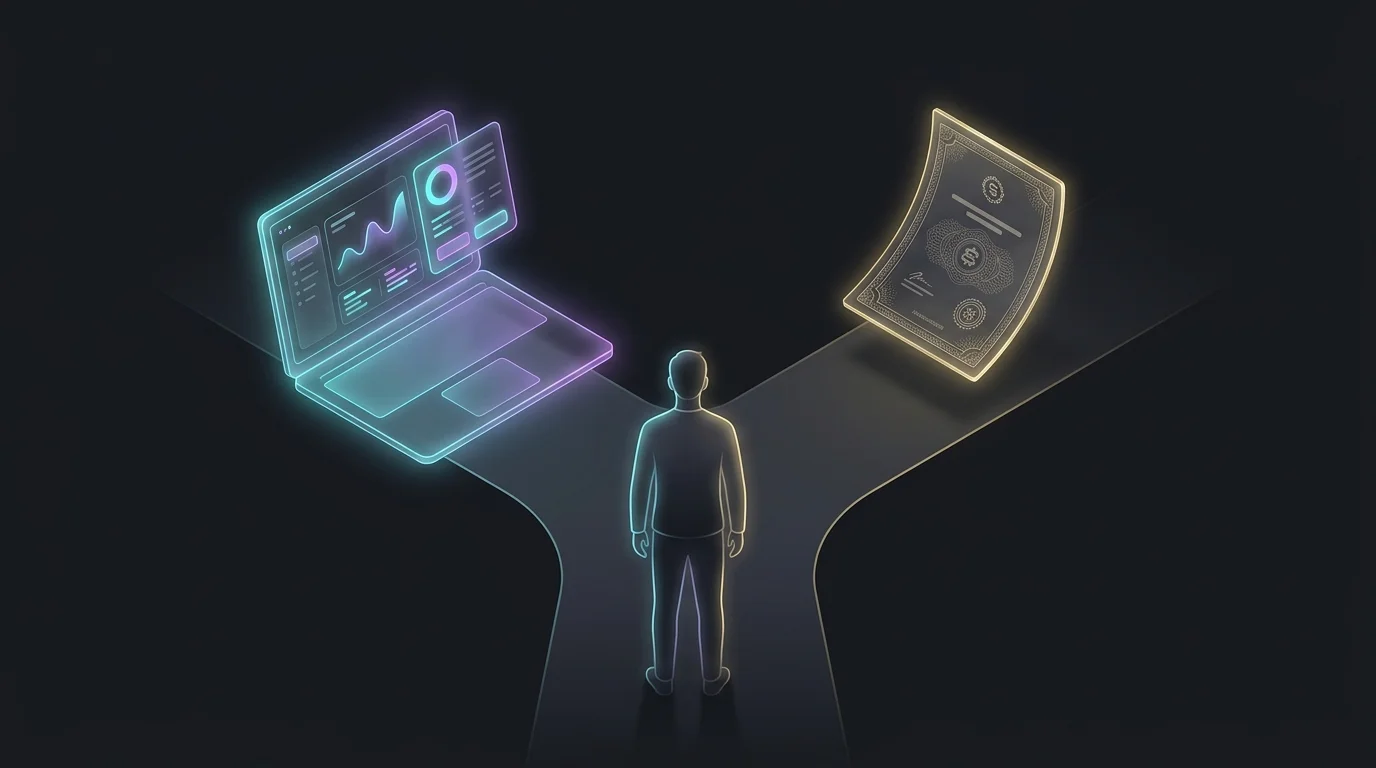
You can access carbon markets through several channels. Pick the one that matches your risk tolerance and time commitment.
Carbon ETFs and Mutual Funds
ETFs bundle many credits or carbon-related stocks into a single ticker. They trade on major exchanges, so you can buy them through any brokerage.
Examples include the iShares Climate Impact ETF and the VanEck Carbon Credits ETF (both listed as of 2026). They hold a mix of compliance allowances, voluntary offsets, and companies that generate credits.
Benefits: instant diversification, easy buying, transparent fees.
Drawbacks: management fees (typically 0.30 % to 0.70 % per year) and exposure to market sentiment rather than individual projects.
Direct Purchase of Credits
Some brokers let you buy individual credits. You will need an account with a platform that supports carbon trading, such as Carbon Trade Exchange or Xchange Carbon.
Steps:
- Open a trading account and complete KYC.
- Fund the account with cash or a wire transfer.
- Search for credits by standard (Verra, Gold Standard), region, and vintage year.
- Place a limit order at your target price.
Direct purchase gives you control over project type. You can choose forest, renewable energy, or methane capture projects that align with your values.
Peer-to-Peer Platforms
Newer platforms allow investors to fund specific projects directly. Investors receive a digital certificate that tracks the credit’s retirement.
These platforms often use blockchain to record ownership. They may charge a one-time fee of 2 % to 5 % of the investment.
Because they are newer, verify the platform’s registration with the SEC or your state’s securities regulator.
Carbon Futures and Options
If you have experience with derivatives, you can trade carbon futures on exchanges like ICE (Intercontinental Exchange). Futures lock in a price for a future delivery of credits.
This approach is high risk. It requires margin accounts and a solid understanding of contract specifications.
Most retail investors skip futures and stay with ETFs or direct credits.

Building a Carbon Portfolio
Start small. Treat carbon assets as a niche portion of a broader investment plan.
Step 1: Set a Allocation Target
Financial planners often suggest 3 % to 5 % of total assets for specialty themes. With a $10,000 portfolio, allocate $300 to $500 initially.
If you add more later, keep the total below 10 % to avoid over-exposure to a volatile segment.
Step 2: Open a Brokerage Account
Choose a broker that offers both ETFs and carbon credit trading. Major brokers such as Fidelity, Charles Schwab, and **E*TRADE** now list carbon ETFs.
For direct credits, you may need a separate account with a specialized exchange.
Complete identity verification and link a bank account for funding.
Step 3: Buy a Carbon ETF
Place a market order for one share of a low-fee carbon ETF. As of 2026, the iShares Climate Impact ETF trades around $45 per share.
Holding a single share lets you observe price movements without tying up much capital.
Step 4: Purchase Individual Credits
After you understand price behavior, buy a small batch of verified credits. Aim for 10 to 20 credits from a reputable standard.
A forest restoration credit from Kenya may cost $12 to $15 each. A renewable-energy credit from a California solar farm could be $20 to $25.
Record the credit IDs, vintage year, and verification report.
Step 5: Track Performance
Create a simple spreadsheet. Columns should include:
- Date of purchase, Credit type (ETF, VER, EUA)
- Quantity, Purchase price, Current market price, Reason for purchase (e.g., diversification, impact)
Update the sheet monthly. If a credit’s price drops more than 20 % and the project shows compliance issues, consider selling.
Step 6: Rebalance Annually
At year-end, compare the carbon allocation to your target. If it has grown to 8 % of the portfolio, sell enough to bring it back to 5 %.
Rebalancing keeps risk in check and locks in gains.

Tax Considerations
Carbon credits can generate taxable events. Treat them as property for IRS purposes.
- Purchase: No immediate tax impact.
- Sale: Capital gain or loss calculated on the difference between sale price and basis. Short-term rates apply if held less than a year.
- Retirement of Credits: If you retire a credit to offset personal emissions, the IRS does not allow a deduction unless the credit is part of a qualified charitable contribution.
Keep all transaction confirmations and the certification documents. When filing, report gains on Schedule D.
State tax treatment varies. Some states, like California, offer incentives for holding compliance allowances. Check with your state tax agency or a licensed accountant.
Avoiding Scams and Low-Quality Projects
The carbon market attracts fraudsters. Follow these checks before any purchase.
- Verify the standard. Reputable bodies include Verra, Gold Standard, and American Carbon Registry.
- Look for third-party audit reports. The report should list monitoring frequency and verification dates.
- Check the project’s registry entry. Registries provide a public ledger of all issued credits.
- Avoid “guaranteed return” promises. Credits do not pay interest.
- Use platforms that are regulated. Register with the SEC’s investment adviser database if the platform claims to be an adviser.
If a deal sounds too good.such as credits priced at half market value.walk away.
Monitoring Market Trends
Carbon markets react to policy and climate news. Stay informed with a few reliable sources.
- EU Emissions Trading System (EU ETS) weekly price reports.
- California Air Resources Board (CARB) updates on the California Cap-and-Trade Program.
- International Carbon Action Partnership (ICAP) for global policy shifts.
When a major jurisdiction announces a tighter cap, compliance credit prices usually rise within weeks. Voluntary market prices may spike after a high-profile corporate net-zero pledge.
Scaling Up: From Hobbyist to Small Investor
If you decide carbon assets fit your strategy, you can increase exposure responsibly.
- Add a second carbon ETF focused on a different region.
- Allocate a portion of your portfolio to a carbon-focused mutual fund that invests in green infrastructure.
- Consider a small allocation to a carbon-focused venture fund that backs early-stage mitigation startups.
Each step should respect the overall 5 % to 10 % allocation rule. Diversify across compliance and voluntary credits to smooth price swings.
Related guides
- Best Carbon Credit Investing Options
- How to Invest in Carbon Credits
- Best Carbon Offset Investment Funds
- a closer look at How to Invest in Startups
- How to Invest in Foreign Markets
- How to Invest in Artificial Intelligence
- How to Start Stock Market Investing
Sources
- CFPB resource on recognizing fraud and scams
- background reading: digital assets guidance page
- further context: debt-to-income ratio explainer
Frequently Asked Questions
Can I buy carbon credits directly from a project developer?
Yes. Some developers sell credits through their own websites or via a broker. Make sure the credits are registered with a recognized standard and that you receive a certificate with a unique ID.
How liquid are carbon ETFs compared to individual credits?
ETFs trade on major exchanges, so you can sell them during market hours at the quoted price. Individual credits may take days or weeks to find a buyer, especially in the voluntary market.
Do carbon credits generate income like dividends?
No. Credits do not pay periodic income. Their return comes from price appreciation when demand rises.
Are there any retirement accounts that allow carbon investments?
Some self-directed IRAs permit alternative assets, including carbon credits, if the custodian allows it. Check the custodian’s list of approved investments and be prepared for higher fees.
What happens if a project fails and its credits are invalidated?
The credit becomes worthless. If you hold it in a broker account, the broker will remove it from your holdings. Your loss is treated as a capital loss for tax purposes.
Is there a minimum amount required to start investing in carbon markets?
For ETFs, you can buy a single share, often under $50. For direct credits, many platforms let you purchase as few as one credit, which may cost $10 to $30 depending on the project.
Related Reading: What Is TrumpRx.gov? Good or Bad? Your Complete Guide to Lower Prescri | Your Guide to the Best Cyber Liability Coverage Options That Won’t Bre | Best Identity Theft Protection Plans in 2025: Secure Your Personal Dat