

Last reviewed: June 2026
You bought a Level 4 self-driving car that can handle most streets without you touching the wheel. The price tag was $68,000. Now you need to protect that investment.
If a crash occurs, you could face a claim worth $30,000 or more, plus possible liability if the vehicle injures others. Without proper coverage you risk losing money and facing legal trouble.
This post shows you how to find, compare, and purchase the right policy for an autonomous vehicle. We cover the basics of liability and physical-damage coverage, how to evaluate manufacturer warranties, what discounts may apply, and how to file a claim when the car drove itself.
This article provides educational information only and does not constitute financial or legal advice.
Key Takeaways
- Verify that the insurer offers a specific autonomous-vehicle endorsement
- Compare liability limits of at least $250,000 per person and $500,000 per accident.
- Add comprehensive and collision coverage that matches the car’s market value.
- Ask about discounts for built-in safety sensors and low-mileage usage.
- Review the manufacturer’s warranty and cyber-risk coverage before buying.
- Keep a digital log of software updates and driving data for claim support.
Understanding the Insurance Landscape for Autonomous Cars
For a vetted, regularly updated list of tools that can help, explore our AI insurance tools directory.
Insurance for self-driving cars is still evolving. Most major carriers now list autonomous-vehicle endorsements on their websites. These endorsements adjust how risk is measured when the vehicle’s software makes decisions.
Your Guide to the Best Cyber Liability Coverage Options That Won’t Bre still follows the same rules as traditional auto policies. If the car causes injury or property damage, the driver.or the policyholder.remains legally responsible unless a court finds the manufacturer at fault.
Physical-damage coverage (comprehensive and collision) protects the car’s value. Because autonomous models often cost more, insurers may require higher limits or a lower deductible.
What Levels of Autonomy Mean for Coverage
The Society of Automotive Engineers defines six levels. Level 4 and Level 5 vehicles can operate without human input in most conditions. Level 3 requires the driver to take over when prompted.
For Level 4 and 5 cars, insurers treat the software as a key risk factor. They may ask for proof that the vehicle’s AI is up to date and that you follow the manufacturer’s recommended maintenance schedule.
How Manufacturers Share Risk
Many makers, such as Tesla and Waymo, bundle limited liability coverage into the purchase price. This coverage typically caps at $25,000 per accident. It is meant as a stop-gap until you add personal insurance.
Read the purchase agreement carefully. Some manufacturers require you to keep a personal policy that meets or exceeds state minimums. Ignoring this can void the built-in coverage.

Choosing the Right Liability Limits
Liability limits determine how much the insurer will pay for bodily injury and property damage. State minimums vary, but they are often too low for an autonomous vehicle that can travel at highway speeds.
Recommended Minimums
- $250,000 per person for bodily injury
- $500,000 per accident for bodily injury total
- $250,000 for property damage
These amounts cover most severe crashes and protect your assets if a judgment exceeds your personal savings.
How to Compare Quotes
Ask at least three carriers for a quote that includes the autonomous endorsement. Use the same limits and deductible for each quote. Write down the total premium, the cost of each coverage piece, and any discounts applied.
If one insurer offers a lower premium but requires a $2,000 deductible, calculate whether the higher deductible could cost you more in a claim. A simple break-even analysis helps you see the true cost.
Adding Comprehensive and Collision Coverage
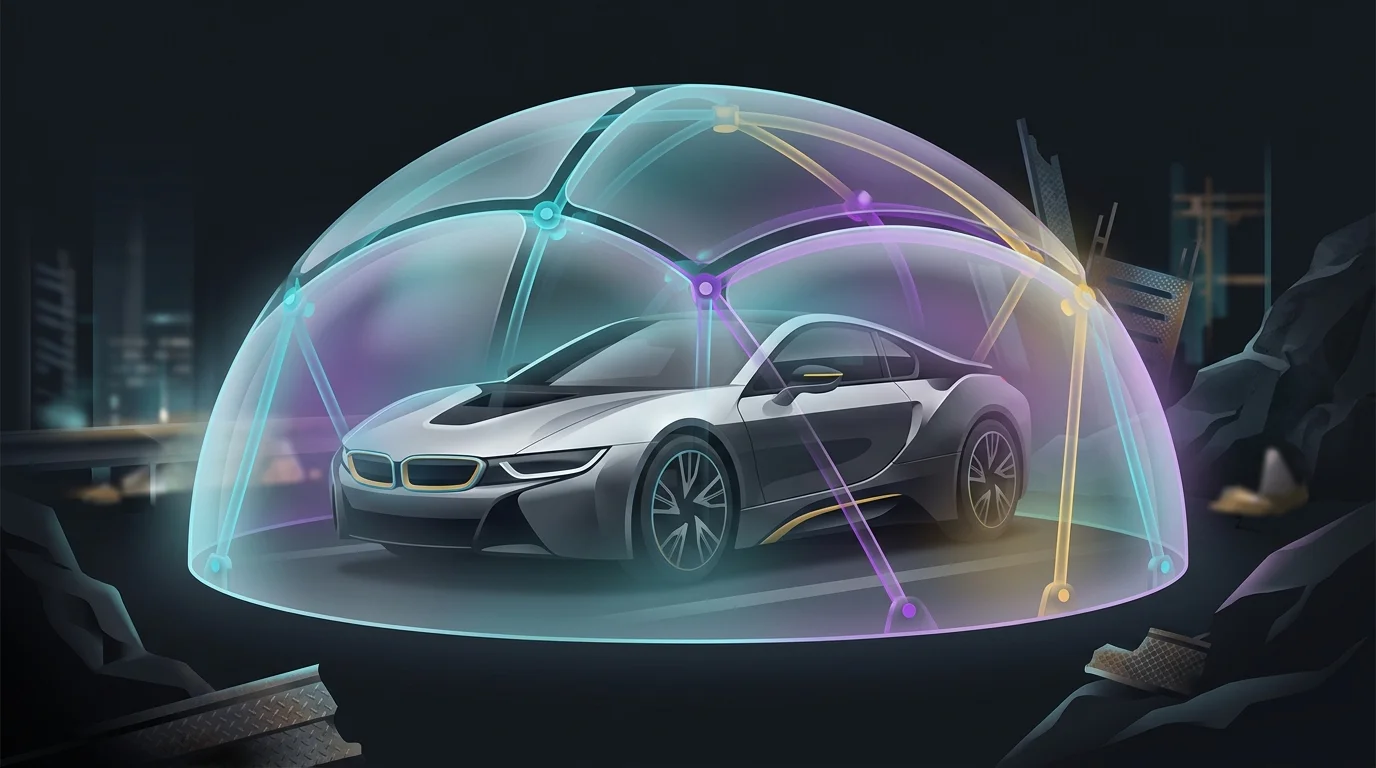
Comprehensive coverage pays for non-collision events such as theft, fire, or vandalism. Collision coverage pays for damage when the vehicle hits another object, even if the fault lies with the driver.
Setting Coverage Amounts
Match the coverage limit to the car’s market value. For a $68,000 vehicle, a $70,000 limit ensures you can replace it without paying out of pocket.
Choosing a Deductible
Higher deductibles lower the premium. A $1,000 deductible is common for autonomous cars. If you have a strong How Much to Save in an Emergency Fund? Expert Advice, a $500 deductible may be affordable and reduce out-of-pocket costs after a claim.
Cyber-Risk and Software Update Protection
Self-driving cars rely on constant software updates. A hack or faulty update could cause a crash. Some insurers now offer cyber-risk riders that cover losses from software failures.
What the Rider Covers, Legal costs if a hacker forces the car into an accident.
- Replacement of damaged electronic components.
- Reimbursement for lost mileage while the car is offline for repairs.
Ask the agent if the rider is included in the autonomous endorsement or if it must be added separately. The cost is usually 2-5 % of the base premium.
Discounts Specific to Autonomous Vehicles
Insurers reward the safety features built into autonomous cars. Common discounts include:
- Sensor suite discount: 5 % off for lidar, radar, and camera arrays.
- Low-mileage discount: 3 % off if the annual mileage is under 8,000 miles.
- Safe-software discount: 2 % off for maintaining up-to-date firmware.
Provide the insurer with the vehicle’s VIN and a copy of the latest software update log to qualify.
The Claims Process When the Car Is Driving Itself
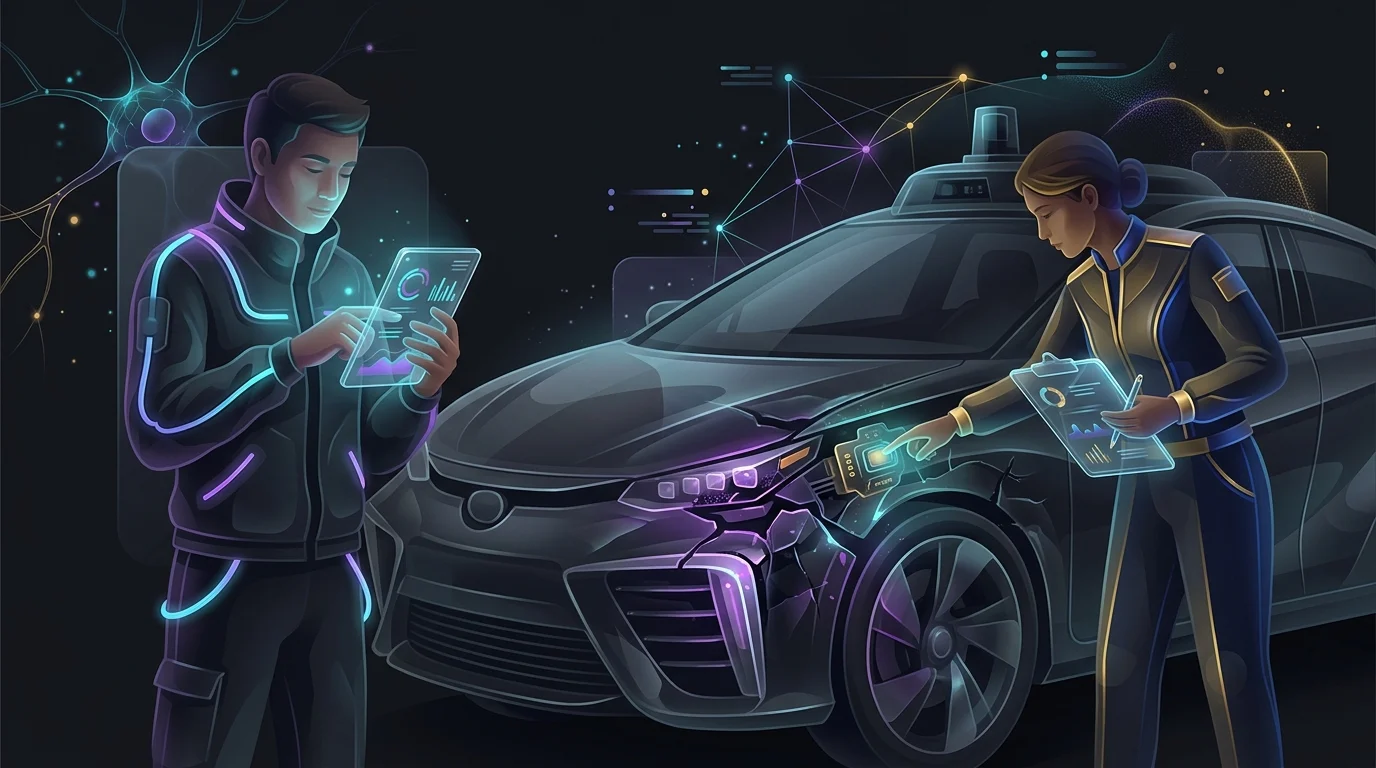
If an accident occurs while the vehicle is in autonomous mode, the claim steps are similar to a regular crash, but you will need additional documentation.
Gather Evidence Quickly, Save the vehicle’s event data recorder (EDR) file.
- Export the driving log from the car’s companion app.
- Take photos of damage and the surrounding area.
Notify Your Insurer
Call the claims line within 24 hours. Mention that the vehicle was in autonomous mode and that you have the EDR file ready. Ask if the insurer needs a copy of the software version at the time of the crash.
Work With the Adjuster
The adjuster may request a technical analysis of the AI’s decision-making. Be prepared to coordinate with the manufacturer’s support team. Their findings can influence liability allocation.
Evaluating and Switching Insurers
You are not locked into a carrier forever. Review your policy each year before renewal.
Red Flag Checklist, Premium increase over 10 % without a clear reason.
- Loss of a cyber-risk rider.
- Removal of the autonomous endorsement.
If any of these appear, start gathering quotes from alternative carriers. Switching can save you hundreds of dollars and keep your coverage aligned with new technology.
Related guides
- Best Autonomous Vehicle Insurance
- How To Choose The Right Car Insurance Companies In
- How to Choose the Best Car Insurance Near Me
- How to Get Auto Insurance Discounts
- How to Insure NFT Collections
- Best Classic Car Insurance Companies
Sources
Summary of Steps to Insure Your Autonomous Vehicle
- Confirm the manufacturer’s warranty and any built-in liability coverage.
- Choose liability limits of at least $250 k/$500 k/$250 k.
- Add comprehensive and collision coverage equal to the car’s market value.
- Add a cyber-risk rider if available.
- Request discounts for sensors, low mileage, and up-to-date software.
- Keep a digital log of software updates and driving data.
- Review the policy annually and compare at least three quotes.
Frequently Asked Questions
Do I need a separate policy for my autonomous car?
You still need a personal auto policy. Manufacturer coverage is limited and often requires you to maintain a policy that meets state minimums.
Can I get a discount for the car’s built-in safety features?
Yes. Most carriers give a discount for lidar, radar, and camera systems. Provide the VIN and feature list to qualify.
What if the car’s software crashes and causes an accident?
A cyber-risk rider can cover legal fees and damages caused by a software failure. Ask your insurer if this rider is included in the autonomous endorsement.
How often should I update my policy after a software upgrade?
Review your policy after any major software update that changes driving capabilities. New features may affect liability or qualify you for additional discounts.
Will my premium increase as the car gets older?
Premiums can rise if the vehicle’s market value drops but liability limits stay high. Adjust your coverage limits or deductible to keep costs in check.
Is it possible to insure a fully driverless taxi fleet?
Yes. Commercial policies exist for autonomous fleets. They combine liability, property, and cyber coverage and are priced based on fleet size and usage patterns.