Cherre
AI real estate data intelligence platform aggregating and normalizing property data for institutional investors
About this Tool
Cherre is an AI-powered real estate data intelligence platform built for institutional investors and enterprise property firms. It aggregates property data from hundreds of sources, normalizes it through machine learning, and delivers a unified data layer that organizations can query and analyze at scale. Rather than replacing analyst work, Cherre is designed to eliminate the data preparation bottleneck that slows down investment decisions in commercial and residential real estate.
How Cherre works
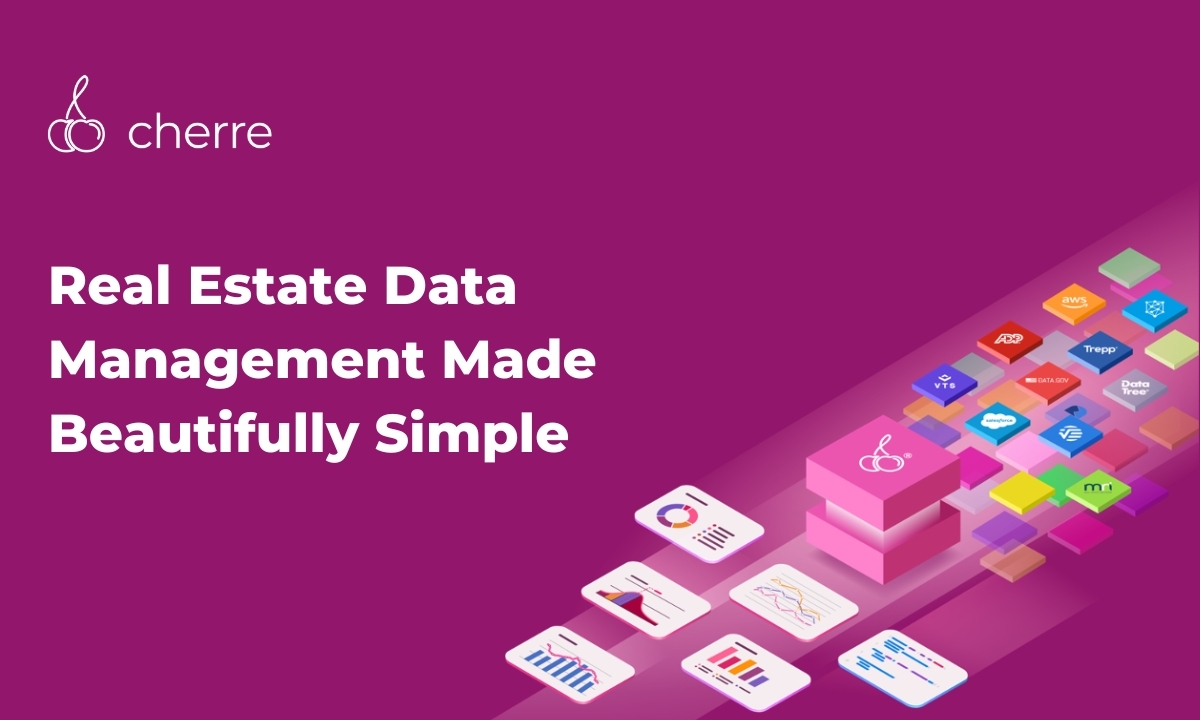
At the core of Cherre is a Unified Property Data Lake that pulls in records from public, private, and proprietary sources and links them to individual properties. An AI Data Normalization layer reconciles conflicting field names, formats, and values across sources so that analysts are working from a consistent dataset rather than raw, mismatched feeds. Cross-Source Data Enrichment then layers additional context onto each property record, connecting ownership history, tax assessments, transaction records, and market signals into a single view. Portfolio Analytics tools allow investment teams to slice that data across their holdings, and a Market Intelligence layer surfaces broader trends across geographies and asset classes. Most access happens through API integrations and dashboards built into a firm’s existing workflow rather than through a standalone consumer application.
Strengths
- Data unification at scale. Cherre handles the heavy work of sourcing and reconciling property records from dozens of providers, which typically requires a dedicated data engineering team if done in-house.
- AI-driven normalization. The platform does not simply aggregate raw feeds; it applies machine learning to resolve duplicates, standardize addresses, and fill gaps across sources, which increases the reliability of downstream analysis.
- Enterprise integration focus. Cherre is built to connect with existing institutional tools and workflows through APIs, so it fits into a firm’s technology stack rather than requiring analysts to switch platforms.
- Breadth of data coverage. By pulling from multiple public and private sources simultaneously, it gives teams access to cross-referenced information that would be difficult to assemble manually.
- Portfolio-level analytics. The platform is designed for organizations managing large numbers of assets, not individual properties, making it appropriate for the scale at which institutional investors operate.
Limitations
- Not built for individual buyers or small teams. Cherre’s architecture, pricing model, and feature set are aimed at institutional users. Independent agents, small brokerages, and individual investors will find it far more than they need and priced accordingly.
- Custom pricing only. There is no self-serve tier or publicly listed price, which means evaluating cost requires going through a sales process. Budget estimates are not available without a direct conversation with the vendor.
- Implementation overhead. Getting full value from the platform typically requires data engineering resources on the client side to build and maintain API integrations and custom dashboards.
- Dependent on source data quality. AI normalization improves consistency, but the accuracy of Cherre’s output is ultimately bounded by the quality of the underlying data feeds it ingests. Gaps in source coverage translate to gaps in the unified dataset.
Who it is for
Cherre is a strong fit for institutional real estate investors, private equity firms, REITs, asset managers, and proptech companies that manage large portfolios and need reliable, normalized property data to drive acquisition, underwriting, or portfolio monitoring decisions. It is also relevant for data and technology teams inside real estate organizations that are trying to reduce the manual effort of building internal data pipelines. Organizations that lack dedicated data infrastructure or that only need data on a small number of properties will likely find the platform mismatched to their needs.
How it compares
Cherre operates in a different segment of the real estate data market than consumer-facing property search tools. Zillow serves buyers, sellers, and renters with listing data and automated home value estimates, and while it has a data licensing arm, its primary product is built around individual property transactions rather than institutional portfolio intelligence. Redfin similarly focuses on consumer property search and agent-assisted transactions, with data tools oriented toward homebuyers rather than fund managers. Cherre fills a gap that neither of those platforms targets: the back-end data infrastructure layer that institutional investors need to run quantitative analysis across thousands of assets simultaneously. The tradeoff is that Cherre offers no self-serve access and requires meaningful technical and financial investment to implement, whereas Zillow and Redfin are usable immediately without any setup.
Pros & Cons
✓ Pros
- ✓Unified Property Data Lake
- ✓AI Data Normalization
- ✓Cross-Source Data Enrichment
- ✓Workflow automation
- ✓AI-powered features
✗ Cons
- ✗No free plan — paid tiers only
- ✗Some advanced features may require higher-tier plans
Key Features
Unified Property Data Lake
AI Data Normalization
Cross-Source Data Enrichment
Portfolio Analytics
Market Intelligence
Investment Underwriting Support
API Data Access
Custom Data Pipelines
📋 Scripts & Prompts for Cherre
Copy these AI-powered scripts to get maximum value from this tool. Sign up free to copy.
🔌 MCP Servers for Cherre
Connect these MCP servers to give Claude, Cursor & Cline superpowers with this tool. Sign up free to copy install commands.
🤖 AI Agents for Cherre
Pre-built automation agents that work with this tool — import in one click. Sign up free to access.
Similar Real Estate Tools



Tags
Frequently Asked Questions
Cherre is available as custom pricing. Visit the tool's website for the latest pricing details and plan options.
Visit the Cherre website to check whether a free tier or free trial is available.
Cherre is available on Web. Check the official website for the latest platform support.
Many tools offer free trials to let you test before subscribing. Check the Cherre website for current trial availability and duration.