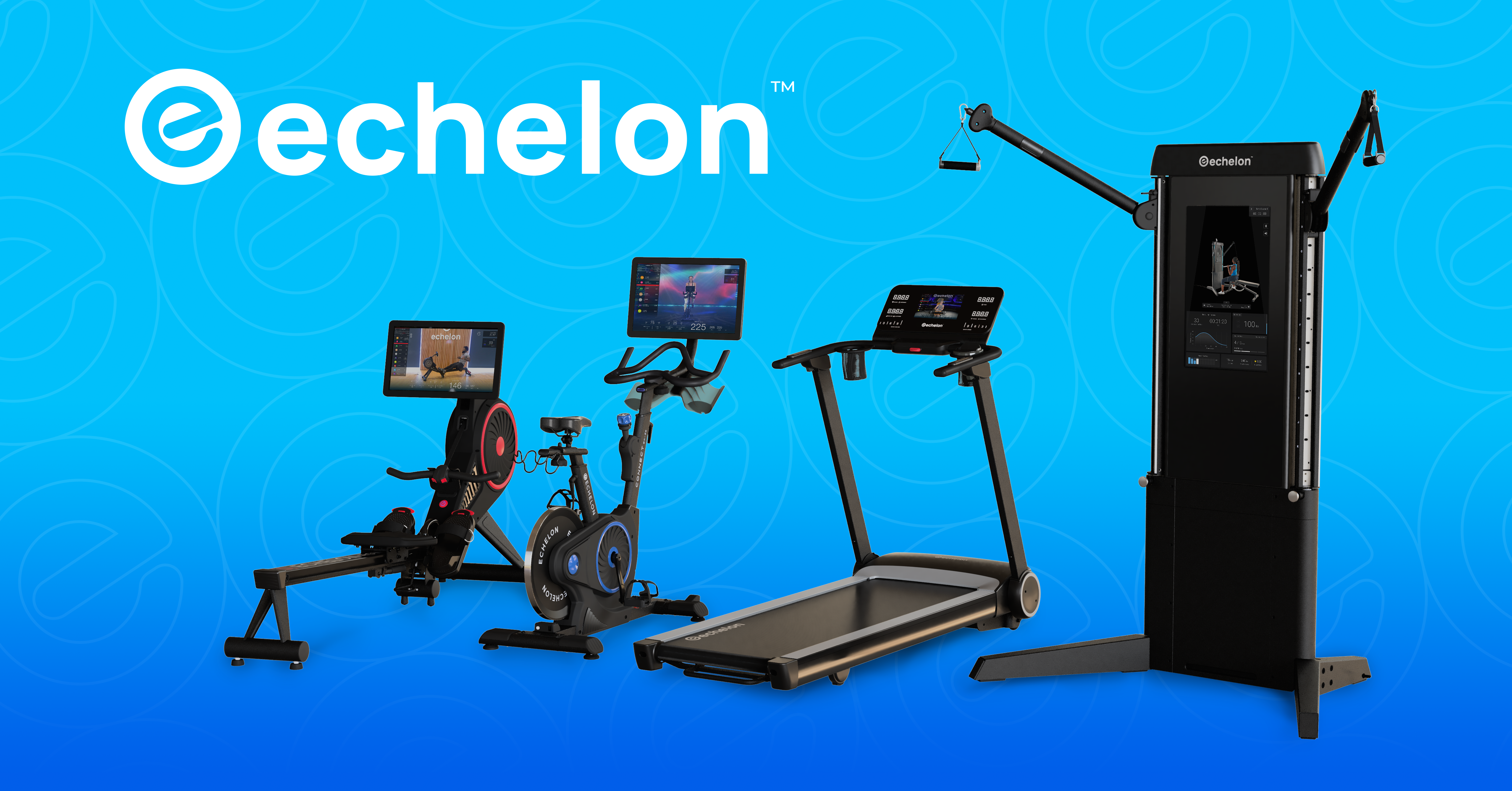
Echelon
Connected fitness equipment with AI-powered live and on-demand classes for home workouts
About this Tool
Echelon is a connected fitness platform built around home exercise equipment paired with live and on-demand instructor-led classes. The company sells its own bikes, rowers, and other hardware, then ties them to a subscription membership that unlocks the full class library and performance features. It targets home fitness enthusiasts who want the energy of a studio workout without leaving the house, and who are willing to invest in dedicated equipment to get there.
How Echelon works
After purchasing an Echelon bike, rower, or other supported device, members subscribe to the Echelon Premier membership at $39.99 per month. The membership grants access to a library of live-streamed and on-demand classes led by instructors across cycling, rowing, strength, yoga, and other formats. During rides and rows, the platform pulls performance data from the equipment directly, tracking metrics such as output, cadence, and resistance. That data feeds into AI-powered performance tracking tools that monitor progress over time. A leaderboard system lets members compete against others in real time or against their own past performance, and instructors provide coaching cues throughout each class.
Strengths
- Integrated hardware and software: Because Echelon controls both the equipment and the app, performance data flows automatically without manual logging or third-party sync workarounds.
- Live class schedule: The platform streams live classes daily, which gives workouts a communal feel that recorded-only libraries cannot replicate.
- Multiple equipment types: Echelon supports bikes, rowers, and other device categories, so members can diversify their training without switching platforms.
- Competitive leaderboard: For members who are motivated by competition, the real-time leaderboard adds accountability and energy that solo workouts lack.
- Instructor coaching: Classes are instructor-led with real-time cues rather than fully automated, which suits users who find pure AI guidance impersonal.
Limitations
- Equipment cost is a barrier: The $39.99 monthly membership only makes sense after purchasing Echelon hardware, which adds a significant upfront cost on top of the recurring subscription. There is no meaningful software-only tier for users who already own other equipment.
- Ecosystem lock-in: Performance tracking and AI features are tied to Echelon devices. Members who sell their equipment or switch brands lose access to their historical data context within the platform.
- AI tracking is metric-based, not adaptive: The performance tracking records and surfaces data, but the platform does not dynamically adjust class intensity or recommend specific workouts based on recovery state or training load in the way some newer AI training tools do.
- Class quality depends on instructor availability: Live class schedules are fixed, and on-demand library depth varies by equipment type and format, which can limit variety for users outside cycling.
Who it is for
Echelon suits home fitness users who want structured, instructor-led workouts and are comfortable committing to both hardware and a monthly subscription. It works well for people who previously paid for boutique studio memberships and want a lower per-class cost alternative at home. The leaderboard and live class format appeals to competitive types who need external motivation to push intensity. It is less suited to runners, outdoor athletes, or anyone who wants a platform-agnostic tool that works across multiple fitness disciplines without tied hardware.
How it compares
Echelon occupies a different niche than general-purpose fitness tracking tools. MyFitnessPal focuses on nutrition logging and calorie tracking and works with almost any exercise routine, making it a complementary tool rather than a direct competitor. Users who want to track what they eat alongside their Echelon workouts would find the two services useful together.
Strava targets outdoor endurance athletes, primarily runners and cyclists, and builds its value around GPS route tracking and social segments. Echelon is better suited for indoor, equipment-based training, while Strava handles outdoor performance data. Someone who trains on an Echelon bike in winter and rides outdoors in summer might use both, but they serve different primary use cases and do not overlap significantly in core functionality.
Within the connected home fitness category, Echelon competes on price relative to higher-end platforms, making it a reasonable option for budget-conscious buyers who still want a structured class experience tied to their hardware.
Pros & Cons
✓ Pros
- ✓Live & On-Demand Classes
- ✓AI Performance Tracking
- ✓Multiple Equipment Types
- ✓Available on both iOS and Android
✗ Cons
- ✗No free plan — paid tiers only
- ✗Some advanced features may require higher-tier plans
Key Features
Live & On-Demand Classes
AI Performance Tracking
Multiple Equipment Types
Leaderboard Competition
Instructor Coaching
Resistance Tracking
Heart Rate Monitor
Community Challenges
📋 Scripts & Prompts for Echelon
Copy these AI-powered scripts to get maximum value from this tool. Sign up free to copy.
🔌 MCP Servers for Echelon
Connect these MCP servers to give Claude, Cursor & Cline superpowers with this tool. Sign up free to copy install commands.
🤖 AI Agents for Echelon
Pre-built automation agents that work with this tool — import in one click. Sign up free to access.
Similar Fitness & Health Tools


Tags
Frequently Asked Questions
Echelon is available as $39.99/mo + equipment. Visit the tool's website for the latest pricing details and plan options.
Visit the Echelon website to check whether a free tier or free trial is available.
Echelon is available on Android, Desktop, iOS. Check the official website for the latest platform support.
Many tools offer free trials to let you test before subscribing. Check the Echelon website for current trial availability and duration.
Community Rating
Is this your tool? Claim this listing →