Best Jewelry Insurance Providers Compared: Protecting Your Precious Pieces
Last reviewed: June 2026
This article provides educational information about jewelry insurance coverage. Consult with licensed insurance professionals for personalized guidance based on your specific circumstances and valuable property protection needs.
You put the ring on your finger every single day, and somewhere in the back of your mind, you know that one slip over a drain, one snatch on a crowded street, and it’s gone. Standard homeowners insurance isn’t going to save you. Most policies cap jewelry coverage at $1,000–$2,500 total, and that’s before the deductible hits. If you’ve got a piece worth real money, you need a standalone policy built for exactly this.
Here’s what I’ve found after digging through the leading specialty jewelry insurers: the coverage is better, the premiums are often lower, and your other insurance rates stay untouched. Let’s break down who does it best in 2025.
Key Takeaways
| Provider | Coverage Highlight | Best For |
|---|---|---|
| BriteCo | Up to 125% of appraised value | Tech-savvy shoppers |
| Jewelers Mutual | Specialist jewelry insurer | High-value collections |
| Lavalier | Security-focused coverage | Security-conscious owners |
| JIBNA | Antique and custom coverage | Antique and custom pieces |
- Homeowners Policy Limitations: Standard homeowners insurance typically caps jewelry coverage at $1,000–$2,500 total, often excluding common loss scenarios including mysterious disappearance and accidental damage
- All-Risk Protection: Specialized jewelry insurance provides comprehensive coverage against virtually all loss scenarios including theft, loss, damage, and mysterious disappearance, with worldwide protection extending beyond home premises
- Premium Competitiveness: Dedicated jewelry insurers charge 0.5-2% of appraised value annually compared to 2-5% through traditional homeowners policy endorsements
- Zero-Deductible Standard: Leading specialty insurers offer zero-deductible policies as standard, eliminating out-of-pocket expenses during claims
- Claims Independence: Standalone jewelry insurance claims don’t affect homeowners insurance rates, preventing premium increases that frequently follow homeowners policy jewelry claims

What Jewelry Insurance Actually Covers
For a vetted, regularly updated list of tools that can help, explore our AI insurance tools directory.
Jewelry insurance operates on an all-risk basis, meaning it covers pretty much everything that can go wrong, unless the policy specifically says otherwise. That’s a very different world from your homeowners policy, which only covers named perils.
Coverage Structure and Protection Scope
Standard coverage includes:
- Theft from any location
- Accidental loss and damage
- Mysterious disappearance (unexplained loss)
- Stone loss from settings
- Damage during wear
- Worldwide protection extending beyond home premises
Typical exclusions include:
- Normal wear and tear (unless specifically covered)
- Manufacturing defects
- Intentional damage
- War and nuclear hazard
- Damage from unauthorized repairs
Why Your Homeowners Policy Falls Short
Standard homeowners and renters insurance policies impose significant jewelry coverage restrictions:
- Coverage limits: Typical $1,000–$2,500 maximum for all jewelry combined
- Peril restrictions: Coverage limited to specific perils (theft, fire) excluding accidental loss
- Deductible application: Standard homeowners deductibles ($500–$1,000) apply to jewelry claims
- Rate impact: Claims potentially increase homeowners insurance premiums
- Documentation requirements: Extensive proof of ownership and value needed
Scheduled personal property endorsements to homeowners policies address some of these gaps, but they typically cost more than a standalone policy and tie your jewelry claim directly to your homeowners record. That’s exactly the situation you want to avoid.
Understanding jewelry insurance fundamentals connects to broader comprehensive insurance planning ensuring coordinated property protection across multiple asset categories.

Leading Specialty Jewelry Insurance Providers
These companies do one thing: protect valuable property. That focus matters. You get better coverage features, lower rates, and people who actually understand what a three-carat cushion-cut is worth.
BriteCo: Best for Tech-Savvy Shoppers
Annual Premium Range: 0.5-1.5% of appraised value
Distinctive Features:
- Coverage up to 125% of appraised value accommodating appreciation
- Zero-deductible standard coverage
- Digital claims processing averaging under 2 minutes
- Instant online quotes and immediate coverage
- 12,000+ five-star customer reviews
Coverage Structure: Replacement cost coverage only (no cash payouts)
Requirements: Current appraisal required for all items
Best Suited For: Technology-comfortable consumers prioritizing value and a streamlined digital experience
Jewelers Mutual: Best for High-Value Collections
Annual Premium Range: 1-3% of appraised value (surcharges for items exceeding $15,000)
Company Profile: 110+ years specializing exclusively in jewelry insurance
Distinctive Features:
- No coverage limits on individual items or total policies
- No appraisal required for initial coverage (can appraise later)
- A+ financial strength rating from A.M. Best
- 0.14 NAIC complaint index (exceptionally low)
- Repair and replacement flexibility
Considerations: Annual payment required unless premiums exceed $200; less advanced digital infrastructure
Best Suited For: Consumers prioritizing established reputation and unlimited coverage capacity
Lavalier: Best for Security-Conscious Owners
Annual Premium Range: 1-2% of appraised value
Distinctive Features:
- Comprehensive discount program for security measures
- Home security system discounts
- Safe storage discounts
- Bank vault storage premium reductions
- Scheduled and non-scheduled coverage options
Coverage Limits: $50,000 per item maximum; $150,000 total policy limit
Financial Backing: Berkley Asset Protection (A+ rated); 0.00 NAIC complaint index
Considerations: Watch coverage evaluated case-by-case; may not suit extensive luxury timepiece collections
Best Suited For: Security-conscious consumers seeking discount optimization opportunities
JIBNA: Best for Antique and Custom Pieces
Coverage Structure: Agreed-value policies (predetermined payout amounts)
Coverage Limits: Up to $500,000 per item; $2.5 million total policy capacity
Distinctive Features:
- True agreed-value coverage eliminating replacement disputes
- Specialized expertise in antique and custom jewelry
- High-value collection capacity
- Broker-based personalized service
Considerations: Manual processing through authorized brokers; no instant online quotes; agreed-value policies cost 25-50% more than replacement cost coverage
Best Suited For: Owners of irreplaceable antique, vintage, or custom-designed pieces requiring agreed-value protection

Traditional Insurance Company Options
Major carriers offer jewelry coverage through homeowners endorsements or standalone policies. Here’s the honest trade-off: you get consolidated billing and a single agent relationship, but you usually pay more and your jewelry claim can follow your homeowners policy.
Bundling: The Real Pros and Cons
Potential Advantages:
- Consolidated policy management through single carrier
- Potential multi-policy discounts
- Established agent relationships
- Unified claims coordination
Significant Limitations:
- Higher premiums: Typically 2-5% of value versus 0.5-2% from specialists
- Claims impact homeowners rates: Jewelry claims frequently increase base policy premiums
- Coverage restrictions: Lower per-item limits ($5,000–$10,000) without additional endorsements
- Jeweler restrictions: Some carriers require approved jeweler networks for replacements
- Limited mysterious disappearance coverage
Chubb: Best for High-Net-Worth Collectors
Target Market: High-net-worth individuals with extensive valuable property
Minimum Coverage: $25,000
Annual Premium Range: 3-5% of appraised value
Distinctive Features:
- Coverage up to 150% of appraised value
- Cash settlement options available
- Automatic new acquisition coverage: 90 days at 25% of total coverage
- In-house gemologist services
- Unrestricted jeweler selection for repairs and replacements
- Concierge-level claims service
Value Proposition: Premium pricing justified for extensive collections or ultra-high-value pieces requiring enhanced service and flexible settlement options
Traditional carrier options connect to broader insurance portfolio management enabling coordinated multi-policy strategies.
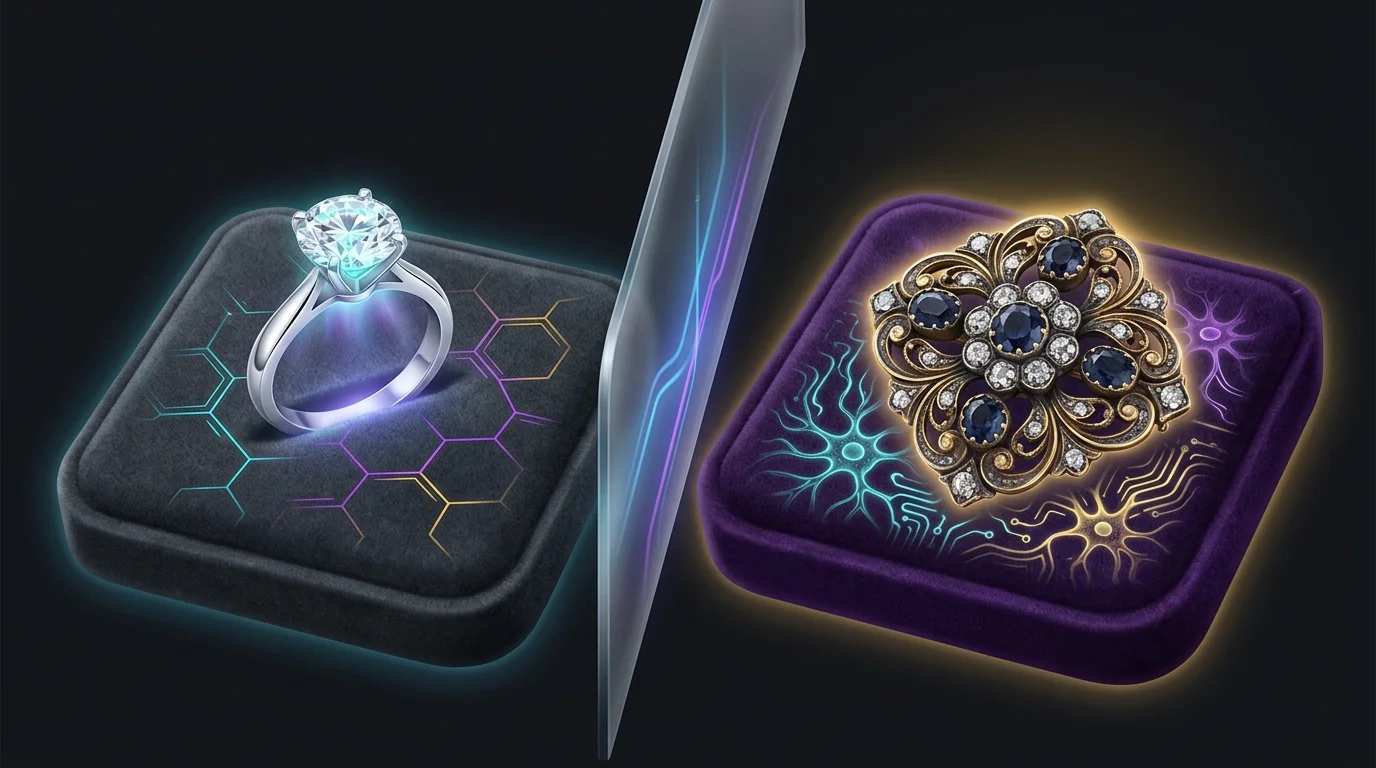
Replacement Cost vs. Agreed Value: Which Coverage Type Do You Need?
This is one of the most important decisions you’ll make, and most people skip right past it. The coverage type determines exactly what happens when you file a claim.
Replacement Cost Coverage
Insurers pay to replace lost or damaged items with equivalent pieces of similar kind and quality. This standard coverage type suits most jewelry owners with commercially available pieces.
- Advantages: Lower premiums; straightforward claims process
- Limitations: Replacement quality variations; subjective equivalent determinations
Agreed Value Coverage
Insurers and policyholders establish predetermined payout amounts before loss occurs. Claims pay agreed amounts regardless of replacement costs.
- Advantages: Eliminates replacement disputes; predictable payouts
- Limitations: Higher premiums (25-50% increase); requires detailed appraisals
- Best suited for: Antique pieces, custom designs, irreplaceable items
Actual Cash Value (Avoid This)
Replacement cost minus depreciation. Jewelry typically appreciates rather than depreciates, making this coverage type a poor fit for valuable pieces. If a policy offers ACV, keep looking.
Appraisal Requirements
Current appraisals establish coverage amounts and keep claims moving smoothly. A solid appraisal should include:
- Detailed item descriptions including measurements, weights, materials
- Gemstone characteristics: cut, color, clarity, carat weight
- Metal composition and purity
- Replacement value estimates
- High-resolution photographs
- Appraiser credentials and contact information
Appraisal Costs: Typically $50–$150 per item
Update Frequency: Most insurers require appraisals updated every 2-5 years
What Does Jewelry Insurance Actually Cost?
Less than you probably think. That’s the answer most people are surprised by.
Annual Premium Ranges by Provider Type
- Specialty insurers (BriteCo, Lavalier): 0.5-2% of appraised value
- Established specialists (Jewelers Mutual): 1-3% of appraised value
- Traditional carrier endorsements: 2-5% of appraised value
- High-net-worth specialists (Chubb): 3-5% of appraised value
Example Annual Premiums, $10,000 Engagement Ring:
- BriteCo: $50–$150 annually
- Jewelers Mutual: $100–$300 annually
- Traditional carrier: $200–$500 annually
Example Annual Premiums, $50,000 Collection:
- Specialty insurers: $250–$1,000 annually
- Established specialists: $500–$1,500 annually
- Traditional carriers: $1,000–$2,500 annually
Discounts Worth Knowing About
- Home security systems: 5-10% reduction
- Safe storage: 10-15% reduction
- Bank deposit box storage: 15-25% reduction
- Annual payment vs. monthly: 5-10% discount
Location Matters
Urban areas typically run 20-40% higher than rural locations due to theft rates and local replacement costs. High-crime regions may also see surcharges or coverage restrictions. Get a quote based on your actual zip code, not a national average.
Claims: What to Expect
Here’s the thing about claims, the best providers make it genuinely easy. The worst drag you through weeks of back-and-forth. Knowing what separates them will save you real grief.
Typical Claims Timeline
- Straightforward claims (clear loss, complete documentation): 2 minutes to 5 business days
- Complex claims (valuation disputes, incomplete records): 2-4 weeks
- Contested claims: 30+ days requiring additional investigation
Settlement Options
- Repair: Coverage for damage repair at policyholder’s jeweler choice
- Replacement: Like-kind replacement through approved or chosen jewelers
- Cash settlement: Monetary payout for policyholder-directed replacement (limited availability)
Jeweler selection flexibility is a real differentiator. Don’t settle for a policy that forces you into an approved network, you should be able to take a damaged ring back to the jeweler who made it.
How to Evaluate Service Quality
- NAIC complaint index: Values under 1.0 indicate superior service
- Financial strength ratings: A.M. Best ratings A- or higher ensure claim-paying ability
- Response times: Customer service availability and responsiveness
- Claims satisfaction: Customer reviews and third-party ratings
Comprehensive property protection extends beyond jewelry to include broader valuable possessions insurance strategies.
How to Get Covered: A Simple 4-Step Process
Step 1: Jewelry Inventory and Valuation
- Document all jewelry items with photographs
- Compile purchase receipts and existing appraisals
- Obtain current professional appraisals for items over $2,500
- Determine total coverage needs
Step 2: Provider Research and Quote Comparison
- Request quotes from 3-4 insurers using identical coverage parameters
- Compare total annual costs including all fees
- Review policy documents for coverage details and exclusions
- Verify financial strength ratings and complaint indexes
Step 3: Coverage Selection and Enrollment
- Select provider based on comprehensive evaluation
- Complete application with accurate information
- Submit required appraisals and documentation
- Verify coverage effective dates
Step 4: Documentation and Maintenance
- Store policy documents in a secure, accessible location
- Maintain digital copies of appraisals and photographs
- Schedule regular coverage reviews (annually recommended)
- Update appraisals every 2-3 years
Frequently Asked Questions
Does homeowners insurance adequately protect jewelry??
For most people, no. Standard homeowners policies cap jewelry coverage at $1,000–$2,500 total, exclude accidental loss and mysterious disappearance, and apply your deductible to any claim. Filing even a small jewelry claim can bump your homeowners rate. Standalone jewelry insurance covers more, costs less per dollar of coverage, and keeps your other policies clean.
What does jewelry insurance typically cost??
Specialized jewelry insurers charge 0.5-2% of appraised value annually. A $10,000 engagement ring typically runs $50–$200 per year for comprehensive coverage. Traditional carrier endorsements often charge 2-5%. Urban residents typically pay 20-40% more than rural policyholders.
How often do appraisals need to be updated??
Most insurers require appraisals updated every 2-5 years to account for precious metal and gemstone market changes. Some carriers like BriteCo include automatic annual value adjustments up to 125% of the original appraisal. Outdated appraisals can leave you underinsured, which you’ll only discover when you actually need to file a claim.
What coverage applies for jewelry lost during international travel??
Quality jewelry insurance includes worldwide coverage regardless of where a loss happens. Claims procedures are the same domestically or abroad, document the loss with local authorities and file when you return. Always verify worldwide coverage extent before international travel, and don’t assume your existing policy includes it.
Can inherited jewelry be insured without original purchase receipts??
Yes. A current professional appraisal establishes insurable value for inherited pieces, with no original documentation needed. Appraisers determine replacement value based on the item’s characteristics, not its history. Some insurers like Jewelers Mutual will even cover you immediately while you’re still getting the appraisal done.
Do jewelry insurance policies include deductibles??
Leading specialized insurers offer zero-deductible policies as standard. Some carriers offer optional $500–$1,000 deductibles that reduce premiums by 10-15%, which can make sense for large collections. For most people with one or two pieces, zero-deductible coverage is the better deal.
How do claims affect my other insurance rates??
Standalone jewelry insurance claims don’t affect your homeowners or auto rates, that rate independence is one of its biggest advantages. If you’d filed the same claim on a homeowners endorsement, your base policy could have gone up. Multiple jewelry claims within a short period might affect your jewelry policy renewal with some carriers, but your other policies stay separate.
What’s the best jewelry insurance for an engagement ring??
Look for: zero deductible, replacement cost coverage, mysterious disappearance protection, worldwide coverage, and competitive premiums in the 0.5-2% range. BriteCo, Jewelers Mutual, and Lavalier all check these boxes. Which one is right depends on how you prefer to manage things, digitally, through an agent, or with maximum discount optimization.
Jewelry insurance provides essential protection for valuable pieces through comprehensive all-risk coverage unavailable under standard homeowners policies. Specialized insurers typically offer superior coverage at competitive premiums while maintaining rate independence from other insurance policies. For additional guidance on comprehensive property insurance planning, explore integrated insurance strategies.