

Last reviewed: June 2026
Every 10-point increase in WHOOP Recovery has been linked to an average of 0.5 fewer strokes per round in professional golf, which shows how directly your recovery and “readiness” can impact real-world performance in 2026.
Key Takeaways
| Question | Answer |
|---|---|
| What is a readiness metric in fitness? | A readiness metric is a score that combines sleep, recovery, and strain data to tell you how prepared your body is to train hard today, instead of guessing based on willpower alone. |
| Why should I prioritize recovery-first training in 2026? | In 2026, wearables and apps like Thrive X Fitness make it easier than ever to track recovery, so you can push hard on green days and protect your long-term health on red days. |
| How does readiness affect performance? | Higher recovery scores have been linked to more great shots and fewer poor shots in elite sports, which means readiness is not abstract, it is a performance predictor you can use daily. |
| Can readiness metrics support long-term wellbeing and finances? | Yes, managing fatigue and injury risk with recovery-first training helps you protect your body, career, and earning potential, which aligns with our integrated prosperity mindset at ThriveXdna. |
| Where can I learn more about our fitness philosophy? | Visit Thrive X Fitness to see how we connect AI training, recovery, and personal development inside one system. |
| How does readiness link to accountability and goal setting? | A daily readiness score gives objective feedback so you can set realistic goals, track progress, and stay accountable without burning out, which supports the “Stop Surviving. Start Thriving.” ethos in our About Us story. |

1. What “Recovery-First Fitness” Really Means In 2026
For a vetted, regularly updated list of tools that can help, explore our AI health and wellness tools directory.
Recovery-first fitness means we stop worshiping grind culture and start respecting biology. We train hard, but only when our body is actually ready to cash the checks our mind wants to write.
In 2026, you have more data than any previous generation, yet many people still train on autopilot. We believe your workouts should follow your readiness, not your ego.
Training That Serves The Future You
We look at fitness as a contract between the younger you and the older you. The young dog in you needs to take care of the old dog you become later.
Recovery-first fitness is how you honor that contract. You trade a bit of short-term bravado for long-term strength, mobility, and prosperity.
Why Intensity Without Readiness Backfires
Hammering heavy sessions on low-recovery days might feel heroic, but it quietly drains your nervous system, joints, and motivation. Eventually it shows up as nagging pain, stalled progress, or outright injury.
By putting recovery first, your “off” days become strategic reloads, not failures. That mindset shift is where sustainable dominance starts.
2. The Readiness Metric: From Abstract Idea To Daily Decision Tool
A readiness metric is a single score that summarizes how prepared your body is to perform today. It takes sleep, recovery, strain, and sometimes cycle status into one clear signal.
Think of it as your dashboard light. Green means go hard, yellow means be smart, red means protect your system.
How Leading Systems Define Readiness
Platforms like Oura use a 0 to 100 Readiness Score, where 85 to 100 is “Optimal”, 70 to 84 “Good”, 60 to 69 “Fair”, and 0 to 59 “Pay Attention”. In 2026, they even factor in menstrual-cycle status for more accurate signals.
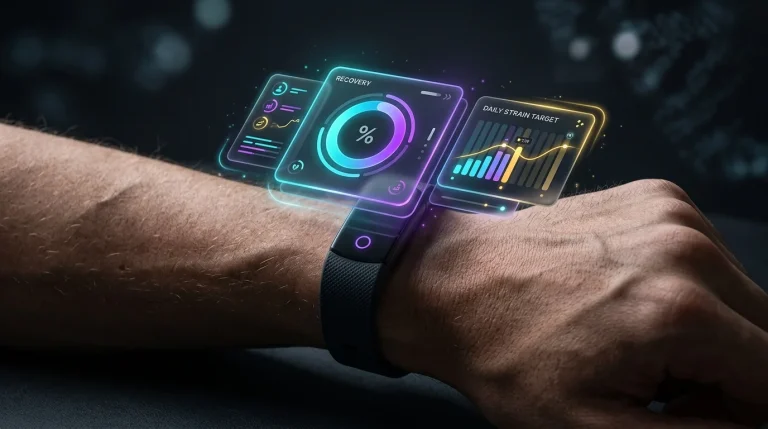
Garmin uses sleep scores and Body Battery to show how much energy you have left. WHOOP focuses on Recovery and Strain as key readiness indicators.
What A Readiness Score Actually Changes
A daily readiness score should change your behavior, not just satisfy your curiosity. It tells you when to push, when to maintain, and when to back off.
Without that signal, most of us train based on mood, schedule, or guilt. That is how overtraining sneaks in and prosperity slips out.

3. The Science: Why Recovery Predicts Performance
Recovery metrics are not motivational quotes dressed up as numbers. They are grounded in physiology, heart-rate variability, sleep architecture, and nervous system balance.
In 2026, elite and everyday athletes use these metrics to turn invisible stress into visible, actionable data.
Elite Evidence You Can Learn From
Data from hundreds of professional golfers and tens of thousands of nights of tracked sleep show the same thing. Better recovery is linked to more great shots and fewer errors when the pressure is high.
Your life might not be a PGA Tour event, but your nervous system responds the same way. Better readiness means cleaner execution in the gym, at work, and in your finances.
Everyday Habits That Move Your Readiness Needle
In large datasets, simple behaviors like hydration, protein intake, creatine, magnesium, and multivitamins are linked to measurable gains in recovery scores. Alcohol, on the other hand, drags scores down more than almost any other lifestyle factor.
That means your readiness score is not random. It is a daily reflection of the quiet choices you make when nobody is watching.
Did You Know?
Hydration, protein, creatine, magnesium, and multivitamins were each associated with measurable increases in Recovery scores in 2025 datasets, while alcohol showed an average negative impact of -12.12 on Recovery.
Source: WHOOP Year in Review 2025
4. How We Built Recovery & Readiness Into Thrive X Fitness
At ThriveXdna, we do not see fitness as separate from your financial and personal life. We see it as the engine behind everything you want to build.
That is exactly why Thrive X Fitness is designed around recovery-aware training, not mindless volume.
AI Programs That Respect Your Recovery
Our AI-generated programs adapt to your goals, equipment, and progress. More importantly, they adjust based on your capacity, so your hardest sessions line up with your best recovered days.
When your readiness is lower, the system steers you toward technique work, mobility, or lower-intensity conditioning instead of forcing max efforts.
Nutrition, Tracking, And Earning Inside One Ecosystem
Smart nutrition support helps you log meals, track macros, and see how your fueling patterns affect your performance and readiness over time. You get clarity, not confusion.
Our marketplace lets you earn income from workout plans and guides once you have results to share. Financial wellness and personal wellbeing stop competing and start compounding.
5. Interpreting Your Readiness: Green, Yellow, And Red Days
A readiness score is only useful if you know how to act on it. We keep things simple with a three-zone approach.
Green days are your opportunity to dominate. Yellow days are for smart, focused work. Red days are for discipline in resting.
Green Days: Go Heavy, Go Hard, Be Intentional
On high-readiness days, schedule your most demanding sessions. Think heavy strength work, sprints, or long intense conditioning.
These are the days your body is primed to adapt. Skipping intensity here is like leaving money on the table.
Yellow Days: Skill, Volume, And Controlled Stress
On medium-readiness days, we recommend technique work, hypertrophy sets, or moderate conditioning. You are still training, just not at your absolute limit.
Here is the thing: this is where consistency is built. You show up, respect your limits, and bank steady progress.
Red Days: Recovery Is A Workout
On low-readiness days, true recovery is a session with a purpose. That might mean walking, mobility, light cycling, or simply prioritizing sleep and nutrition.
The goal is to support your nervous system so tomorrow has a chance to be green again.
6. Readiness, Injury Risk, And Your Financial Future
Injury is not just pain. It is missed work, medical bills, and emotional stress that ripples through your finances.
Recovery-first fitness is risk management for your body, the same way insurance is risk management for your money.
The Cost Of Ignoring Recovery
When you train like nothing can break, something eventually does. That can mean months without progress, or in some careers, months without income.
We see readiness metrics as an early warning system, nudging you away from those cliffs before you see the bottom.
Health And Wealth Move Together
Our core philosophy is that financial wellness and personal wellbeing are deeply interconnected. You cannot sacrifice your health chasing income and expect a peaceful retirement later.
Recovery-first training protects the asset that earns everything else: your body. That is integrated prosperity in action.

7. Building Daily Habits Around Your Readiness Score
Readiness is not only about what happens in the gym. It is built by the quiet routines wrapped around your day.
If you treat your body like a high-performance asset, your habits start to look less random and more intentional.
Sleep, Stress, And Consistency
In big datasets from 2025, generations averaged around 6 hours 48 minutes to a bit over 7 hours of sleep per night, with Boomers showing the highest sleep consistency. The lesson is simple: consistency beats occasional heroics.
Treat sleep like a financial autopay. Same time, every day, protected from last-minute “emergencies.”
Practical Habit Anchors
- Set a fixed bedtime alarm, not just a morning alarm.
- Pre-plan protein-rich meals to avoid late-night snacking chaos.
- Schedule 10 minutes of wind-down time with no screens.
- Review your readiness in the morning, then adjust your plan instead of forcing it.
These small anchors compound into higher readiness and lower stress across the year.
Did You Know?
Among WHOOP users in 2025, Gen Z averaged about 7 hours 4 minutes of sleep per night while Boomers had the most consistent sleepers at 71.4% sleep consistency, showing that both duration and regularity shape readiness.
Source: WHOOP Year in Review 2025
8. Using Thrive X Fitness To Turn Readiness Into Action
Data is only as good as the decisions it changes. Our focus at ThriveXdna is not just tracking, but coaching you toward better choices.
When you pair readiness-aware workouts with clear financial and lifestyle goals, your life stops feeling like a puzzle and starts feeling like a system.
Goal Setting That Respects Your Capacity
Inside Thrive X Fitness, we encourage setting performance and health goals that fit your current readiness trends, not just your ambition. That keeps your targets aggressive but realistic.
Success means hitting the right sessions at the right times, not just hitting a certain number of sessions per week.
Accountability Through Objective Feedback
A readiness score has no ego. It does not care how motivated you feel, it reflects how prepared your system actually is.
That objectivity helps you tackle the tough personal questions only you can honestly answer, like whether your habits align with the future you want.
9. Common Mistakes People Make With Readiness Metrics
Like any powerful tool, readiness scores can be misused. We see a few patterns come up again and again.
Learning to avoid them will save you time, frustration, and energy.
Overreacting To A Single Low Day
One low-readiness day is a message, not a verdict. The trend across a week or month matters more than any one reading.
Zoom out, look for patterns, then adjust sleep, nutrition, and stress instead of panicking.
Using Readiness As An Excuse To Avoid Hard Work
Some people treat any score below “optimal” as a reason to skip training entirely. That turns readiness into a shield against discomfort.
Your job is to match the session to the score, not abandon effort. There is always an appropriate way to train.
Ignoring Subjective Signals
No metric replaces your own body awareness. If your score says “green” but you are clearly sick or in pain, the smartest move is still to rest.
We see data as a conversation between numbers and your own experience, not a dictatorship.

10. How To Start A Recovery-First Fitness Approach This Week
You do not need to overhaul your entire life to start using readiness in your favor. Think “small shifts, big compounding effect.”
The tools are ready. The question is whether you are willing to use them honestly.
Step 1: Track Something You Can Actually Use
Whether it is an app like Thrive X Fitness, a wearable, or even a simple sleep log, start by tracking one or two key signals. Sleep and daily energy are usually the best starting points.
Once you can see a pattern, you can begin to align your hardest sessions with your best recovered days.
Step 2: Create A Weekly Plan With Flex Days
Plan two to three “high-intensity windows” in your week, but leave room to slide them a day earlier or later based on how ready you are. That flexibility honors your biology and your schedule.
Fill the remaining days with lower-intensity or skill-focused work so you stay consistent even when recovery is not perfect.
Step 3: Commit To One Recovery Habit For 30 Days
Pick one habit most likely to raise your readiness, whether that is 30 extra minutes of sleep, daily hydration targets, or a no-alcohol weeknight rule.
Track how your energy, mood, and training quality respond. You are building proof that recovery-first fitness is not theory, it is leverage.
Start This Week, Thank Yourself Later
Recovery-first fitness is not about doing less. It is about doing the right work at the right time so your body, mind, and money can all move in the same direction.
When you respect your readiness, you stop surviving from workout to workout and start thriving year after year. Your future self is counting on the choices you make today, so train like someone you care about is watching, because they are. It is you, ten, twenty, and thirty years from now, living with the results.
Related guides
- Recovery-First Fitness: How the “Readiness” Metric Stops Y
- more on Thrive X Fitness vs Traditional Personal Training: 7 Big
- a closer look at Top 5 Best AI Workout Plan Generators in 2026 That
- more on Best Wearable Tech for AI Fitness Tracking in 2026: 9 Devices
- a closer look at Best AI Fitness Apps for Beginners in
- more on Is Your Personal Trainer Worth the Cost? Thrive X Fitness vs
- more on Best AI Recovery Apps for Athletes in
- more on Best Free AI Fitness Apps in 2026 (No Paywall)
- 7 Best Whoop Alternatives 2026 (No Monthly Fee)
- Personal Trainer Programming That Delivers Results in
- Source: additional detail from Habits form through repetition over time
- Source: gas in the digestive tract
- Source: background reading: IRS overview of small business entity structures
- Source: NIA’s hub on exercise and physical activity for healthy aging
Frequently Asked Questions
Do I need a wearable to train recovery-first?
No. A wearable makes readiness easier to see, but you can start with something simple like a sleep log or a quick check of your daily energy. The article suggests tracking just one or two key signals at first, with sleep and energy as the best starting points. Once you spot a pattern, you can line up your hardest sessions with your best recovered days.
What should I actually do on a red day?
Treat recovery as a session with a purpose rather than a day off from caring. On low-readiness days that can mean walking, mobility work, light cycling, or simply protecting your sleep and nutrition. The goal is to support your nervous system so tomorrow has a chance to swing back to green. Skipping the gym is fine here, but staying intentional is what keeps your progress moving.
If my score is low, should I just skip the workout?
Not usually. One of the common mistakes is treating any score below optimal as a reason to skip training entirely, which turns readiness into a shield against discomfort. Your job is to match the session to the score, not abandon effort, since there is almost always an appropriate way to train. Lower readiness simply points you toward technique work, mobility, or lighter conditioning instead of forcing a max effort.
Should I panic if I get one bad reading?
No. A single low day is a message, not a verdict, and the trend across a week or a month matters far more than any one number. The smarter move is to zoom out, look for patterns, then adjust your sleep, nutrition, and stress instead of overreacting. Readiness works best as a conversation between the data and your own body awareness, not a strict rule you obey blindly.
What everyday habits help my recovery numbers?
Simple behaviors carry a lot of weight. The article points to hydration, protein, creatine, magnesium, and multivitamins as choices linked to better recovery, while alcohol tends to drag scores down more than almost any other lifestyle factor. Consistent sleep matters too, so it helps to treat your bedtime like an autopay you protect every night. These quiet daily choices are what your readiness score quietly reflects.
What does fitness recovery have to do with my finances?
The connection is risk. Injury is not just pain, it can mean missed work, medical bills, and stress that ripples through your money, so recovery-first training works like insurance for the body that earns everything else. The core idea here is that financial wellness and personal wellbeing are deeply interconnected, and you cannot sacrifice your health chasing income and still expect a peaceful retirement. Protecting your body is treated as protecting your earning potential.