
Last reviewed: June 2026
You’ve been told your whole life to go to bed earlier. You’ve tried. It doesn’t work, and there’s a reason for that. Large UK Biobank data shows only about 8% of people fall into the definite evening chronotype, yet those same people carry up to a 16% higher risk of heart disease when their lifestyle works against their biology. If you’re a natural night owl, pretending you’re a 5 a.m. person isn’t a strategy. Building smart sleep hygiene around your actual DNA is.
Key Takeaways
| Question | Answer |
|---|---|
| 1. What is a genetic night owl profile? | It is an evening chronotype, partly driven by your genes and light sensitivity, that makes you naturally more alert later at night and slower to start early mornings. |
| 2. Can night owls be healthy without becoming “morning people”? | Yes, when you follow targeted habits for light exposure, meal timing, movement, and consistent bedtimes, you can support cardiovascular and metabolic health while keeping a later schedule. |
| 3. How many hours should night owls sleep? | Aim for 7-9 hours, the same optimal range linked to better cognition in large population data, even if that means 1 a.m. to 8 a.m. instead of 10 p.m. to 5 a.m. |
| 4. Do night owls really have higher health risks? | Yes, but mostly through lifestyle. About 74% of the extra cardiovascular risk in evening types is explained by modifiable factors like sleep quality, diet, and activity, which is exactly what smart sleep hygiene targets. |
| 5. How can tech actually help my night owl sleep routine? | AI tools like our Thrive X Fitness platform can align workouts, meals, and natural remedies with your chronotype so your daily rhythm supports, instead of sabotages, your sleep. |
| 6. Do I need a doctor for night owl sleep issues? | If you suspect insomnia, sleep apnea, depression, or other medical conditions, you should talk to a physician first, then use structured habits as an add-on, not a replacement for medical care. |
1. Why Your Late Nights Aren’t Bad Discipline
For a vetted, regularly updated list of tools that can help, explore our AI health and wellness tools directory.
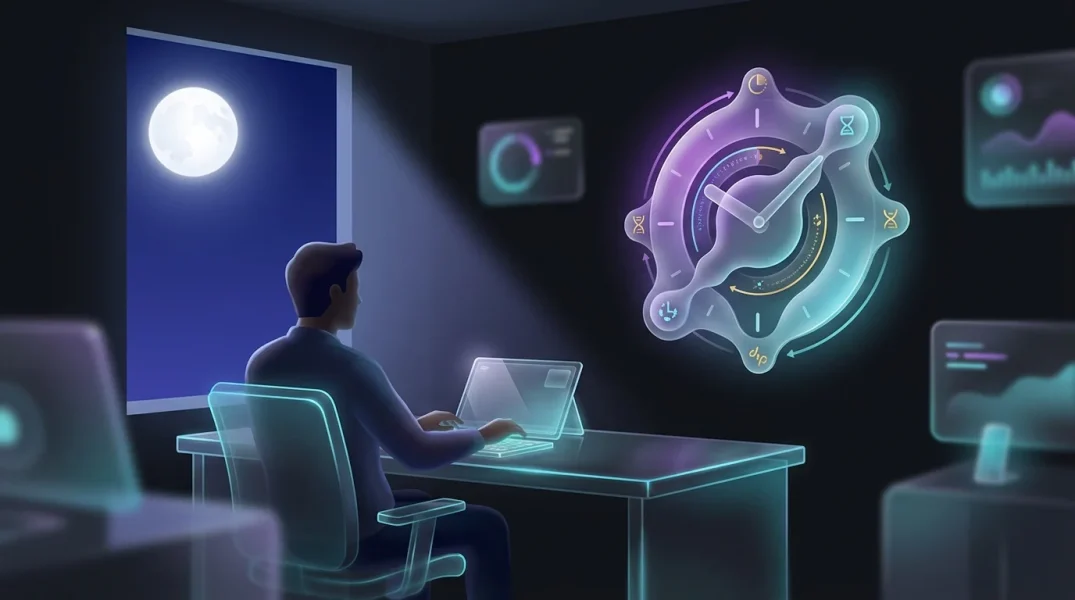
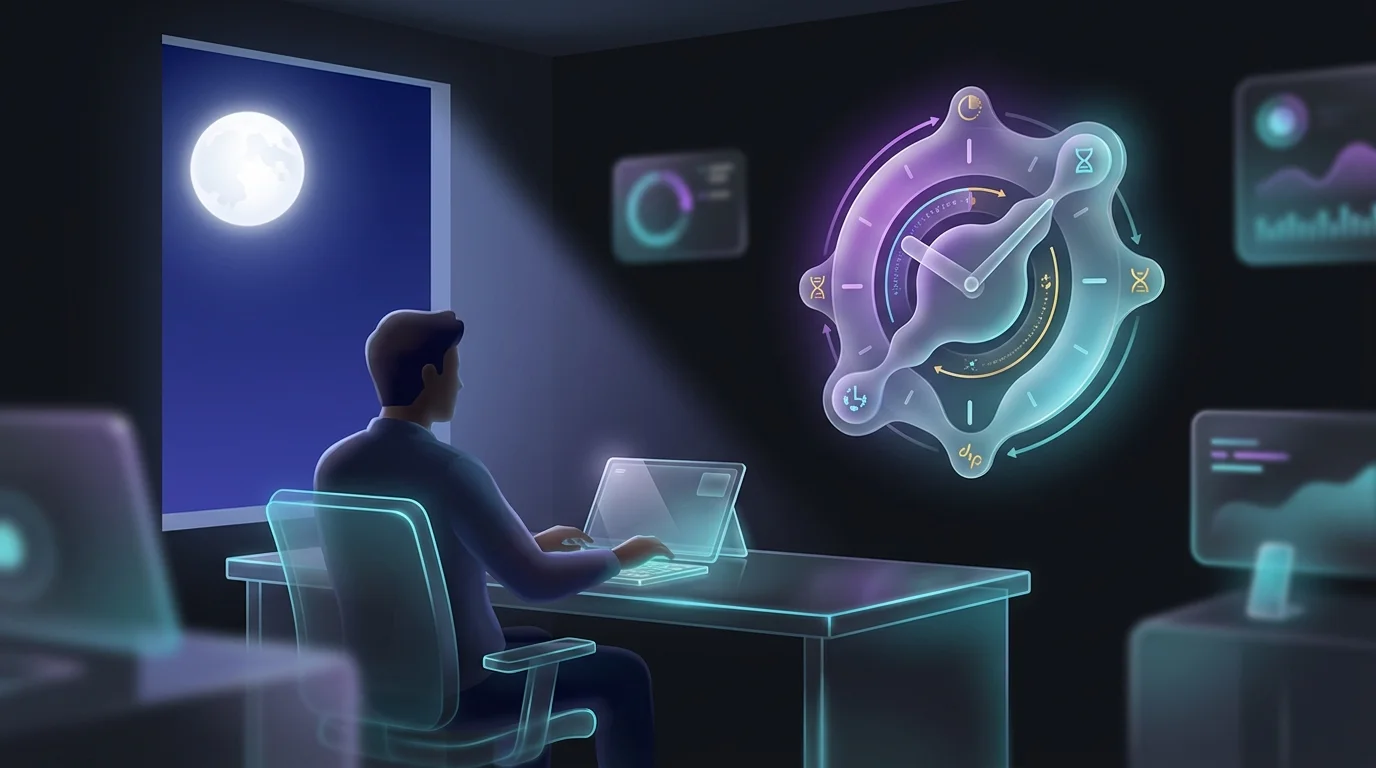
We work with people who feel guilty for every midnight they stay awake, even though their genes and brain wiring pull them there. Chronotype research in 2026 shows your internal clock, light sensitivity, and sleep timing are partly inherited. Blaming yourself for being an evening type is pointless and scientifically unfair.
Instead of trying to bully your biology into a 5 a.m. alarm, you need a plan that respects your later rhythm while still guarding your heart, metabolism, and brain. That’s where precision sleep hygiene built for night owls, not morning types, comes in.
What “evening chronotype” really means
Chronotype is your preferred timing for sleep and activity, morning, intermediate, or evening. As a night owl, your melatonin signal rises later, your alertness peak shifts later, and forcing a 10 p.m. bedtime often leads to hours of staring at the ceiling. Sound familiar?
Why health risk is higher for unmanaged night owls
Studies link evening types with higher rates of poor cardiovascular profiles, diabetes, and weight gain when they stack late sleep with junk food, inactivity, and erratic schedules. That risk isn’t destiny, it’s a warning shot telling you it’s time to tighten your routine.
2. Set a Realistic Sleep Window (7-9 Hours, Not 5)
Here’s the blunt truth: if you consistently sleep 5-6 hours, you’re not “grinding”, you’re damaging. Large cohort analyses show 7-9 hours of sleep is tied to better cognitive function, and going outside that range drags performance and health down in measurable ways.
For night owls, that often looks like 12:30-1:00 a.m. to 8:00-8:30 a.m. instead of the classic 10 p.m. to 6 a.m. ideal. The goal isn’t to copy someone else’s clock. It’s to pick a realistic late schedule and stick to it like a contract with your future self.
How to choose your sleep window
- Work backward from your non-negotiable wake time, such as job or school.
- Add 7.5 to 8 hours to find your target bedtime, even if that bedtime is after midnight.
- Commit to plus or minus 30 minutes every single day, weekends included.
Why consistency beats “perfect timing”
Your circadian system loves predictability more than early alarms. When you keep a stable window, your body starts preparing for sleep on schedule, which shortens sleep latency and reduces that wired-but-tired midnight frustration.
3. Use Light Like a Drug: Morning Blast, Late-Night Dim
Your eyes aren’t just “seeing” devices, they’re timing devices. Chronobiology research confirms that daylight exposure interacts with your chronotype genetically, shaping how sensitive you are to light and how long you sleep.
For night owls, this is leverage. You can keep a late clock while still using light strategically to prevent it from drifting deeper into the night until you’re awake at 3 a.m. every day.
Morning light rules for night owls
- Within 60 minutes of waking, get 10-20 minutes of outdoor light, even if it’s cloudy.
- If sunlight is impossible, use bright indoor lighting near your face while you move or eat.
- Avoid sunglasses for that short window unless medically necessary, your brain needs the full “daytime” signal.
Evening light rules that protect your melatonin
- Two hours before your target bedtime, switch to warm, dim lights in your main rooms.
- Use blue-light filters on screens or keep screens at least 40-60 cm away with low brightness.
- In the last hour, treat your bedroom like a cave, minimal light, no overhead glare, and no scrolling marathons.
4. Why Night Owls Can’t Afford to Skip the LE8 Habits
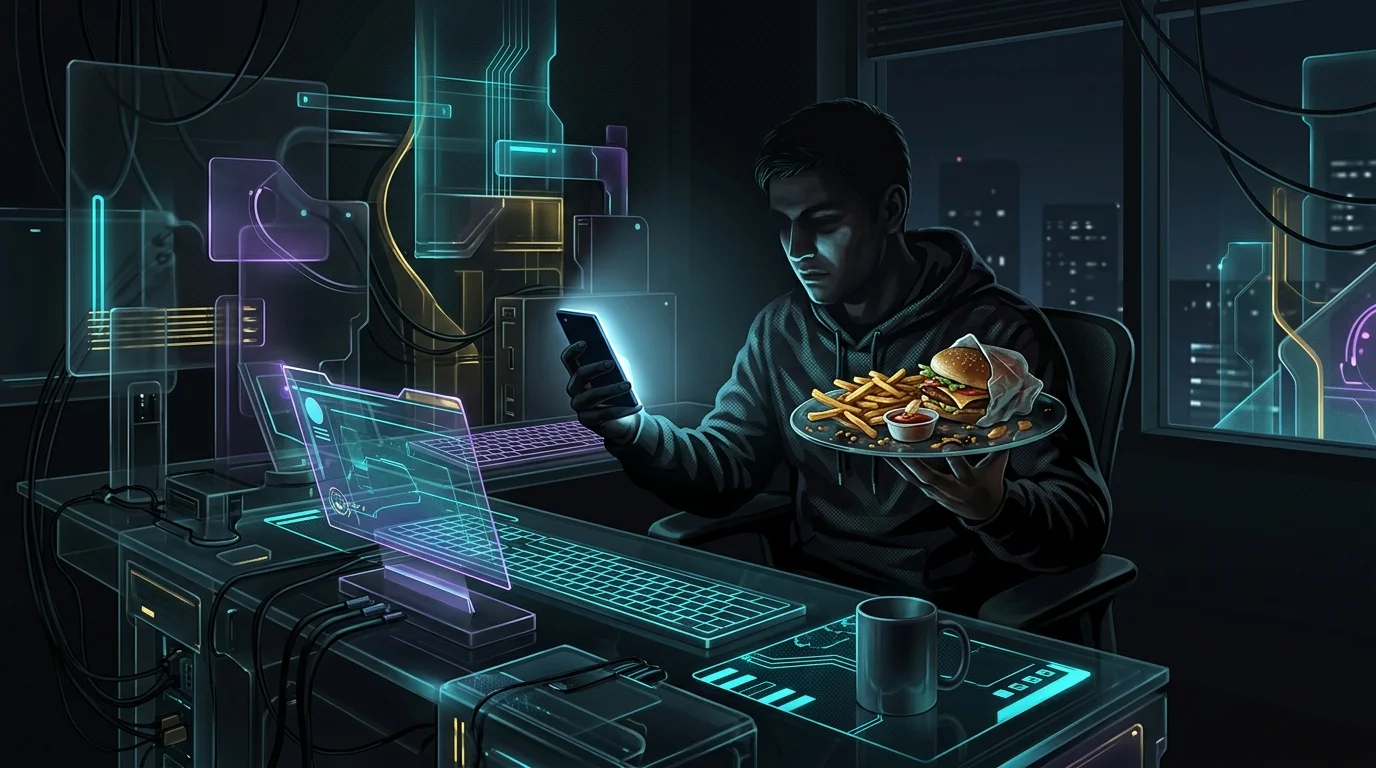
Genetic wiring is not a free pass to ignore lifestyle. Large cohort analyses show that definite evening chronotypes have a significantly higher prevalence of poor cardiovascular health scores, and higher risk of heart attacks or strokes, when they pair late nights with unhealthy habits.
Here’s the critical detail: most of that extra risk is explained by factors you control. Sleep duration and quality, diet, smoking, physical activity, weight, blood pressure, and blood sugar. Your chronotype is the starting line, not your fate.
Focus on LE8 behaviors you can tighten as a night owl
- Sleep: Commit to your 7-9 hour window, not revenge scrolling.
- Diet: Stop stacking heavy, sugary meals late at night.
- Activity: Use late-afternoon and early-evening movement instead of extra caffeine.
- Smoking / alcohol: Cut nicotine and heavy drinks in the 3-4 hours before bed.
Tough love from us: if you’re a night owl who eats late, rarely moves, and sleeps 5 hours, your genes aren’t your problem, your habits are.
Did You Know?
About 74% of the extra cardiovascular disease risk in evening chronotypes is explained by lifestyle factors like sleep, diet, smoking, and activity, which means targeted behavior changes can wipe out most of that added danger.
Source: JOve Visualized summary of UK Biobank chronotype study
5. Meal Timing for Night Owls: Stop Eating Like It’s 5 p.m. at 11 p.m.
Late-night heavy eating is one of the fastest ways for night owls to grow their waistline and wreck their sleep. Cohort data links bedtimes between roughly 2 a.m. and 6 a.m. with a 35-38% higher obesity risk when late sleep is paired with late calories. Your digestive system also runs on a clock, and it does not like massive workloads at midnight.
Good sleep hygiene means training your meals, not just your mattress. That’s exactly why we build nutrition timing into our recommendations for evening chronotypes.
Night owl meal timing rules
- Make your largest meal earlier in the day, lunch or early dinner.
- Set a “food curfew” at least 3 hours before your bedtime, if you sleep at 1 a.m., aim to finish eating by 10 p.m.
- Choose light, protein-rich snacks if you absolutely need something in the last 2 hours, such as Greek yogurt or a small handful of nuts.
How nutrition planning tools help you stick to this
Our Thrive X Fitness platform includes nutrition and meal plan features that can be aligned with your later schedule, so your macros and meal timing actually match when you’re awake and hungry. When technology handles the planning, you remove the guesswork and stop making those “it’s midnight, what do I eat?” panic choices.
6. Exercise Timing That Improves Sleep Instead of Wrecking It
Exercise is one of the strongest levers you have for better sleep and better metabolic health, but timing matters. Many night owls push workouts late at night, then wonder why they feel revved up at 1:30 a.m. That’s not a mystery; that’s physiology.
We guide clients to schedule most moderate to vigorous activity in the late afternoon or early evening, not in the final hour before bed. That timing improves sleep quality without raising your core temperature and heart rate right before you lie down.
How our fitness tools serve night owls
On Thrive X Fitness App we use AI to generate workout plans that respect your available windows, instead of pretending you live in a 5 a.m. gym culture. You choose late-afternoon or early-evening blocks, and the system builds around them so your sleep routine stays intact.
Night owl workout rules of thumb
- Finish intense workouts at least 2-3 hours before your target bedtime.
- Use light stretching or slow yoga in the last hour if you want to move closer to sleep.
- Prioritize consistency, 20-30 minutes most days beats rare 2-hour extremes every time.
7. Build a Wind-Down Ritual That Actually Calms Your Brain
Your brain doesn’t flip from “work chaos” to “deep sleep” like a light switch. Night owls often spend their most creative and focused hours late, which is great for productivity but terrible if you slam a laptop shut at 12:45 a.m. and expect immediate rest.
We coach clients to build a 30-60 minute shutdown routine repeated every night, so your nervous system learns that these cues mean “we are landing this plane.” This is sleep hygiene in action, not theory.
Sample night owl wind-down routine
- Turn off work apps and notifications at a fixed time.
- Switch lighting to warm, dim lamps.
- Spend 10-15 minutes on light stretching or breathing exercises.
- Journal or plan tomorrow in 5 minutes to offload worries.
- Read paper or e-ink, not endless social feeds.
Using natural remedies responsibly
Within our Thrive X ecosystem we include natural remedies education covering evidence-based approaches like magnesium-rich foods, herbal teas, and relaxation practices that may support sleep. These are tools, not magic fixes, and never a substitute for medical care if you have a diagnosed sleep disorder.
Did You Know?
Night owls have about a 72% higher risk of developing diabetes and are roughly 54% more likely to have an unhealthy lifestyle compared with morning types, which makes disciplined evening routines and sleep hygiene non-negotiable.
Source: EurekAlert! summary of Annals of Internal Medicine study
8. Caffeine, Alcohol, and Screens: Hard Rules for Real Sleep
Being a night owl is not a free license to abuse stimulants and sedatives. We still see the same vicious loop: heavy caffeine to power through mornings, energy drinks in the afternoon, then alcohol or late-night streaming to “relax” and sleep. If that’s you, your problem isn’t your chronotype, it’s chemistry.
Sleep hygiene for night owls needs strict boundaries here.
Caffeine cut-off for evening types
- Stop caffeine 8-10 hours before your target bedtime, not your current bedtime.
- If you sleep at 1 a.m., make your last coffee around 3-5 p.m. at the latest.
- Watch hidden caffeine in pre-workouts, sodas, and “energy” teas.
Alcohol and late-night content
- Don’t rely on alcohol as a sleep aid, it fragments sleep and reduces deep stages.
- Aim for at least 3 hours between your last drink and bedtime if you drink at all.
- Choose calmer, shorter screen content in the last hour, or switch to audio only.
9. How AI Can Handle the Planning You Keep Skipping
Trying to manage sleep, workouts, food, and stress in your head while juggling work and family is a recipe for burnout. Our approach is simple: offload the planning to smart systems so you can focus on execution.
We built the Thrive X Fitness ecosystem as an AI bridge between your fitness, nutrition, and daily rhythm, including natural remedies and wellness tools that support sleep quality.
What this looks like for a night owl in practice
- AI workout plans slotted into late-afternoon or early-evening blocks, not early mornings you’ll skip.
- Meal planning that lines up with your awake hours so your last meal fits your food curfew.
- Education on natural, evidence-based ways to support relaxation and sleep that fit your life instead of random hacks from social media.
Accountability beats willpower
Dedication is not a matter of time, it’s a matter of priority. When you let a structured system handle the details and you commit to the schedule, you stop negotiating with yourself at midnight and start acting like your future health actually matters.
10. When to See a Professional Instead of Just “Fixing Your Routine”
Sleep hygiene is powerful, but it’s not a cure-all. We still see people masking serious conditions behind “I’m just a night owl.”
If you have loud snoring, breathing pauses, gasping, severe daytime sleepiness, depression, or you’re awake for hours no matter how clean your routine is, it’s time to involve a healthcare professional. Our own health disclaimer is clear: our guidance is educational, not medical advice.
Red flags that need doctor-level help
- You regularly sleep less than 5 hours despite trying to extend it.
- You have micro-sleeps while driving or working.
- Your partner notices breathing issues or extreme restlessness at night.
- You rely on increasing doses of sleep medication or alcohol to fall asleep.
How to combine medical care with night owl hygiene
Get evaluated, follow your clinician’s plan, then use the habits in this guide as a support structure. That’s how you stack the deck: medical treatment for the underlying issue, lifestyle design for everything you can still control.
Running Your Wiring at the Highest Level Possible
If you’re a genetic night owl, your job isn’t to become someone else, it’s to run your own wiring as well as possible. That means protecting a 7-9 hour sleep window, owning your light and meal timing, training on a schedule you’ll actually follow, and treating caffeine, alcohol, and screens with respect, not denial.
At ThriveXdna we see every day how small, consistent changes add up for evening chronotypes: better mornings, more stable energy, and lower long-term health risk. Make the time or make an excuse, your future self will live with the result of what you do tonight.
Related guides
- more on Foods That Help You Sleep: What to Eat (and Skip) at Dinner
- more on Best AI Sleep Apps for Shift Workers in
- more on Is the Eight Sleep Pod Worth It in 2026?
- more on Post Workout Meal Guide: What to Eat After Training (and When)
- DNA Workout Blueprint: How To Choose Muscle Growth Workouts Based On Y
- Source: NIA’s six healthy sleep habits for better rest
- Source: eating and diet guidance for gas
- Source: MedlinePlus overview of healthy sleep practices
Frequently Asked Questions
Is being a night owl really genetic, or am I just lazy?
It is not laziness. Chronotype research shows your internal clock, light sensitivity, and sleep timing are partly inherited. As an evening type, your melatonin signal rises later and your alertness peaks later, so a 10 p.m. bedtime often leaves you staring at the ceiling. Blaming yourself for staying up is scientifically unfair. The smarter move is to build a routine that respects your later rhythm while still protecting your heart, metabolism, and brain.
If I keep a late schedule, how do I stop drifting even later every week?
Use light as your anchor. Within about an hour of waking, get ten to twenty minutes of outdoor light, even on a cloudy day, and skip sunglasses for that short window unless you medically need them. In the evening, switch to warm, dim lights a couple of hours before your target bedtime and treat the last hour like a cave. This daytime and nighttime contrast keeps your clock from sliding deeper into the night.
What time should I stop drinking coffee if I sleep after midnight?
Count back from your target bedtime, not your current one. The article suggests cutting caffeine eight to ten hours before you plan to sleep, so if you go to bed at 1 a.m., your last coffee should land around 3 to 5 p.m. at the latest. Watch hidden sources too, including pre-workouts, sodas, and energy teas. Treating stimulants with respect rather than denial is part of real sleep hygiene for evening types.
When should I eat my last meal so late nights don’t wreck my sleep?
Set a food curfew at least three hours before bed. If you sleep at 1 a.m., aim to finish eating by around 10 p.m., and make your largest meal earlier in the day at lunch or early dinner. If you genuinely need something in the final couple of hours, keep it light and protein-rich, like Greek yogurt or a small handful of nuts. Your digestive system runs on a clock and does not like heavy work at midnight.
Can I work out at night, or does that ruin sleep too?
You can train and still sleep well, but timing matters. The guide recommends finishing intense workouts at least two to three hours before your target bedtime, and slotting most moderate to vigorous activity into the late afternoon or early evening. That avoids raising your core temperature and heart rate right before you lie down. If you want to move closer to bed, keep it to light stretching or slow yoga. Consistent shorter sessions beat rare extreme ones.
When is my sleep problem something a doctor needs to look at?
Good habits are powerful but not a cure-all, and some people hide real conditions behind “I’m just a night owl.” See a healthcare professional if you have loud snoring, breathing pauses, gasping, severe daytime sleepiness, depression, micro-sleeps while driving, or you stay awake for hours no matter how clean your routine is. Get evaluated, follow your clinician’s plan, then use these habits as a support structure. The guidance here is educational, not medical advice.