
You finish a hard session, shower, drive home, and then the honest question shows up: what do you actually eat right now? Not a supplement label promise, not a shake recipe from a stranger online, just a plain answer for what belongs on a plate. A post workout meal doesn’t have to be complicated, but most people either skip it entirely or grab whatever’s closest, and closest is usually a granola bar loaded with corn syrup or a drive-thru combo that undoes half the work you just put in.
The confusion isn’t really about willpower. Nobody ever explained what this meal is supposed to do. Recovery isn’t just replacing calories you burned, it’s giving your body specific raw materials, protein, carbohydrate, fluid, to repair muscle tissue and refill what training used up. Get that part right and the rest of your training plan actually pays off. Get it wrong for months and you’re training hard while quietly working against yourself.
Our own search data shows people look for pre workout meal advice about twice as often as anything post workout, which tracks: everyone worries about fueling up before a session, almost nobody gets a straight answer about what to do after one. That gap is what this guide is for.
Key Takeaways
- Our search data shows “post workout meal” gets roughly 11,474 monthly searches and “post workout nutrition” gets about 4,441, proof that people are hunting for a plan, not a rule to follow blindly.
- The research window for muscle repair is wider than people assume: amino acid sensitivity from resistance training can stay elevated for up to 24 hours, not the 30 minutes gym folklore claims.
- A 2020 review of 65 randomized trials covering more than 2,900 adults found total daily protein intake predicts muscle growth far more than the exact timing of any single meal.
- Most exercising adults do well landing somewhere between 1.4 and 2.0 grams of protein per kilogram of bodyweight per day, spread across meals rather than crammed into one shake.
- A real post workout meal with protein, carbohydrate, and fluid still beats a processed bar or skipping entirely, because it replaces what training used, not just what it burned.
- “pre workout meal” pulls about 26,519 monthly searches compared to the post-workout side, so if you feel like nobody talks about this meal, that’s because almost nobody does.
What a Post Workout Meal Actually Needs to Include
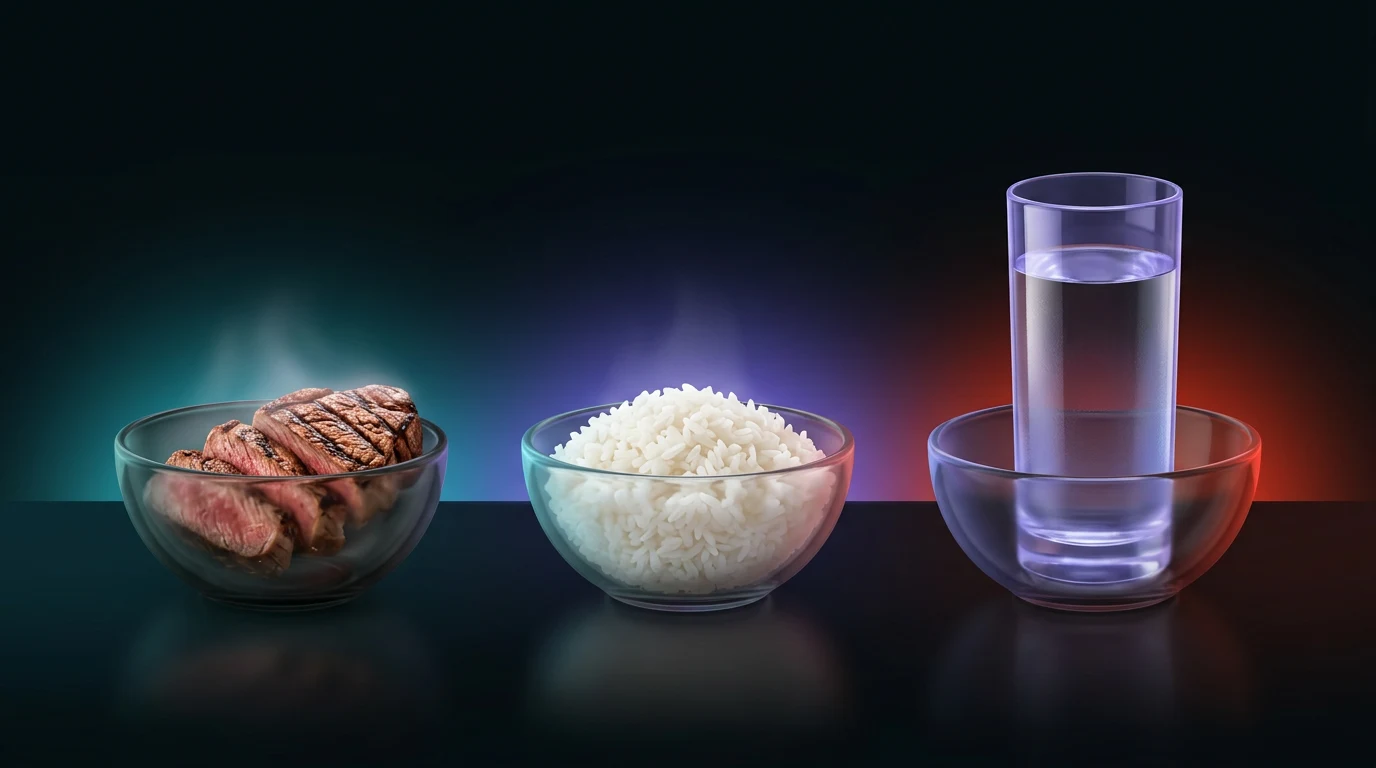
A post workout meal is any meal built around three things: a protein source your body can actually use, a carbohydrate source to help refill what training burned, and enough fluid to replace sweat loss. It doesn’t need to be a shake, and it doesn’t need to happen in the parking lot.
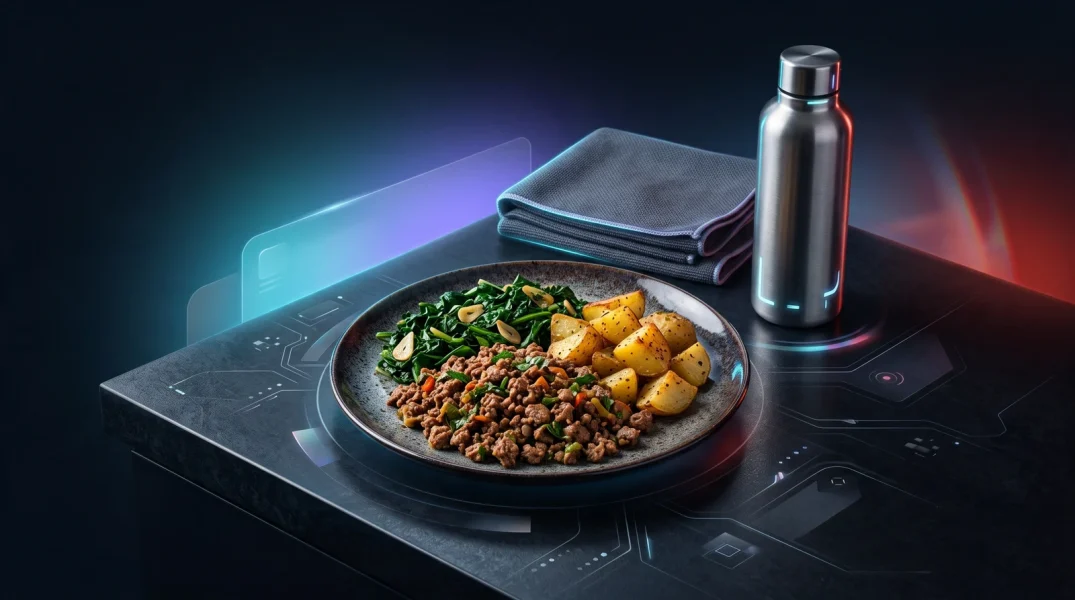
People tend to overthink the format and underthink the content. A shake feels efficient, and it can be, but a plate of ground beef, roasted potatoes, and sauteed greens does the same job and keeps you full for hours instead of forty minutes. The meal matters more than the vessel. What actually moves the needle is whether the protein and carbs show up at all, consistently, after most of the sessions where you’re training hard enough to need them.
Not every workout needs this treatment. A light 20-minute walk doesn’t create the same repair demand as a heavy squat session or a long run. Save the deliberate post workout meal for the sessions that actually broke you down: strength training, intervals, anything that leaves you sore the next day.
Why the 30-Minute Anabolic Window Is Mostly a Myth
The idea that you have a narrow 30-minute sprint to eat or lose your gains isn’t supported by the current research. Muscle stays receptive to protein for hours after training, and total daily intake matters more than hitting a specific clock. That doesn’t mean timing is irrelevant, it means the stakes are lower than the supplement industry made them sound.
The International Society of Sports Nutrition’s position stand on protein and exercise notes that the anabolic effects of a training session last at least 24 hours and taper off gradually rather than slamming shut. A separate review found the practical post-exercise window for a protein-containing meal spans roughly four to six hours, not thirty minutes. And a 2020 systematic review of 65 randomized controlled trials in nearly 3,000 adults found no extra body composition benefit from precise timing once total daily protein was held equal.
That research gap shows up in what people search for too. Our data shows “build muscle” pulls around 50,361 searches a month, “pre workout meal” pulls about 26,519, and the post-workout side sits at roughly 11,474 for “post workout meal” and 4,441 for “post workout nutrition.” People care enormously about building muscle and preparing for training, but the recovery half of that equation gets a fraction of the attention it deserves. That’s a real gap, and it’s costing people results they’d otherwise get almost for free.

How Much Protein You Actually Need (and Where to Get It)
Most people training regularly do well somewhere between 1.4 and 2.0 grams of protein per kilogram of bodyweight per day. That’s a daily total, not a single-meal target, so your post workout meal just needs to be one solid contribution toward it, not the whole job by itself.
Whole animal protein does this better than most people expect. Eggs, ground beef, chicken thighs, liver, and fish all deliver complete protein along with nutrients you don’t get from a scoop of isolate: iron, B12, choline, zinc. If you’re already eating whole foods without seed oils, wheat, or corn syrup, your post-training plate is already doing more than a processed shake ever will.
For a sense of what an animal-based, high-protein plate can look like in real numbers, one recipe from our Breakfast pack, Beef Liver & Charred Zucchini Hash with Whipped Lemon-Herb Butter & Ghee-Fried Eggs, comes in at 62 grams of protein, 16 grams of carbs, 72 grams of fat, and 940 calories in about 40 minutes total. It’s a breakfast recipe rather than a post-workout template, but it’s a useful reference point for what a full, whole-food, protein-forward plate actually looks like next to a shake.
Since a lot of training happens after work, the post-training meal for most people is dinner, not a shake squeezed into a locker room. If you’d rather not build that meal from scratch every night, the Dinner pack in the ThriveXDNA recipe packs has 35 animal-based recipes built on the same rules: no seed oil, no wheat, no corn syrup. And if you want the whole plan built around your actual training schedule instead of piecing it together meal by meal, you can get your personalized plan in the ThriveX App.
Carbs, Fat, and Building a Repeatable Post Workout Meal
Carbohydrate after training helps refill muscle glycogen, the fuel store your muscles draw down during hard sessions. You don’t need a huge amount, a serving of potatoes, rice, or fruit alongside your protein is enough for most people training a few times a week, not the mountain of pasta gym culture used to prescribe.
Fat gets a bad reputation in this specific meal because people worry it slows digestion, and in a large dose it can. But a normal amount of fat from eggs, butter, or olive oil in your post-training plate isn’t going to blunt recovery in any way that matters for someone training for health and strength rather than competing on stage. The bigger risk is the opposite mistake: eating a fat-free, protein-only meal that leaves you hungry an hour later and reaching for whatever’s in the pantry.
The meal that actually gets repeated is the one that’s simple enough to make on a tired night. Ground meat and roasted vegetables. Eggs and potatoes. A rotisserie chicken and rice. Sophistication loses to consistency here every single time.
When to Actually Eat It: Timing That Fits Real Life
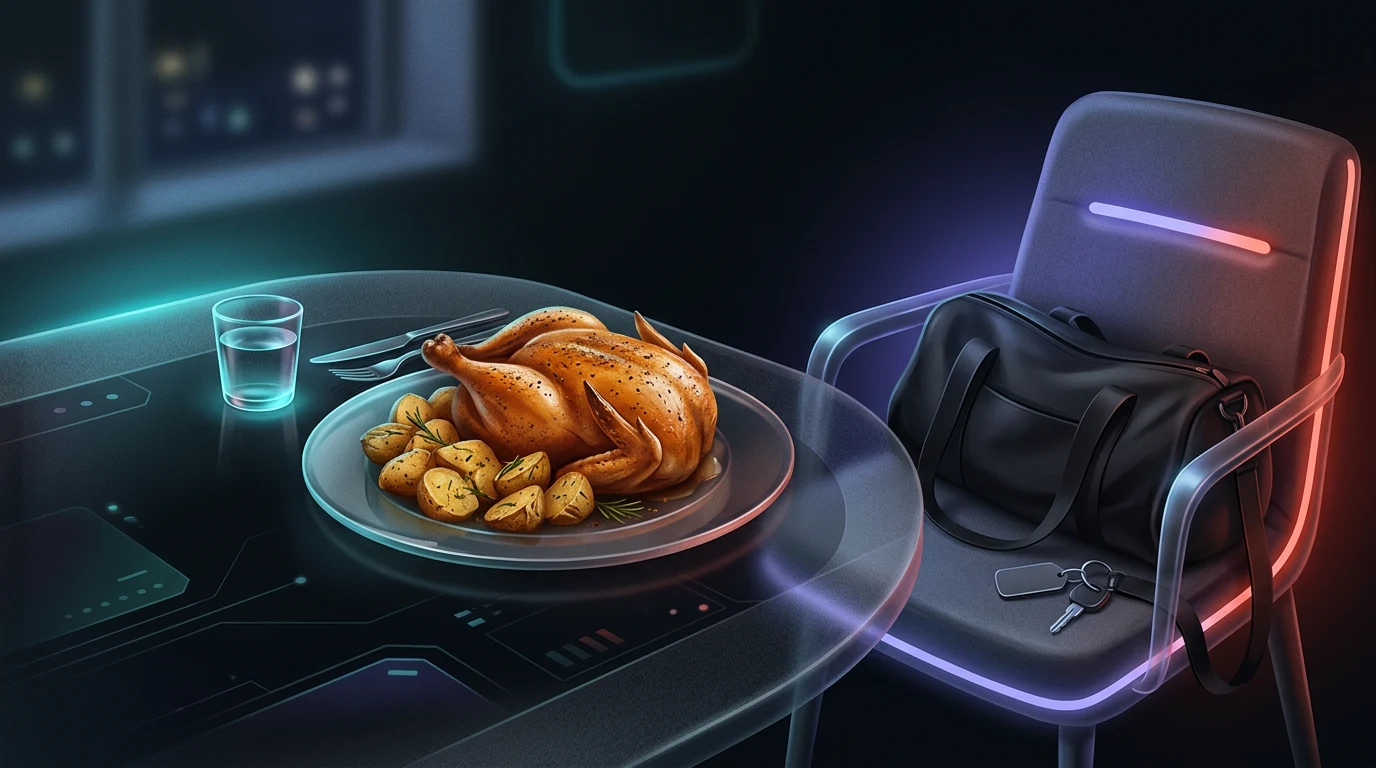
Eat your post workout meal within a few hours of finishing, whenever that realistically fits your schedule. If you train at 6am, that might mean breakfast right after. If you train after work, dinner is your post-workout meal, and there’s nothing wrong with that being the only “recovery meal” you eat all day.
How your body actually handles that timing depends on more than the clock. If you’re not sure whether you’re recovering well between sessions in the first place, our piece on how the readiness metric stops you from training blind is worth reading alongside this, since a post workout meal only helps if you’re not also training through unrecovered fatigue. And because people respond differently to the same training and nutrition inputs, our DNA Workout Blueprint covers why your training style, and by extension your recovery needs, isn’t identical to your training partner’s.
If you’re chasing a perfect 27-minute post-workout window while ignoring your sleep, your stress, and whether you’re overtraining for the sake of a personal record, you’re solving the wrong problem. Our article on Longevity Training vs Peak Performance: Why Chasing PRs Is Sabotaging gets into exactly why chasing precision on the small stuff while ignoring the big stuff backfires over years, not weeks.
Related guides
- more on High Protein Meal Prep for Muscle Gain: The Under-Eating
- a closer look at 5 Best AI Workout Plan Generators in 2026 (and Where
- more on High-Protein Meal Prep for Weight Loss That Keeps You Full
- more on How Much Protein Do You Actually Need?
- more on Muscle Soreness Recovery: What Actually Speeds Healing After
- 20-Minute Full-Body Workout You Can Do Anywhere
- Top 5 Best AI Workout Plan Generators in 2026 That Actually Keep You C
Summary
The post workout meal doesn’t need a countdown timer or a specific shake. It needs protein, some carbohydrate, and fluid, eaten sometime in the hours after training, built from real food more often than not. Total daily protein intake matters more than hitting a narrow window, and a repeatable, simple meal beats a perfect one you only make twice. If your post-training plate has been a granola bar or nothing at all, swapping in one solid animal-based meal is a small change that compounds over months of training.
Frequently Asked Questions
Do I have to eat within 30 minutes of finishing a workout?
No. Research on nutrient timing shows the practical window for a post-workout meal spans several hours, and muscle stays receptive to protein well beyond that. Eating within roughly two hours is a reasonable target for most people, but missing the 30-minute mark changes very little.
What if I train fasted or don’t feel hungry after training?
That’s fine. Since total daily protein matters more than any single meal’s timing, you can eat your first meal of the day once your appetite shows up and still get the same benefit, as long as you’re hitting your protein target across the rest of the day.
Is a protein shake enough, or do I need a full meal?
A shake works fine if it’s convenient for you, but it’s not required and it’s not superior to real food. A shake alone also tends to leave people hungry within an hour, which is when the processed snack usually shows up. A full meal with protein, carbs, and some fat keeps you satisfied longer and delivers nutrients a shake doesn’t.
What should a post workout meal look like if I train in the evening?
For most people who train after work, dinner is the post-workout meal. Build it around a protein source like beef, chicken, or fish, a modest carbohydrate side like rice or potatoes, and vegetables. There’s no need for a separate shake on top of a normal dinner unless your total daily protein is falling short.
Can I use the same meal before and after training?
Yes, with one adjustment. Pre-workout meals generally work better lighter on fat and fiber so digestion doesn’t compete with training, while post-workout meals can carry more fat and volume since you’re not about to move hard right after eating. The same core ingredients, just a different portion and prep.